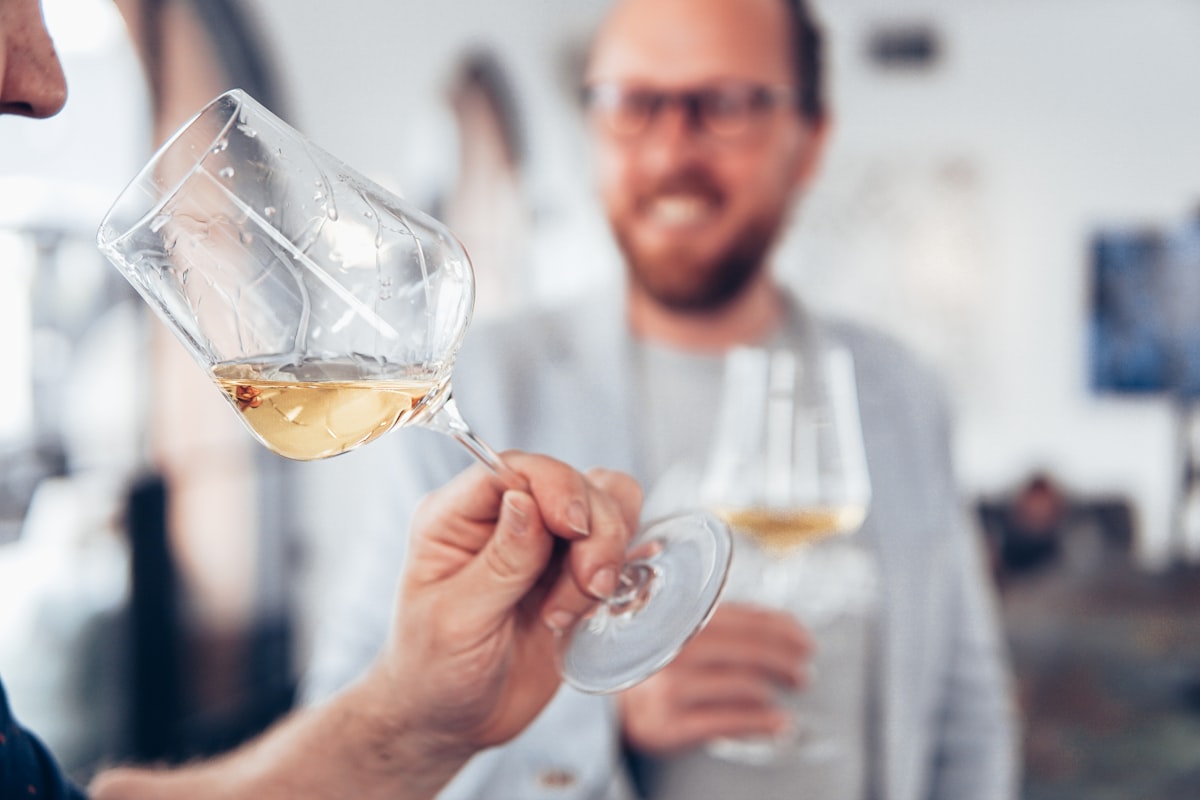
Combining three tasting room experience systems — sensory coherence, visitor journey mapping, and engineered memorable moments — produced $388K in combined annual revenue impact in a documented winery case study. Each system works independently, but they compound when layered: sensory design sets the premium context, journey mapping removes friction and increases conversion, and memorable moments generate the referrals that reduce acquisition cost. The combined $388K result reflects increased tasting room conversion, higher average order value, and measurable referral-driven new member acquisition — all without increasing foot traffic.
Two tasting rooms. Identical wine quality. A substantial annual revenue difference.
What separated them was not vineyard management, winemaking skill, or marketing budget. It was systematic experience design.
One tasting room faced a challenge many premium wineries eventually confront: guests enjoyed the wines, said “nice experience,” but conversion remained stuck at a low level and few became members. The wines were exceptional. The facility was beautiful. Staff were friendly and knowledgeable. But something prevented guests from converting at rates the wine quality deserved.
The Experience Design Blindness
They assumed conversion reflected market conditions: “Maybe people are not joining clubs anymore.” “Maybe we need better marketing.” They focused on external factors while the problem was environmental.
A hospitality consultant delivered the uncomfortable truth: “Your wines deserve better than this environment. The 5000K LED lighting makes this space feel like a medical office. Music volume prevents comfortable conversation. Guests look confused upon arrival. Staff rush through tastings following a script. Departures feel transactional. Every detail either supports or undermines premium positioning. Right now, they undermine.”
The Three Experience Design Systems
System 1: Sensory Architecture ($8,500 investment, meaningful revenue impact)
Replaced cool 5000K LEDs with warm 2700K lighting ($600). Installed essential oil diffusers with subtle oak notes ($240 plus $35/month). Curated instrumental jazz at 60-65 decibels (free). Upgraded to Riedel glassware ($1,800 for 100 glasses). Added acoustic panels ($2,400). HVAC optimization for consistent 70 degrees ($3,500). Results: conversion rose meaningfully, atmosphere review mentions climbed sharply, average visit duration increased, with meaningful additional annual revenue.
System 2: Journey Mapping ($0 investment, meaningful revenue impact)
Added parking signage ($85) and entrance welcome sign ($120). Trained staff to greet within 30 seconds. Simplified tasting option explanation. Implemented pacing matched to guest energy. Created preference-based purchase recommendations and personal departure protocol. Results: conversion rose meaningfully, “felt rushed” complaints dropped sharply, “confused about options” feedback dropped sharply, membership retention improved, with meaningful additional annual revenue.
System 3: Memorable Moments ($2,400 annual cost, meaningful revenue impact)
Winemaker scheduled to walk through at 2pm and 4pm on Saturdays. Library wine pours for engaged guests ($6 cost, massive perception value). Handwritten thank-you notes in first shipment. Staff empowered with a $30 budget to create spontaneous moments. Results: referral rate rose sharply, social media mentions rose sharply, “best experience ever” reviews rose, return visit rate rose substantially, lifetime value per guest increased, with meaningful additional annual revenue.
The Combined Impact
- Total annual revenue increase: substantial.
- Total investment: $11,105.
Same wines. Same facility. Same staff (with training). Dramatically different revenue through intentional experience design.
Which Growth Strategy Matches Your Winery’s Natural Advantages?
The approach that generated these results for hospitality-focused wineries might not be optimal for your operation. Maybe you are naturally better at digital sophistication (Prestige Trailblazer), building deep community (Loyalty Sommelier), or balancing heritage with innovation (Legacy Innovator).
Take this 3-minute quiz to discover your Winery Sales Growth Archetype and unlock your path to sustainable growth that aligns with your operational DNA.
P.S. The experience design element with the fastest payback: lighting temperature replacement from cool LEDs to warm 2700-3000K bulbs. Cost: $600 for complete tasting room replacement. Impact: guests immediately commented “Did you renovate? It feels completely different.” Conversion rose from lighting alone. Change the bulbs.
