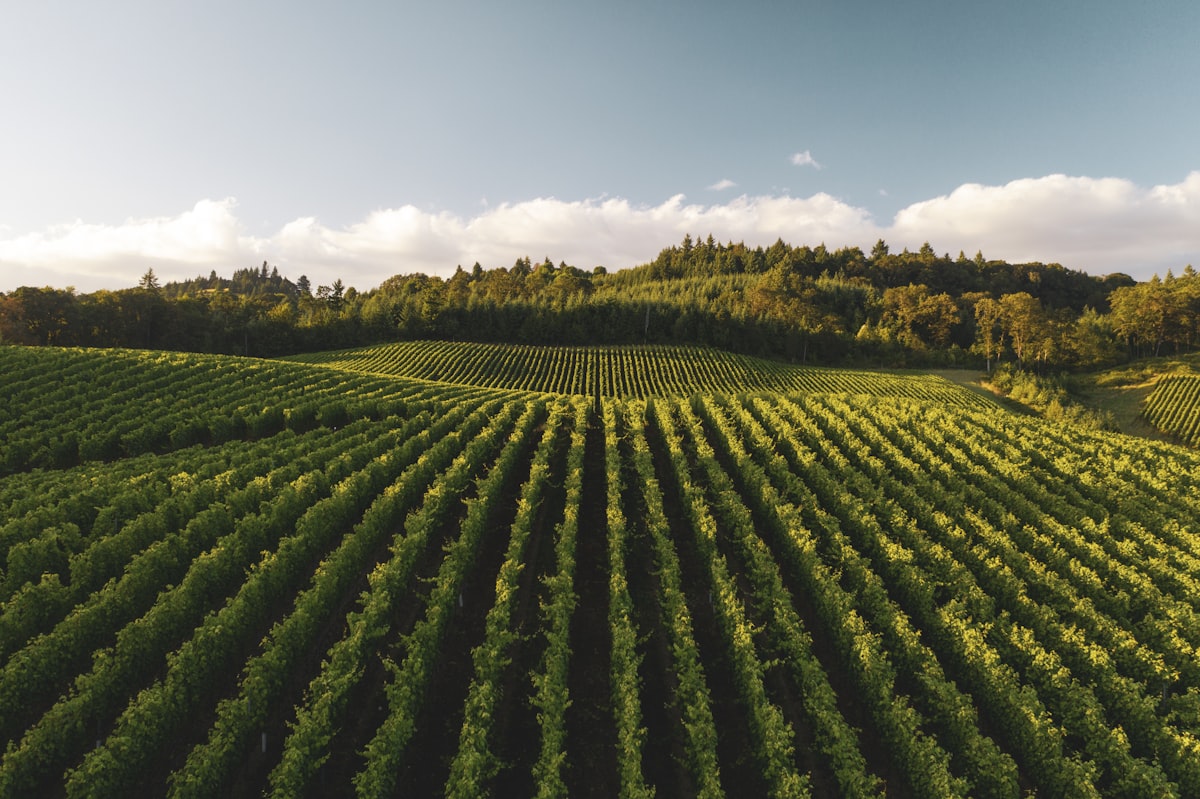
Most legacy wineries already practice sustainable farming — cover cropping, water conservation, minimal intervention — but fail to communicate it, leaving a significant competitive and marketing advantage unclaimed. For Legacy Innovator wineries, sustainability is not a new initiative to adopt but an existing practice to articulate. Buyers — particularly those under 45 — actively seek verifiable sustainability practices when choosing wine clubs, and they pay premiums for them. The advantage legacy wineries hold is that their land stewardship practices often predate modern certification by decades, giving them an authenticity story that newer “sustainability-first” producers cannot replicate.
Here’s what I see happening in family wineries:
Your grandfather stopped using synthetic pesticides in 1968. Not because “sustainability” was trending. Because he wanted his grandchildren to work this land.
Your family dry-farmed through every drought. Not to market water conservation. Because that’s how you farm in a region with 18 inches of annual rainfall.
You’ve composted for three generations. Because buying fertilizer didn’t make economic sense when you could close the nutrient loop with vineyard waste.
Meanwhile, wineries founded in 2018 spend significantly on organic certification and position themselves as environmental leaders. They get the press. The shelf placement. The millennial buyers willing to pay a premium for “sustainably produced” wine.
You’ve been doing this for 75 years. But you’re not talking about it in language that 2026 wine buyers understand.
That gap between what you do and how you communicate it costs you meaningful conversions among environmentally conscious buyers each year. Legacy Innovator wineries that properly position heritage sustainability see meaningfully higher conversion in this segment—without changing a single vineyard practice.
The Heritage Sustainability Framework
This isn’t about getting certified (though certification helps some buyers). It’s about translating generational stewardship into modern environmental language while maintaining the authenticity that only time creates.
Foundation: Build the Stewardship Timeline
Document your environmental practices decade by decade. Specific years create credibility that generic statements cannot match.
“We’re committed to water conservation” lands flat.
“We’ve dry-farmed 48 acres since 1952, producing wine through six major droughts without supplemental irrigation” creates instant credibility.
Start with a simple timeline:
- What did your grandfather/founder do in the 1950s-60s?
- What practices did your father/second generation maintain or improve?
- What have you preserved or enhanced?
Look for the practices you maintained because they worked, not because they were “sustainable.” That’s where the authentic story lives.
Pillar 1: Translate Legacy Practices to Modern Terms
Your parents and grandparents didn’t use the word “sustainability.” They used words like “stewardship,” “conservation,” and “makes sense for the long term.”
Translation work:
- “We’ve never irrigated” → “75 years of dry-farming in a region receiving 18 inches of annual rainfall; zero dependence on external water resources.”
- “Dad always composted” → “Closed-loop nutrient cycling since 1963; zero synthetic fertilizers; soil organic matter has improved measurably over generations.”
- “Family recipe” → “Low-intervention winemaking; ambient yeast fermentation for three generations; minimal additions preserve terroir expression.”
Add specific metrics:
- Acres preserved.
- Tons of CO2 are sequestered annually.
- Gallons of water conserved.
- Percentage of estate fruit versus purchased.
- Wildlife species documented on the property.
Numbers create proof. “We farm sustainably” claims nothing. “We’ve sequestered significant amounts of CO2 through 75 years of dry-farming and permanent cover crops” demonstrates impact.
Pillar 2: The Continuity Narrative
Position sustainability not as a marketing initiative but as a generational obligation.
“We’re not trying to save the planet. We’re trying to hand this land to the fourth generation in better condition than we received it.”
This reframes environmental stewardship as family responsibility rather than virtue signaling—which resonates powerfully with older consumers (roughly 60+) who drive the majority of premium DtC purchases.
These buyers remember when “organic” meant hippie communes. They’re skeptical of overnight environmental converts. But a family farming the same land for 75 years without depleting it? That they trust.
The continuity narrative works because it’s falsifiable. Anyone can claim environmental values. Only time proves you’ve lived them.
Example positioning: “This vineyard has supported four generations of our family. The fifth generation (our grandchildren, ages 3 and 6) already spends weekends in these rows. Every decision we make—from cover crop selection to harvest timing—considers whether these vines will be healthier for them than they were for us.”
Pillar 3: Longevity as Certification
Your real certification isn’t from a third-party agency. It’s 75 years of continuous farming the same land.
“Other wineries get certified organic. We’ve been doing this since before certification existed.”
Document visible proof:
- Century-old vines still producing premium fruit.
- Soil health improvements (organic matter, nutrient density, water retention).
- Wildlife populations (species counts, nesting pairs, biodiversity indices).
- Water table stability despite regional depletion.
- Third and fourth-generation family members are actively farming.
Historical photos create powerful proof. Side-by-side images: your grandfather pruning in 1968, you pruning the same block today, same healthy vines. That visual communicates multi-generational stewardship better than any certification badge.
Implementation: Three-Tier Message Architecture
Deploy heritage sustainability across three levels, each serving different buying journey stages:
Tier 1: Website and Tasting Room (Deep Storytelling)
Full timeline with historical photos, soil test comparisons across decades, and family quotes about land stewardship spanning generations. This is where interested buyers dive deep.
- Interactive timeline with decade markers.
- Historical photos with current comparison shots.
- Soil health data across 30+ years.
- Wildlife documentation.
- Family philosophy statements from each generation.
Tier 2: Wine Club Communications (Ongoing Relationship)
Seasonal updates connecting current vineyard practices to historical decisions.
Monthly example: “This month’s Pinot Noir comes from Block 7, planted by [grandfather’s name] in 1968. He selected this rootstock for drought tolerance after the 1959 drought nearly destroyed Block 3. That foresight means these vines still thrive on rainfall alone, 58 years later.”
Quarterly deeper dives into specific practices: spring cover crop story, summer water management philosophy, fall harvest decisions, winter soil regeneration.
Tier 3: Sales Messaging (Point of Purchase)
Simple one-liners for labels, shelf talkers, and point-of-sale materials.
- “Sustainably farmed since 1947, certified by time.”
- “Three generations, zero synthetic inputs, one family legacy.”
- “Dry-farmed for 75 years; irrigating was never an option.”
- “Heritage stewardship: better land for the next generation.”
Results You May See
Wineries properly positioning heritage sustainability typically experience:
- Meaningfully higher conversion among millennial and Gen Z buyers actively seeking environmental alignment (winning these buyers takes deliberate effort—they currently purchase premium wine less and churn faster, so authentic storytelling is essential to earn and keep them).
- A meaningful price premium tolerance for wines marketed as “multi-generational stewardship” versus standard organic certification.
- Noticeably higher email engagement on sustainability-focused content versus generic environmental messaging.
The key differentiator: authenticity. Consumers increasingly detect performative sustainability versus genuine long-term stewardship. Your decades of practice before it became profitable create trust that new certifications alone cannot deliver.
Cost Analysis
- Creating heritage sustainability messaging: $0 (documenting existing practices).
- Annual organic certification: $2,500-8,000.
- Biodynamic certification: $8,000-15,000.
- Sustainable certification (various programs): $1,200-4,500 annually.
Your investment is the time you spent documenting what you already do. The competitive advantage: authenticity that cannot be purchased or quickly replicated.
This Week’s Action
Create your stewardship timeline. Three generations back, if possible. Document:
- Key environmental practices by decade.
- Visible land improvements.
- Family philosophy statements about the land.
- Measurable outcomes (soil health, water conservation, biodiversity).
Next week, translate five legacy practices into modern sustainability language with specific metrics.
P.S. The most powerful sustainability messaging I’ve seen came from a fourth-generation vintner who said, “My great-grandfather planted these vines in 1924. I’m not farming for next year’s harvest. I’m farming so my grandchildren can make wine here in 2084.” That clarity of purpose, farming beyond your own lifetime, is what today’s wine buyers are searching for. They just need you to articulate it in language they recognize.
