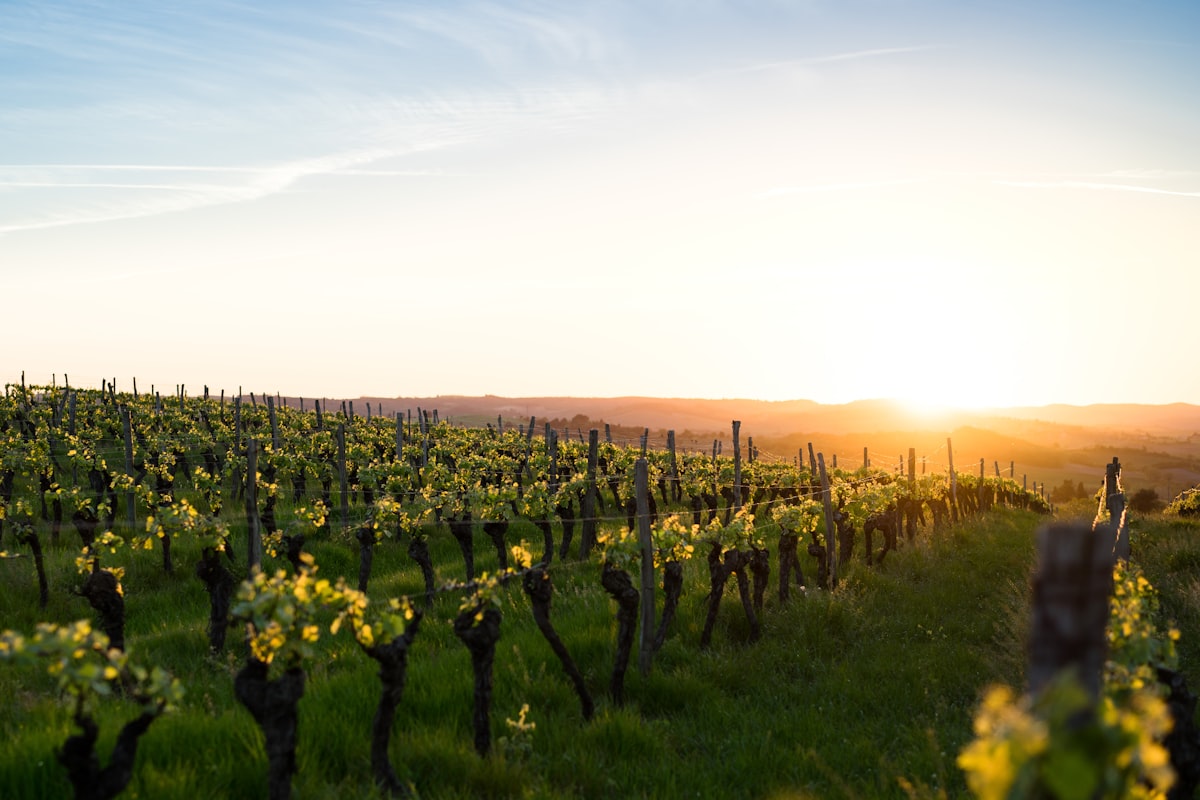
Sustainability certification benefits family wineries primarily as a retail distribution and export credential, but it can actively undermine heritage brand positioning when the certification language overwrites the winery’s deeper, more compelling generational story. Certification helps when a winery sells through wholesale channels where buyers require verifiable credentials, or when entering markets where certification is a table-stakes expectation. It hurts when: the certification marketing narrative (“we achieved X certification”) replaces the more powerful heritage narrative (“we’ve farmed this land for four generations”), making the winery sound like a sustainability convert rather than a longtime steward.
A fourth-generation vintner asked: “Should we get organic certified? We’ve farmed this way since 1956. Now everyone expects the certification.”
Here is a typical tension in heritage wineries:
You’ve been farming sustainably for 70 years. No synthetic pesticides since Kennedy was president. Every year, your father composted these vines. Dry-farmed through six major droughts.
Then in 2018, a winery founded two years earlier gets organic certification, and suddenly they’re the “environmental leaders” in wine press coverage. They’re getting shelf placement at Whole Foods. They’re charging a premium.
You’re wondering: Does my 70-year record need a certification badge to matter?
The honest answer: it depends entirely on your business model and target markets.
When Certification Strengthens Heritage Positioning
Certain business contexts make certification valuable regardless of heritage.
Export Requirements
If 20%+ of your revenue comes from European markets, certification has evolved from an advantage to a necessity. The EU’s environmental requirements increasingly mandate organic certification for premium placement. Your heritage matters, but certification enables market access.
Retail Distribution
Whole Foods, New Seasons, natural food retailers, and certain distributors mandate certification. If these channels are part of your growth strategy, certification becomes a business necessity.
But note: direct-to-consumer businesses (wine club, tasting room, website) see different dynamics. Heritage narratives convert better than certification badges for buyers purchasing direct.
Verification Advantage
Some buyers, particularly younger demographics unfamiliar with your family name, need third-party validation. “Certified organic since 2003” proves 21 years of documented, audited practices.
The certification creates falsifiable proof. Heritage claims can sound like marketing unless you’ve built a reputation over decades. If you’re newer to the market or expanding beyond regional recognition, certification accelerates trust-building.
Regional Expectations
In California and Oregon, organic certification has become a baseline expectation at certain price points ($35+). In these markets, not being certified sometimes requires explanation.
In contrast, regions like Paso Robles and the Texas Hill Country see less pressure to certify. Family reputation carries more weight than badges.
When Heritage Alone Outperforms Certification
Other business contexts make certification redundant or even counterproductive.
Direct-to-Consumer Focus
Wine club members and tasting room visitors trust generational stewardship over certification logos. They’re buying a relationship with your family, not compliance with standards.
Family wineries sought certification to improve club retention, yet retention remained flat. When asked, members said: “We already knew you farmed sustainably—that’s why we joined.”
The heritage narrative you tell through seasonal newsletters, vineyard tours, and family history resonates more with buyers purchasing direct than certification.
Premium Positioning ($50+ bottles)
At higher price points, family farming history creates more value than certification.
Buyers paying $75/bottle care more about “fifth-generation farming this exact hillside since 1947” than “certified organic since 2019.” The heritage story justifies premium pricing; certification at these tiers can actually undermine positioning by suggesting you need external validation.
Strong Regional Reputation
If your family name carries established weight locally, adding certification can appear redundant. Worse, it can read as seeking validation you don’t need: “The Smiths certified organic? Did something change? Why do they need to prove what everyone already knows?”
Pre-Certification Legacy
This creates messaging complexity: “We’ve farmed this way since 1958; we got certified in 2019.” The immediate question: Why did 61 years of authentic farming suddenly require certification?
Some wineries answer this well: “We formalized our practices to support export growth.” Others struggle to explain without sounding opportunistic.
The Cost-Benefit Analysis
Annual Costs
- Organic certification: $2,500-8,000 (varies by acreage and certifying agency).
- Biodynamic certification: $8,000-15,000 (includes Demeter fees and extensive documentation).
- Sustainable programs: $1,200-4,500 (varies by state program).
Transition Period
Organic requires a 3-year transition. You’re farming organically but can’t label as certified. This means costs without marketing benefits for 36 months.
Price Lift
Average premium for certified organic: a modest but real uplift.
Average premium for strong heritage positioning (without certification): a meaningful premium among target buyers.
The mathematics: if heritage narrative alone commands higher premiums than certification, and certification costs $8,000 annually, you’re paying for something that reduces your competitive advantage.
The Hybrid Strategy That Works
Maintain practices worthy of certification without pursuing certification.
If asked directly about certification, respond: “We farm to organic standards and have since [year]. We choose not to pursue certification because it doesn’t align with our family’s approach. We farm this way because it’s how we’ve always farmed, not because an external agency validates it.”
This accomplishes three things:
- Confirms environmental practices meet or exceed certified standards.
- Positions you as too authentic to need external validation.
- Maintains flexibility (you can always certify later if business context changes).
The Psychology Nobody Talks About
Certifications signal compliance. Heritage signals conviction.
When buyers choose between a newly-certified winery and a multi-generational family that’s farmed sustainably for decades without certification, the uncertified heritage winery often wins on perceived authenticity.
Why? Because pursuing certification only after it became marketable suggests motivation was profit, not principle.
Your family farmed sustainably before it was profitable. That’s the story that creates trust, especially among buyers increasingly skeptical of “greenwashing.”
This Month’s Decision Framework
Ask yourself:
- Does more than 15% of revenue come from channels requiring certification? (Export, certain retail)?
- Are you expanding into markets where your family name lacks an established reputation?
- Is certification becoming a baseline expectation in your region/price tier?
If yes to two or more: certification likely enhances rather than undermines heritage positioning.
If no to all three: heritage narrative alone probably outperforms certification for your business model.
The right answer depends on your specific business context—not what other wineries are doing or what consultants claim is “best practice.”
P.S. The most successful approach I’ve seen came from a third-generation vintner who said, “We farm the way my grandfather taught me. If that meets organic standards, great. If certification helps us reach buyers who value that, we’ll consider it. But we’re not changing practices to meet certification requirements. We’re 70 years past needing external validation for how we farm.” That clarity, knowing why you do what you do, independent of what the market rewards this year, is what builds lasting value.
