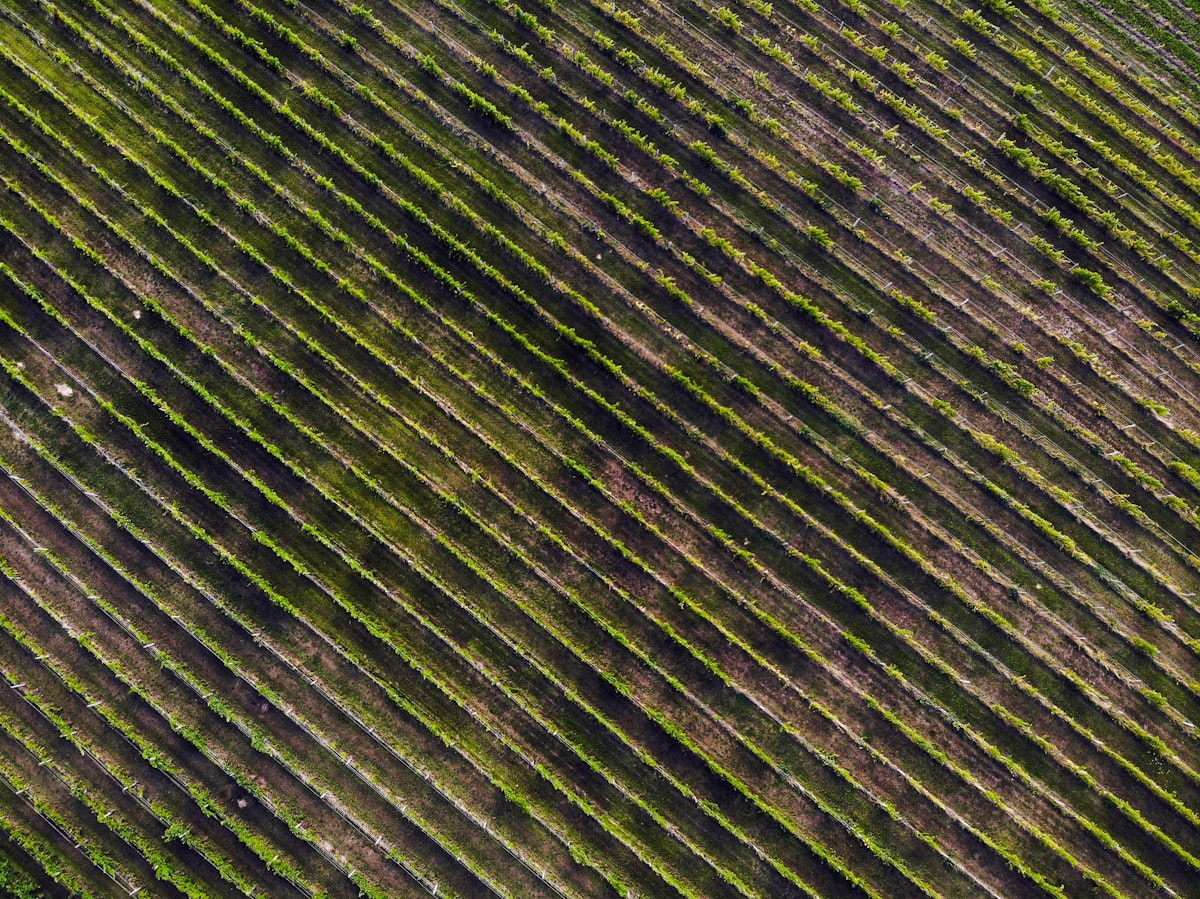
Machine learning is producing measurable operational improvements in premium winery viticulture and cellar management, with practical applications now accessible to boutique producers through commercial platforms that do not require in-house data science teams. Current deployable applications include: yield prediction from satellite and drone imagery (±8% accuracy), irrigation scheduling based on soil moisture and weather model integration, harvest timing optimization using berry chemistry forecasting, and cellar fermentation monitoring with anomaly alerts. For boutique DTC wineries, the business case rests on reduced crop loss, lower water use, and more consistent vintage quality rather than large-scale efficiency gains.
A winemaker told me last month, “I’ve made wine for 30 years. Every vintage, I make thousands of decisions based on experience, instinct, and what worked before. But I can’t remember exactly what I did in 2008 when conditions were similar, or whether that approach actually produced better wine than 2011’s different strategy.”
Human memory has limits.
Your 30 years of winemaking experience contain patterns you can’t consciously access. Correlations between decisions and outcomes that exist in your history but aren’t retrievable when you need them.
Meanwhile, machine learning can analyze every fermentation curve from the past 20 vintages in seconds, and tell you: “When temperature exceeded 82°F during days 4-6 of fermentation, final wines showed a sharply higher probability of excessive alcohol and reduced fruit aromatics.”
That pattern exists in your data. You couldn’t see it without computational analysis.
Prestige Trailblazer wineries implementing machine learning for operational decisions typically see a meaningful reduction in production costs while maintaining or improving quality through pattern recognition that humans cannot match at scale.
The Fundamental Shift
Traditional winemaking: Decisions based on experience, intuition, and current vintage observations.
ML-augmented winemaking: Decisions based on experience + intuition + computational analysis of patterns across decades of data.
You’re not replacing human judgment. You’re augmenting it with pattern recognition at scale.
Application 1: Harvest Timing Optimization
Traditional Decision Process: Walk vineyard. Taste berries. Check Brix and pH. Consider the weather forecast and decide when to pick based on the winemaker’s experience and current vintage conditions.
ML-Augmented Process: Same observations + computational analysis correlating 10-20 years of historical data: Brix/pH/TA levels at different harvest dates, weather conditions, final wine quality scores, market reception and pricing achieved, oak aging responses, bottle aging trajectories.
ML analysis of Paso Robles Cabernet across 15 vintages revealed: “When Brix hits 24.5° AND nighttime temperatures drop below 55°F for 3 consecutive nights following a heat event of 100°+ for 2+ days, wines harvested within that 72-hour window score measurably higher on average than earlier picks (underripe tannins) or later picks (excessive alcohol, cooked fruit character).”
That specific correlation—three simultaneous conditions creating an optimal harvest window—exists in the data. But human memory can’t hold 15 years of multi-variable weather patterns, Brix progression, and final quality correlations. The ML model identifies it. You verify it makes sense. You apply it to the current vintage decision.
Application 2: Fermentation Management
Traditional approach: Monitor fermentations manually. Intervene when something seems off. React to problems.
ML approach: Track fermentation curves across hundreds of batches over multiple years, identifying warning patterns like:
“When fermentation temperature spikes above 85°F during days 3-5 (primary fermentation peak), final wines show a higher probability of excessive fusel alcohols, reduced fruit aromatics in finished wine, higher volatile acidity. Optimal temperature range during this critical window: 78-82°F.”
Real-time monitoring + ML-generated alerts = prevent quality issues before they manifest.
A winery installed temperature sensors on all fermentation vessels, feeding data to an ML model trained on 8 years of fermentation history.
Results first vintage:
- Interventions triggered on a meaningful share of fermentations
- Quality issues prevented: several tanks that would have required blending down or bulk sales
- Value protected: substantial finished-wine quality preservation
- Cost of system: $18,000 (sensors + ML platform annual subscription)
- ROI: strongly positive in year one
Application 3: Blending Optimization
Traditional approach: Create trial blends. Taste. Adjust based on winemaker preference and experience.
ML approach: Analyze historical blending data across vintages—which lot combinations produced the highest-rated final blends, what percentage of Merlot maximizes structure while maintaining varietal character, how does new oak percentage affect aging trajectory.
Analysis of 12 years of Bordeaux-style blends revealed: “Blends with 72-78% Cabernet Sauvignon, 15-18% Merlot, 5-8% Cabernet Franc, and 30-35% new French oak scored measurably higher on average than blends outside these ranges. Further: Lots from Block 7 (hillside, well-drained) consistently enhanced structure. Lots from Block 3 (valley floor, richer soil) added mid-palate weight, but when exceeding 12% of the blend, introduced vegetal notes, reducing scores.”
ML surfaces the patterns. The winemaker decides if they align with the desired style. Applies insights to current vintage blending.
Application 4: Predictive Maintenance
ML approach: Track equipment performance metrics over time—pump flow rates and pressure variations, temperature control system behavior, press cycle variations, bottling line speeds—identifying early failure indicators invisible to human observation.
Example: “This pump’s flow rate has declined 8% over the past 6 months while operating temperature increased 3°F. Historical data shows pumps exhibiting this pattern fail within 30-45 days. Replace proactively.”
A winery implementing predictive maintenance ML over 3 vintages:
- Early failure predictions: several components flagged for preemptive replacement
- Actual failures if not replaced: most of those flagged (based on failure patterns)
- Downtime prevented: many hours during critical harvest window
- Cost savings: substantial (emergency repairs + lost production time + potential quality impact)
- System cost: $8,500 annually; ROI: strongly positive
Implementation Roadmap
Most wineries assume ML requires data science teams and massive infrastructure. Reality: start with one operational application.
- Month 1-2: Inventory production data from the past 5-10 vintages: harvest records, fermentation logs, blending trials, equipment maintenance history.
- Month 3: Select one application—harvest timing, fermentation management, blending optimization, or predictive maintenance.
- Month 4-5: Implement pilot with an ML platform (wine-specific tools exist, as do general platforms like Azure ML and AWS SageMaker).
- Month 6+: Apply the validated model to current vintage decisions. Measure impact. Expand to additional applications.
The Augmentation Philosophy
Critical distinction: ML doesn’t replace winemaker judgment. It reveals patterns in historical data that inform judgment.
The winemaker still decides:
- Whether identified patterns align with quality philosophy
- How to weigh ML insights versus current vintage observations
- When to override ML recommendations based on intuition or context ML can’t capture
The best implementations combine ML pattern recognition (computational strength) with human judgment (contextual understanding, aesthetic goals, risk tolerance).
This Quarter’s Action
Inventory your production data from the past 5-10 vintages.
Identify one operational decision where pattern recognition across historical data could improve outcomes or reduce costs.
Explore ML platforms designed for wine production (several exist specifically for viticulture and winemaking).
Run one pilot analysis and see what patterns emerge.
P.S. The most valuable ML implementation I’ve seen came from a vintner who analyzed 20 years of harvest data and discovered that nighttime temperature patterns 7-10 days before harvest predicted final wine quality more accurately than Brix or pH at harvest. That single insight, which would never emerge from human memory of 20 vintages, changed their entire harvest timing strategy and raised average wine scores measurably over the next 3 vintages. The patterns exist in your data. You just need computational power to surface them.
