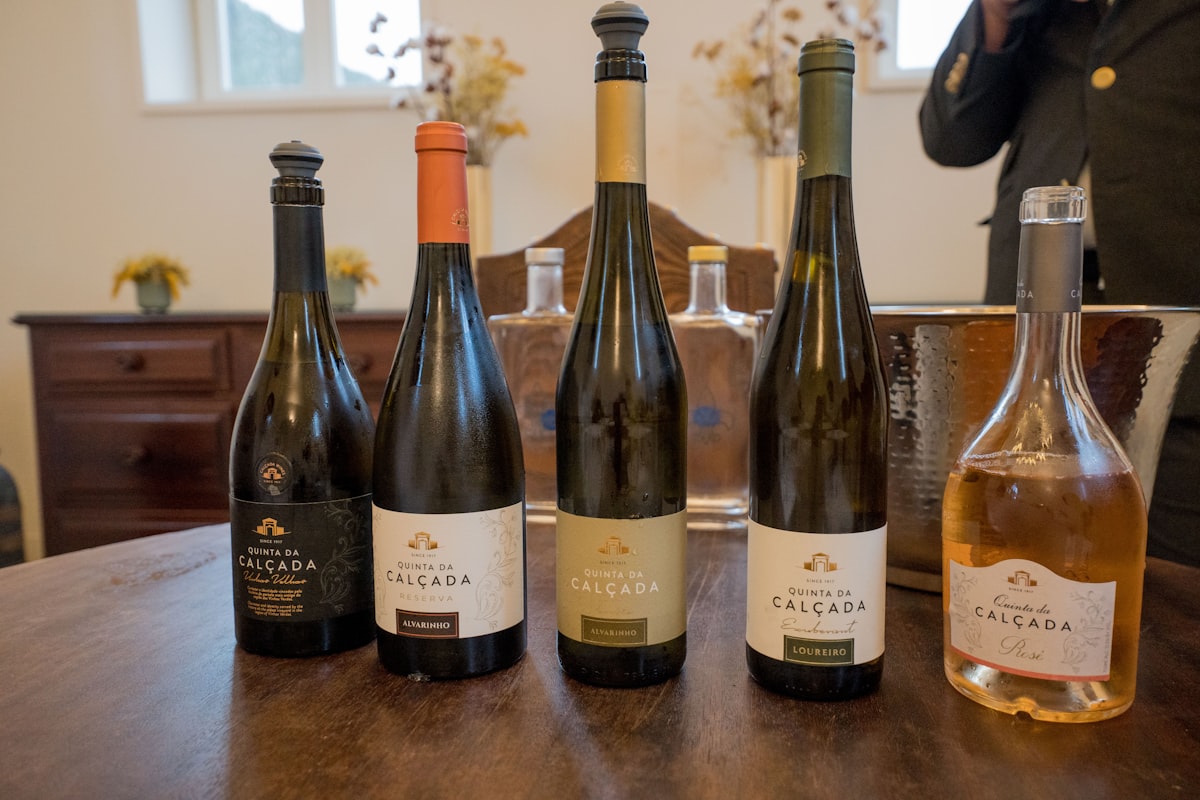
Ask one calibration question in the first minute, tag the guest as novice, enthusiast, collector, or celebration, and route them into one of three pre-built flight sequences. A fixed flight sequence paces every guest identically regardless of experience level, which bores collectors and overwhelms novices. A mid-visit checkpoint at pour three lets hosts correct a wrong initial read; documented case data shows AOV moving from $136 to $213 with a well-matched flow.
Your tasting flight has a sequence: an entry white, then two reds that build in body, then the reserve pour, then dessert, if you offer one. It was designed once, probably by whoever built your current tasting menu, for an average guest who does not actually exist. The collector who tastes forty wineries a year gets the same pacing as the guest trying a dry red for the first time, and neither gets the visit that would have worked best for them.
This is not a wine-selection problem. The wines are fine. It is a sequencing and pacing problem, and it is invisible because nobody is watching for it: a bored collector and an overwhelmed novice both disengage quietly, order less, ask fewer questions, and leave without becoming a story your staff tells afterward.
The fixed sequence is also a hidden cost for your best hosts. Your strongest staff already adapt intuitively, slowing down for a curious first-timer, speeding up for a collector who wants to get to the reserve pour. That adaptation lives entirely in their heads. When they’re off shift, or when a newer host is running the bar, the visit reverts to the fixed default, and the winery’s actual capability, matching pace to the guest, disappears with the person.
The Adaptive Path Framework
Three moves turn a fixed sequence into a responsive one, without new software.
Opening read. Train hosts to ask one calibration question in the first minute: “What do you usually drink?” or “What brought you in today?” The answer sorts almost every guest into one of four tags: novice (limited wine background, wants guidance), enthusiast (regular drinker, curious about technique), collector (serious buyer, wants depth and rarity), or celebration (occasion-driven, wants experience over education). This is a five-second read, not an interrogation, and most hosts already ask some version of this question informally; the framework just gives the answer somewhere to go.
Sequence branch. Build three pre-set flight sequences in advance, one each for novice, enthusiast/collector (often mergeable), and celebration. The novice sequence slows the pour order and adds more context per glass. The collector sequence moves faster through familiar territory and spends more time on the reserve or library pours. The celebration sequence is paced around a single peak moment, often the reserve pour, rather than an even progression. Same wines, different route through them. Writing these three sequences down, rather than leaving them as tribal knowledge in your best host’s head, is what makes the framework transferable across your whole team.
Mid-visit checkpoint. At the third pour, give hosts a deliberate go/stay decision: does the assigned sequence still fit, or was the opening read wrong? A guest who said “casual tasting” but is asking increasingly technical questions by pour two should get bumped into the enthusiast sequence. This single checkpoint is what prevents a wrong first read from ruining the whole visit; without it, hosts commit to an initial guess for 45 minutes, and a misread in minute one compounds for the entire visit instead of correcting itself.
What Adaptive Sequencing Produces
The framework does not add new wine or new staff. It reallocates the same pour order and the same host attention to match the guest actually at the bar. Wineries testing sequence variables against a single fixed default report meaningful movement in dwell time and engagement, and documented case data from a well-structured flow shows in-visit AOV moving from $136 to $213, roughly a 62% lift, when the sequence matches the guest.
The psychology is straightforward: a guest who feels the pacing was built for them stays engaged longer, asks more questions, and buys with less resistance because nothing about the visit feels designed for someone else. There is also a training benefit that outlasts any single visit. Once the three sequences are documented, a new host can deliver a matched experience in their second week, not their second year, because the adaptation that used to live only in the instincts of your most experienced staff is now a written playbook anyone can follow.
Putting It Into Practice
- Write the one calibration question your hosts will ask every guest in the first minute, and agree on the four tags together as a team.
- Map your existing wine list into three sequences: novice, enthusiast/collector, and celebration. Reuse the same wines; change only the order, pacing, and script depth.
- Train the mid-visit checkpoint explicitly: at pour three, hosts pause and confirm or adjust the sequence based on what they’ve observed.
- Shadow your strongest host for a shift and document what they already do intuitively; it likely maps closely onto the three sequences and will save you a rewrite.
- Run it for two weekends. Track average dwell time and per-visit spend against the same two weekends of the prior month with the fixed sequence.
This Week’s Action: Write the calibration question and the four tags with your tasting room team this week, and run the novice/enthusiast split on your next busy weekend, even before building the full celebration sequence.
P.S. The mid-visit checkpoint is the piece teams skip, and it’s the piece that matters most. Without it, one wrong opening read locks a guest into the wrong pacing for the rest of the visit. Train the checkpoint as its own step, not as an afterthought to the calibration question.
