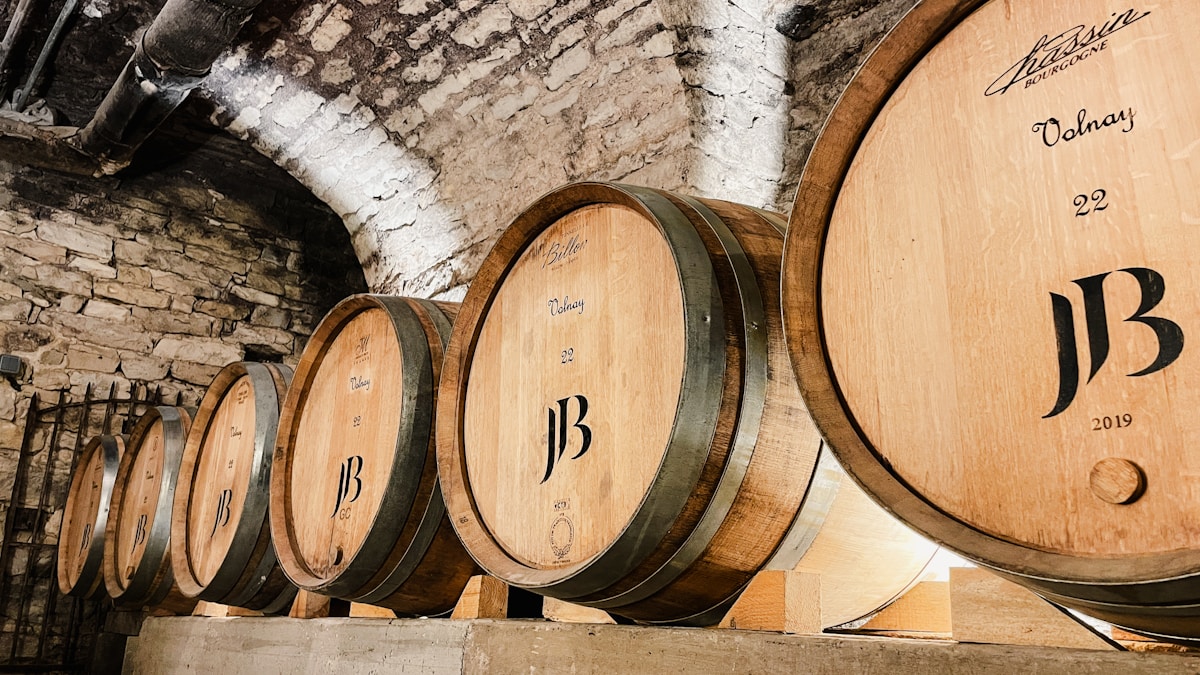
The most effective wine release formula used by boutique DTC wineries follows five sequential steps: pre-release anticipation building, member-exclusive early access, public launch with social proof, follow-up scarcity communication, and post-sellout storytelling that primes the next release. Each step serves a distinct psychological function — anticipation creates desire, early access rewards identity investment, social proof validates the decision, scarcity messaging closes fence-sitters, and post-sellout narrative builds wait-list demand. Skipping any step, especially the final one, leaves revenue and future-release enthusiasm on the table.
I spent the last quarter studying limited wine releases across boutique wineries. My goal was simple: understand what separates high-demand sellouts from disappointing launches that linger for weeks.
The findings challenged my assumptions about wine marketing.
The Surprising Discovery
The difference wasn’t wine quality, price point, or even the winery’s reputation.
It came down to how effectively each release triggered what behavioral psychologists call “anticipated regret”—the fear of missing something valuable that cannot be obtained later. Also known as FOMO (Fear Of Missing Out).
This isn’t about creating artificial scarcity or manipulating customers. It’s about communicating genuine scarcity in ways that resonate with how people make purchasing decisions.
Why I chose this approach: After analyzing numerous release campaigns, I noticed that boutique wineries with identical wine quality and pricing achieved dramatically different results. The variable wasn’t product-based; it was a matter of psychological communication.
The Five-Principle Framework
The most successful releases consistently implemented these five characteristics.
1. Clear Quantity Transparency
Instead of: “Limited quantities available.”
Use: “Only 287 bottles produced from our estate Pinot block 7.”
Reasoning: Specific numbers create a concrete sense of scarcity. For boutique wineries, your natural production limits become your advantage. Embrace them rather than hiding behind vague language.
2. Visible Allocation Diminishment
Implementation: Real-time inventory displays showing the number of bottles remaining.
Psychology: Visual depletion creates urgency more effectively than static messaging.
Boutique advantage: With smaller quantities, percentage changes appear more dramatic; for example, reducing from 287 to 200 bottles represents a noticeable 30% decrease.
3. Future Unavailability Certainty
Language: “This vintage will never be repeated—when these 287 bottles sell, this wine becomes part of our library collection only.”
Why this works: It eliminates the need to wait for a better deal or future availability. Boutique wineries can authentically claim uniqueness because each vintage truly is irreplaceable.
4. Purchase Validation
Examples:
- “Michael from Portland just reserved 3 bottles.”
- “A majority of our Founders Club members have already secured their allocation.”
Justification: Social proof reduces purchase anxiety. For boutique wineries, showing specific customer activity feels more intimate and credible than generic numbers.
5. Urgency Catalyst
Instead of: Open-ended availability.
Use: “Release window closes this Friday at 6 PM, regardless of remaining inventory.”
Reasoning: Specific timing events create action deadlines. Boutique wineries benefit from tighter windows because scarcity feels more authentic with smaller quantities.
Implementation Framework for Boutique Wineries
Timeline: 10-Day Implementation
Resources needed: Basic email platform, simple inventory tracking (spreadsheet acceptable).
Why this timeline: Boutique operations require agility over complexity. Ten days allow thorough preparation without over-engineering.
Days 1-3: Preparation Phase
Day 1: Inventory Analysis
- Calculate exact bottle counts for release
- Identify allocation segments, such as member tiers and geographic regions
- Document production story (vineyard block, barrel details, bottling date)
Day 2: System Setup
- Set up inventory tracking using Google Sheets with shared access
- Prepare email templates using the five-principle framework
- Create a simple landing page with real-time inventory display
Day 3: Team Alignment
- Brief all staff on the principles of scarcity communication
- Establish update schedules (who updates inventory when)
- Rehearse responses to customer questions about availability
Days 7-10: Execution Phase
Day 7: Launch
- Send the initial release announcement to the member list
- Update the website with the inventory counter
- Monitor response rates and adjust messaging
Days 8-9: Active Management
- Send inventory updates every 12 hours
- Share social proof (recent purchases, member comments)
- Coordinate tasting room messaging with email campaigns
Day 10: Close and Analyze
- Final urgency message
- Close the release at a predetermined time
- Analyze results against previous releases
The WISE System Application for Boutique Wineries
This framework aligns with The WISE System methodology:
- Signals: Customer urgency indicators, inventory depletion rates, member engagement patterns.
- Education: Understanding scarcity psychology within intimate customer relationships.
- Insights: Optimizing release timing based on your specific customer behavior.
- Wisdom: Creating sustainable demand strategies that enhance your boutique positioning.
Why this systematic approach for boutique wineries: Your smaller scale allows for more personal implementation of psychological principles. The WISE System helps maintain authenticity while maximizing effectiveness.
Boutique-Specific Advantages
Natural Scarcity
Your production limits create authentic scarcity. A 287-bottle release isn’t artificial—it’s reality.
Personal Relationships
Smaller customer bases allow for more intimate social proof (“John, whom you met at last month’s tasting, just secured his allocation”).
Storytelling Depth
Limited production enables detailed production stories that larger wineries can’t authentically tell.
Flexibility
Quick pivots based on real-time response without bureaucratic approval processes.
Critical Implementation Notes
Authenticity Requirements
- Scarcity must reflect actual production
- Inventory numbers must be accurate and updated
- Quality must justify the urgency
Trust is exponentially more critical for boutique wineries. Your reputation travels faster in smaller communities.
Brand Positioning Maintenance
- No discounting during scarcity campaigns
- Maintain premium language and presentation
- Focus on exclusivity rather than desperation
Boutique positioning depends on perceived value. Discount-driven urgency undermines the premium perception that justifies your pricing.
Measuring Success
Primary Metrics
- Time to sell out (target: under 48 hours)
- Average order value increases
- Concurrent membership signups
Secondary Metrics
- Social media mentions and sentiment
- Email engagement rates
- Repeat purchase behavior post-release
These metrics capture both immediate sales impact and long-term brand health. For boutique wineries, relationship metrics are just as important as revenue metrics.
Your Next Steps
Ready to transform your limited releases from disappointing to demanded?
- Audit your current release strategy against the five-principle framework.
- Implement the 10-day timeline for your next limited release.
- Test with the provided templates adapted to your brand voice.
- Measure results and refine the approach.
The psychology of anticipated regret isn’t manipulation—it’s communication. When your scarcity is authentic (which it naturally is for boutique wineries) and your quality delivers, these principles help customers understand the genuine value and urgency of your offering.
Discover how The WISE System transforms boutique winery marketing.
