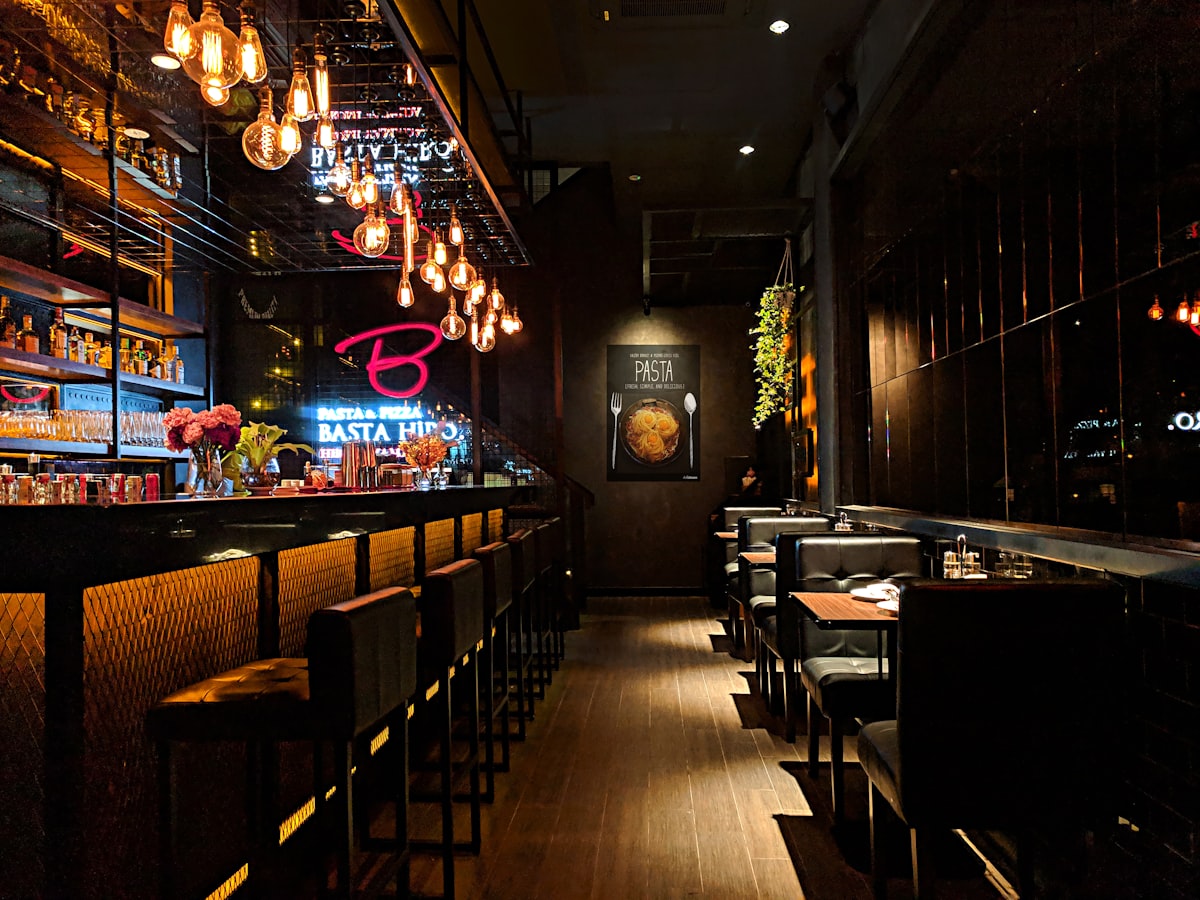
Ambient noise is the most overlooked variable in tasting room design: research on sensory-purchase psychology shows that background sound at the wrong tempo or volume measurably reduces both time-on-site and average purchase value, regardless of how refined the visual environment is. Most boutique tasting rooms invest heavily in visual design—labels, interiors, views—while playing generic background music at random volumes, unknowingly undermining the premium-experience signal they’ve built. A deliberate sound design framework covers three variables: genre coherence with brand identity, tempo matched to desired dwell time, and volume calibrated to conversation comfort.
Picture this: impeccable estate architecture, panoramic vineyard views, meticulously crafted Rhône-style blends. Every detail obsessed over.
Except one.
The playlist is pure chaos: upbeat pop during the welcome, classical during education, and dead silence during purchase decisions.
Visitors leave without buying, leaving the host confused, as everything else was perfect.
That imaginary tasting room was unconsciously sabotaging its own success through acoustic negligence.
The brutal research
Acoustic environments in high-performing tasting rooms increase time-on-site and purchase values. For experience-driven wineries, sound isn’t background decoration. It’s structural scaffolding that holds the entire guest journey together.
Most winery owners obsess over visual aesthetics and taste profiles while completely ignoring the sense that unconsciously shapes visitors’ purchasing decisions. Sound.
Virtuosos who actually understand this follow these three phases.
Phase 1: Arrival/Welcome (0-10 minutes)
Light instrumental at 65-70 dB, tempo between 80-100 BPM. Creates welcoming energy without cognitive overwhelm. Think “relaxed anticipation.” This phase sets psychological receptivity for everything that follows.
Phase 2: Education/Tasting (10-40 minutes)
Acoustic or classical at 60-65 dB, tempo drops to 60-75 BPM. Creates a focused atmosphere for wine education and sensory evaluation. This is where most tasting rooms completely fail; they keep the energy too high, and visitors can’t concentrate on the wines.
Phase 3: Decision/Purchase (40-50 minutes)
Upbeat instrumental returns at 65-70 dB, tempo climbs to 90-110 BPM. Creates positive decision-making energy without pressure. This subtle tempo increase unconsciously signals “time to act” while maintaining a sophisticated atmosphere.
For Hospitality Virtuosos, sound design isn’t optional. Your tasting room experience depends on it. While other wineries compete on visual aesthetics alone, you can dominate through complete sensory curation.
The wineries getting this right understand a fundamental truth: acoustic environments shape emotional states, emotional states drive purchasing behavior, and purchasing behavior determines revenue.
What’s playing in your tasting room right now? Is it random? Is it unconscious? Or is it strategically curated to guide visitors through phases of psychological receptivity?
Because experience-driven wineries shouldn’t leave meaningful engagement gains on the table because they forgot about the sense that shapes everything.
Sound is scaffolding. Make sure yours isn’t collapsing.
