Author: sagi

  • Stop Sending Tuesday Morning Wine Releases

    Stop Sending Tuesday Morning Wine Releases

    Tuesday morning is among the worst send times for premium wine release emails because it competes with peak inbox volume and catches recipients in a task-focused mindset rather than a discovery mindset. DTC wine purchases are aspirational decisions; they perform best when reached during low-friction leisure moments — typically Thursday evening through Saturday afternoon. Timing a release email to match your audience’s actual buying window, rather than defaulting to conventional “best day to send” advice, can meaningfully lift open rates and conversion in a single campaign cycle.

    During most Tuesday mornings of spring release season, my inbox fills with nearly identical emails from wineries announcing their new vintages. I received several more three days ago. And I’m betting yours went out on Tuesday morning, too?

    After tracking open rates, response patterns, and purchase behavior across premium wineries for the past five spring release seasons, I concluded that the data don’t support following conventional wisdom.

    The Timing Disconnect

    The standard practice says Tuesday or Wednesday morning is optimal for email sends. It seems logical to catch people early in the week, early in the day. However, consistently, across multiple years of data from premium wineries producing over 30,000+ cases annually, Thursday evening (specifically 6-8 pm local time) outperforms meaningfully for both open rates and same-day purchases.

    One premium winery client who made this one change to their spring release announcement timing saw remarkable results:

    • Open rates increased noticeably.
    • Click-through rates jumped.
    • Same-day conversions improved.

    No content changes. No offer changes. No discounts or special incentives. Just optimal timing based on actual behavior patterns rather than industry assumptions.

    Why This Works: The Club Member Mindset

    The data reveals some truth about human psychology that is worth looking at.

    Below is a breakdown I made with assumptions on why Thursday evening is the better time to send your spring release announcement emails.

    Day/Time FactorMember MindsetImpact on Purchasing
    Tuesday/Wednesday MorningWork mode, packed inbox, mentally triagingWine purchase = another task to manage later
    Thursday EveningWeekend planning begins, mental load lighteningWine purchase = weekend enjoyment, immediate action
    Friday-SundayToo late for weekend planning, competing activitiesLower urgency, higher distraction

    Thursday stands alone as the optimal day, with response time (how quickly members act after opening) significantly faster than any other day of the week.

    Almost the same analysis has revealed how members’ demographics affect the higher success ratio on Thursday evenings.

    Member SegmentOptimal DayOptimal TimeKey Insight
    Professionals 35-55Thursday7:00-8:30 PMEnd of workweek planning mode
    Retirees 60+Thursday5:30-7:00 PMEarlier dinner hour, more evening routine
    Millennials 25-35Thursday8:00-9:30 PMLater digital engagement window
    High Net WorthWednesday or Thursday8:30-10:00 PMAfter dinner, leisure browsing time
    Urban vs. RuralSame day patternUrban: 1 hour laterUrban members engage later in the evening

    What This Means For Your Spring Release

    As you plan your remaining spring release emails, I’d encourage you to consider:

    • Test a Thursday evening send (6-8pm local time).
    • Segment your timing if possible based on member demographics.
    • Measure the difference between not just opens but also actual purchase behavior.
    • Consider a follow-up for non-openers on Sunday evening (second-best time).

    The beauty of this approach is that it costs nothing to implement. It simply aligns your outreach with your members’ natural rhythm rather than your team’s work schedule or tradition.

    I’m curious — have you noticed any timing patterns in your own releases? What’s worked best for your club members?

    If you’d like to check how The WISE System can assist with your specific membership demographics and optimal timing, I’m happy to help.

  • We Found Revenue Hiding in Plain Sight (You Can Too)

    We Found Revenue Hiding in Plain Sight (You Can Too)

    Most boutique wineries have untapped revenue sitting in their existing member and transaction data — no new customers required. Common hiding spots include lapsed members who never received a re-engagement sequence, wine club tiers priced below what engaged members would willingly pay, and add-on purchase opportunities never presented at the right moment in the member journey. Auditing your CRM and order history with fresh eyes typically reveals several immediate, low-friction revenue moves.

    I stumbled across something fascinating last month that I think might change how you view your wine club data.

    While analyzing purchase patterns for a boutique winery with several thousand club members, we uncovered a story that was hiding in plain sight. It wasn’t new information — it was right there all along, quietly waiting to be noticed.

    The Repurchase-Rate Discovery

    Here’s what we found: Members who purchased the third least expensive case (the entry-level of the super-premium tier) had a remarkably high repurchase rate over three years.

    Compare that to a much lower rate for members who bought the two lowest-priced tiers.

    Stop and think about that for a moment. The conventional wisdom that “higher tiers mean higher loyalty” wasn’t telling the complete story. There was this sweet spot — not the highest tier, but definitely not the lowest — where loyalty was significantly stronger.

    But that wasn’t all.

    The Signal Behind the Signal

    Digging deeper, we noticed that a notable share of these same members either purchased multiple cases or made additional purchases before the campaign ended.

    This wasn’t just an interesting statistic. It was a clear signal we could act on.

    Turning Insights Into Results

    We created a special micro-segment for these members, calling them “Vineyard Explorers.” Then we designed communications and offers specifically matched to their demonstrated preferences rather than just their overall spending level.

    The results started emerging after just two campaigns:

    • A higher response rate than our standard segmentation approach.
    • An increase in average order value.
    • More referrals than other segments.

    What makes this approach different is that we didn’t need to collect any new data. We didn’t implement complicated new systems. We simply found signals that were already there and responded to them thoughtfully.

    What This Means For Your Winery

    Every premium winery has unique purchase patterns hiding in their database that can predict future behavior with surprising accuracy. The key is knowing which patterns matter for your specific customer base.

    I’ve been working with boutique wineries for years, and I consistently find that the most valuable insights aren’t necessarily where conventional wisdom suggests they should be.

    What Patterns Might Be Hiding in Your Data?

    Do certain varietals predict higher long-term value? Are there specific times of year when your best customers make their first purchase? Is there a “gateway” price point that leads to the most stable relationships?

    The WISE System is designed to uncover exactly these kinds of signals — using data you already have to drive more predictable revenue.

  • How Wine Bottle Shadows Are Determining Your Luxury Sales (Yes, Really)

    How Wine Bottle Shadows Are Determining Your Luxury Sales (Yes, Really)

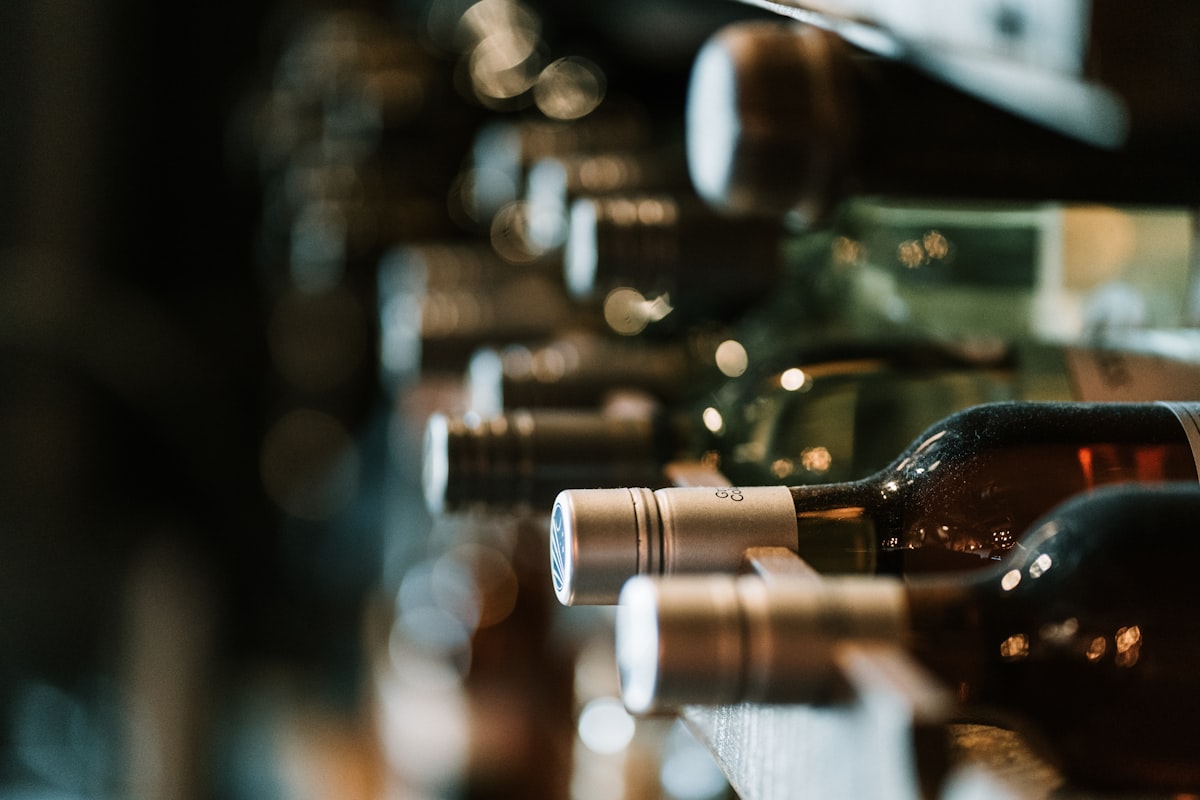
    Visual presentation details — including how bottle shadows fall in photography and on shelves — measurably influence luxury wine purchase decisions. Buyers of premium wine are not evaluating the liquid alone; they are making split-second judgments about prestige based on packaging depth, label contrast, and how light interacts with the bottle. Wineries that treat photography as an afterthought consistently underperform on DTC channels compared to those that deliberately control every visual signal.

    I had a fascinating conversation with a luxury wine collector that reinforced my perspective on what makes or breaks premium winery websites.

    “I don’t make purchasing decisions based on the wine,” he told me. “I make initial decisions based on how it is presented.”

    As surprising as it was to hear this from a collector with a notably high average order value, the idea didn’t shock me. After working with numerous premium wineries, I’ve seen this pattern repeatedly—and it represents a critical blind spot for many in the industry.

    The Three-Second Digital Wine Tasting

    When visiting a new winery website, this collector makes snap judgments based on three specific elements:

    1. Page Load Time

    He literally “feels” how long it takes to load. Anything over 3 seconds signals poor attention to detail—the digital equivalent of a dusty tasting room.

    Technical Recommendation: Implement server-side caching, optimize image delivery with a CDN like Cloudflare, and eliminate render-blocking JavaScript. One boutique producer I worked with meaningfully reduced their page load time, resulting in an immediate increase in page views per session and a measurable lift in conversion rate.

    WISE System Insight: This represents our WISE System “Information” layer—where raw data (page speed metrics) creates meaningful information that directly impacts user experience.

    2. Bottle Photography Quality

    He examines specifically shadow detail and label clarity. Poor photography signals corner-cutting across the business.

    Technical Recommendation: Invest in professional product photography with proper lighting setups. Ensure consistent angles and lighting across your portfolio, and maintain multiple images at various resolutions that dynamically resize based on the device.

    Case Study: A boutique winery invested $500 in professional product photography and saw their average time on product pages increase noticeably, with their online direct-to-consumer sales for featured wines growing quarter-over-quarter.

    3. Tasting Note Specificity

    Generic descriptions like “notes of red fruit and oak” signal generic wines. Specific notes with precise descriptors indicate meaningful differentiation.

    Technical Recommendation: Develop a consistent, structured approach to wine descriptions that includes specific fruit references, structural elements, and aging potential. Create a searchable database of tasting notes that updates as the wine evolves.

    Case Study: One Willamette Valley producer implemented a “tasting note evolution” feature showing how professional descriptions changed over 6-month intervals. This drove a meaningful increase in library wine purchases from their digital club members and significantly reduced club cancellations.

    The Prestige Trailblazer Advantage

    For Prestige Trailblazers—wineries that excel through digital sophistication—these seemingly minor details create powerful first impressions that directly impact conversion rates.

    Premium digital experiences aren’t just about aesthetics—they’re about performance, attention to detail, and treating the digital storefront with the same care as your physical tasting room.

    What’s Your Digital Blind Spot?

    Which of these three elements presents the biggest challenge for your winery? Is it page speed, photography quality, or content specificity? Find out which digital improvements will have the biggest impact for your specific situation.