Category: Legacy Innovator

Heritage-balancing winery growth strategies for Legacy Innovator archetypes.

  • Stop asking for referrals (do this instead)

    Stop asking for referrals (do this instead)

    Asking wine club members for referrals suppresses natural advocacy by converting a social behavior into a transaction — the alternative is to engineer conditions where members refer spontaneously because sharing serves their own interests. Heritage wineries with strong member advocacy systems don’t run referral request campaigns; they offer exclusive experiences members want to be seen at, insider access that feels worth mentioning, and a sense of community belonging that friends visibly want to join. The mechanism shifts from “help us grow” (obligation) to “you have access to something worth sharing” (pride). Wineries using advocacy-first systems consistently achieve referral rates 3–5x higher than those of wineries running explicit referral programs.

    Most wineries chase new members while their existing data reveals meaningful untapped advocacy potential. The issue isn’t member loyalty—it’s that traditional referral approaches ignore the psychology that drives authentic recommendations.

    A winery struggling with declining referrals despite high satisfaction scores illustrates the problem. Its members loved the experience but rarely shared it. Asking happy customers to “tell a friend” misses the deeper mechanics of advocacy psychology.

    The Hidden Cost of Generic Referral Programs

    Why traditional approaches underperform?

    Your current referral system likely focuses on incentives rather than relationship quality. Generic “tell a friend” requests ignore individual member motivations and miss the emotional triggers that inspire authentic recommendations. Without a systematic approach to creating advocacy-worthy experiences, even satisfied members remain silent.

    Assessment Question: When did you last analyze which experiences naturally prompt members to share stories about your winery?

    Most owners can’t answer this because they’re not tracking advocacy moments—they’re just hoping referrals happen.

    The Systematic Advocacy Framework

    Experience Excellence creates moments so remarkable members naturally want to share. This goes beyond good service to designing specifically shareable experiences.

    Social Proof Generation provides evidence and stories members can easily share with their networks. Members need compelling narratives, not just satisfaction.

    Recognition Systems celebrate advocates publicly to reinforce positive behavior. When members see advocacy rewarded, they model that behavior.

    Sharing Facilitation removes friction from the referral process through easy tools and clear pathways for different member types.

    High-Impact Advocacy Generation Strategies

    • Wow Moment Creation: Exceptional experiences designed specifically for shareability. These aren’t accidents—they’re engineered advocacy triggers.
    • Member Success Stories: Individual member achievements and transformations that become natural conversation starters. When members feel proud of their wine knowledge growth, they share that pride.
    • Exclusive Access Programs: Special privileges that create social currency and pride. Access becomes a status symbol worth sharing.
    • Community Leadership Opportunities: Ways for engaged members to contribute and lead within your wine community, creating deeper investment and natural advocacy.

    Advocacy Moment Identification and Optimization

    • Achievement Celebrations: Members reaching wine education milestones or receiving recognition create natural sharing opportunities.
    • Exclusive Experiences: Access to special events, tastings, or vineyard activities generates social currency.
    • Personal Transformation: Moments when members feel educated, sophisticated, or proud about their wine journey.
    • Community Connection: Experiences where members bond with others or feel deep belonging to your winery family.

    Implementation Framework for Systematic Advocacy

    Step 1: Experience Audit

    Identify current moments worth sharing and opportunities for improvement. Most wineries discover they’re already creating advocacy-worthy experiences but not recognizing or reinforcing them.

    Step 2: Advocacy Pathway Design

    Create multiple ways for different member types to refer naturally. Prestige Trailblazers share differently than Loyalty Sommeliers—your system needs to accommodate both.

    Step 3: Recognition System Implementation

    Celebrate advocates publicly to reinforce behavior. When members see advocacy rewarded, they understand their contributions matter.

    Step 4: Sharing Tool Development

    Make the referral process easy and rewarding for advocates. Remove friction while maintaining authenticity.

    Why This Matters for Your Winery

    For community-focused wineries, the most effective advocacy programs don’t feel like programs—they feel like natural enthusiasm for something special. When members advocate organically, their referrals convert at premium rates because the recommendation comes from genuine experience, not incentivized promotion.

    Assessment Reflection: Consider your current member experiences. Which moments make people feel proud enough to share stories? Which experiences create social currency your members want to display?

    The gap between your current advocacy results and your potential reveals the revenue opportunity hiding in your existing member data.

    Ready to transform your member experiences into systematic advocacy? Discover a comprehensive advocacy program, designed for wineries, that shows you exactly how to identify, create, and optimize the moments that generate high-quality referrals naturally.


  • Your vineyard isn’t your most valuable asset—this is

    Your vineyard isn’t your most valuable asset—this is

    A winery’s most valuable asset is not its vineyard acreage or equipment — it is the accumulated tacit knowledge of its winemakers: site-specific intuitions, vintage-by-vintage decisions, and production adjustments that exist only in experienced minds and are lost when those people retire or leave. This institutional knowledge — which clone behaves differently in a wet spring, when to harvest a specific block against the weather forecast, how a particular vineyard row responds to drought stress — takes 15–30 years to develop and cannot be transferred through documentation alone. Wineries that treat knowledge transfer as an HR matter rather than a strategic priority lose irreplaceable competitive advantage during succession transitions.

    Heritage winery owners face a challenge that keeps them awake at night: succession planning. After handling all the obvious elements—ownership transfer, financial planning, legal structures—something still feels incomplete.

    During a strategy session, a patriarch revealed the deeper question: “My daughter knows how to make wine. But does she know why I make the decisions I make?”

    That question revealed the crisis most heritage wineries face but few acknowledge.

    The Tacit Knowledge Gap

    There’s a type of knowledge that never makes it into procedures or manuals. It exists only in the minds of founding generations:

    • Why specific customers receive personalized attention.
    • Which quality compromises are never acceptable.
    • How to read subtle fermentation indicators.
    • When to trust intuition over data.
    • The stories that build lasting relationships.

    This “tacit knowledge” represents decades of accumulated wisdom. When it vanishes during transitions, the business suffers measurably.

    The data shows the estimated cost:

    • Meaningful losses in customer relationships that fail to transfer.
    • Significant costs from production inconsistencies.
    • Real erosion in brand positioning value.
    • Ongoing market confusion expense.

    The total annual loss during transition periods is substantial — often far exceeding what owners anticipate.

    The Wisdom Documentation Protocol

    Systematically implement how to capture the why and not only the what.

    Phase 1: Decision Archaeology (Weeks 1-4)

    • Document 50+ recent business decisions.
    • For each: What was decided, why, what alternatives existed, what values drove the choice.
    • Identify recurring decision patterns.
    • Map decisions to core principles.

    Phase 2: Customer Relationship Mapping (Weeks 5-8)

    • Catalog top 100 customer relationships.
    • Document relationship history, preferences, personal connections.
    • Identify which relationships are “wisdom-dependent.”
    • Create relationship transition protocols.

    Phase 3: Operational Wisdom Capture (Weeks 9-12)

    • Record production decision rationales.
    • Document “feel” indicators that don’t appear in SOPs.
    • Capture quality compromise red lines.
    • Build judgment calibration guidelines.

    Phase 4: Values Codification (Weeks 13-16)

    • Identify core principles that drive decisions.
    • Create decision frameworks for common scenarios.
    • Establish value-alignment evaluation tools.
    • Build next-generation judgment development program.

    The Results Were Remarkable

    Possible outcome after implementing this protocol:

    • Member retention during transition substantially above the industry average.
    • Quality variance held markedly tighter than typical operations.
    • Next-gen leadership acceleration arrived materially earlier than planned.
    • Brand equity increase through consistent positioning.

    That’s the difference between transferring a business and transferring wisdom.

    Your Knowledge Transfer Action Plan

    If you’re within 10 years of transition (or want to build value now), start with these steps:

    Immediate Actions (This Month)

    1. Begin recording decision rationales (not just decisions).
    2. Document your top 25 customer relationships in detail.
    3. Identify 3 “tacit knowledge” areas only you fully understand.
    4. Schedule monthly knowledge transfer sessions with next generation.

    90-Day Framework

    1. Complete Phase 1: Decision Archaeology.
    2. Map all critical relationships and their transfer requirements.
    3. Create video documentation of key processes with commentary.
    4. Establish regular wisdom-sharing rhythms.

    Annual Goals

    1. Complete full Wisdom Documentation Protocol.
    2. Implement next-gen decision-making apprenticeship.
    3. Measure transition readiness across all critical areas.
    4. Build comprehensive transition playbook.

    The Bottom Line

    Your vineyard, equipment, and inventory have clear value. But your accumulated wisdom—the “why” behind 40 years of decisions—might be worth more than all of them combined.

    Don’t let it disappear.

    Which aspect of your wisdom are you most concerned about transferring?

    Explore the complete Knowledge Transfer Framework and discover how to preserve the wisdom that makes your winery irreplaceable.

  • Your grandfather’s winemaking notes just became your competitive edge

    Your grandfather’s winemaking notes just became your competitive edge

    Historical winemaking records — vintage notes, fermentation logs, harvest observations — are a competitive asset that modern buyers cannot replicate and that directly supports premium positioning when translated into contemporary member communications. A winery that can document its 1987 harvest decision in a block now producing its flagship wine is providing provenance that no competitor with less tenure can match. Archive winemaking notes, when surfaced in member newsletters, event narratives, and release communications, create a specificity of storytelling that differentiates boutique heritage wineries from newer producers with equivalent technical skill but no historical depth. The notes themselves are not the product — the narrative they enable is.

    A veteran winery owner showed his consultant something unusual during a strategy session: a leather-bound notebook from a previous century.

    “My grandfather’s fermentation notes,” he said, almost apologetically. “Probably not relevant anymore.”

    Initially that perspective seemed reasonable, but the old techniques held real value. Applying them ultimately altered operations and achieved a meaningful price premium on the flagship wine.

    The Innovation Hidden in History

    The notebook detailed forgotten soil-specific fermentation timing protocols based on 40 years of observation.

    Different vineyard blocks weren’t just harvested differently—they were fermented on different schedules based on subtle terroir indicators. The founder had documented patterns that modern viticulture was only beginning to quantify.

    What made it valuable: the wisdom wasn’t just technical—it was philosophical. The vintner explained why certain approaches honored the vineyard’s voice. That perspective had been lost through “modernization” practices.

    The Modern Implementation

    This was not simply resurrecting century-old practices. It was applying the underlying wisdom with modern tools:

    Historical Practice

    Soil-specific fermentation timing based on visual/taste assessment.

    Modern Implementation

    Same philosophy + modern analytics.

    • Soil analysis validated historical block classifications.
    • Fermentation monitoring confirmed timing patterns.
    • Temperature control added precision to traditional approach.
    • Documentation created repeatable protocols.

    The Pattern Across Heritage Wineries

    Legacy Innovator wineries consistently find that their most valuable innovations come from rediscovering forgotten wisdom.

    Pattern 1: Natural Fermentation Renaissance

    • Historical practice: 1890s wild fermentation protocols.
    • Modern application: Indigenous yeast programs with modern monitoring.
    • Result: Average order value increased meaningfully, unique flavor profiles.

    Pattern 2: Vineyard Mapping Revival

    • Historical practice: Founder’s hand-drawn vineyard block maps with quality notes.
    • Modern application: Precision viticulture guided by historical observations.
    • Result: Marked improvement in quality consistency, optimized picking decisions.

    Pattern 3: Relationship Documentation

    • Historical practice: Personal customer correspondence (letters, notes).
    • Modern application: Structured relationship management framework.
    • Result: Substantial retention improvement, authentic personal touch at scale.

    Pattern 4: Gravity-Flow Wisdom

    • Historical practice: Original gravity-flow cellar design principles.
    • Modern application: Low-intervention production philosophy.
    • Result: Meaningful price premium, strong brand positioning.

    Your Heritage Innovation Audit

    Here’s how to uncover hidden value in your archives.

    Step 1: Archive Inventory (Week 1)

    • Locate all historical documents (notebooks, letters, maps, photos).
    • Catalog practices, philosophies, and observations.
    • Identify what has been lost or simplified over time.

    Step 2: Wisdom Extraction (Weeks 2-4)

    • Look for why behind historical practices.
    • Identify philosophical approaches to challenges.
    • Document founder’s decision frameworks.
    • Note customer relationship approaches.

    Step 3: Modern Translation (Weeks 5-8)

    • Match historical wisdom with current challenges.
    • Identify modern tools that could execute traditional philosophies.
    • Evaluate feasibility and potential impact.
    • Prioritize based on differentiation value.

    Step 4: Pilot Implementation (Months 3-6)

    • Select 1-2 high-impact historical practices.
    • Design modern implementation approach.
    • Run controlled trials.
    • Measure results against baseline.

    Step 5: Scaling and Storytelling (Months 7-12)

    • Expand successful practices across operation.
    • Develop authentic brand narratives.
    • Train staff on historical context.
    • Leverage for premium positioning.

    The Philosophical Shift

    The key insight: Your archives aren’t nostalgia—they’re R&D.

    Founders often solved problems with elegant simplicity because they had fewer tools. Modern wineries sometimes solve problems with complexity because they have more tools.

    The optimal approach? Historical wisdom + modern precision.

    This isn’t about being “old-fashioned.” It’s about recognizing that decades of observation created valuable insights that shouldn’t be discarded just because they weren’t digital.

    Your Action Steps This Week

    1. Locate your archives (even if they’re just boxes in storage).
    2. Spend 2 hours reviewing founder documents.
    3. Identify 3 lost practices that might have modern value.
    4. Schedule a planning session to evaluate implementation.

    The most profitable innovation for your winery might be 127 years old, waiting to be rediscovered.

    What historical practices have you modernized with surprising results? Discover the Heritage Innovation Framework and find out how to turn your archives into a competitive advantage.

  • Your multi-generational terroir knowledge is an unmatched competitive lead

    Your multi-generational terroir knowledge is an unmatched competitive lead

    Ten to forty years of site-specific terroir observation represents a $500K–$2M competitive advantage for boutique heritage wineries — not as a marketing claim, but as a measurable moat in pricing power, member retention, and referral generation that newer producers cannot replicate regardless of capital investment. Terroir knowledge is cumulative: how a specific block responds to frost timing, which rootstock combination performs in drought years, and when a microclimate breaks from the regional weather pattern. This specificity enables more consistent quality, supports premium price points that are justified rather than aspirational, and creates the storytelling depth that wine club members pay to access. A winery founded in 2018 cannot buy this knowledge; they must earn it over decades.

    Every new winery entering the market desperately wants what you already have but might not be fully leveraging: an authentic heritage they can never replicate.

    Wineries that dismiss their competitive advantages while chasing the same trendy tactics as startups inadvertently surrender their most powerful market position.

    Here is what competitors see when they look at established wineries like yours.

    The Four Unassailable Advantages

    Advantage 1: Multi-Generational Terroir Understanding

    You have decades of observation data embedded in operational wisdom. New wineries are guessing. You’re applying proven knowledge.

    Market Impact:

    • Quality consistency competitors can’t match early on.
    • Site-specific optimization they’ll need decades to discover.
    • Weather pattern knowledge that prevents costly mistakes.
    • Subtle vintage management insights that separate good from exceptional.

    Financial Value: This translates to a marked quality consistency advantage, directly supporting premium pricing.

    Advantage 2: Established Customer Relationship Foundation

    You have deep, long-cultivated trust foundations with customers. Competitors are starting from zero, spending heavily to build what you’ve cultivated organically.

    Market Impact:

    • Word-of-mouth momentum competitors must buy through advertising.
    • Customer lifetime values substantially higher than new operations.
    • Referral rates markedly higher than industry average.
    • Acquisition costs materially lower through relationship leverage.

    Financial Value: This represents meaningful reductions in marketing spend annually — a compounding advantage as membership grows.

    Advantage 3: Brand Authenticity Credentials

    Your 100+ year narrative creates brand depth no marketing budget can fabricate overnight.

    Market Impact:

    • Story-based differentiation in commoditized markets.
    • Premium justification beyond just wine quality.
    • Media interest (heritage stories are inherently newsworthy).
    • Partnership opportunities (other heritage brands seek alignment).

    Financial Value: Premium pricing justifiable by heritage + innovation narrative.

    Advantage 4: Operational Wisdom Accumulation

    Decades of decision-making have optimized countless micro-processes. You’ve already made and learned from mistakes competitors haven’t encountered yet.

    Market Impact:

    • Reduced operational costs through proven efficiencies.
    • Better crisis management (you’ve seen similar situations).
    • Supplier relationship leverage.
    • Industry reputation and network effects.

    Financial Value: A meaningful operational efficiency advantage over new operations.

    The Strategic Repositioning

    Here’s how Legacy Innovators transform these advantages into market dominance.

    Framework 1: Heritage + Innovation Synthesis

    Position every innovation as heritage-informed evolution rather than trend-following:

    • “125 years of experience gave us confidence to pioneer [modern practice].”
    • “Our founder’s 1897 observations guided our [current innovation].”
    • “Four generations of wisdom applied to today’s [market challenge].”

    Result: You’re both authentic AND innovative—a position competitors can’t claim.

    Framework 2: Relationship Depth Monetization

    Leverage your relationship foundation for compound growth advantages:

    • Member referral programs that tap decades of trust.
    • Multi-generational family memberships (parents to children to grandchildren).
    • “Legacy member” tiers with special recognition.
    • Reunion events that celebrate long-term relationships.

    Result: Customer acquisition costs materially lower, lifetime values substantially higher.

    Framework 3: Operational Excellence Through Wisdom

    Document and showcase decision-making superiority:

    • Share historical examples of navigating similar challenges.
    • Demonstrate pattern recognition from decades of observation.
    • Highlight long-term thinking vs. short-term trend-chasing.
    • Emphasize stability and reliability.

    Result: Premium positioning justified by proven wisdom.

    The Complete Competitive Moat

    When properly activated, these advantages create a market position competitors simply cannot replicate:

    • Terroir Understanding: generations to replicate. Your lead is permanent. Competitor cost: A substantial learning-curve advantage.
    • Customer Relationships: decades to replicate. Your lead is compounding. Competitor cost: Enormous marketing spend to match.
    • Brand Authenticity: 100+ years to replicate. Impossible to fake. No amount of budget creates genuine heritage.
    • Operational Wisdom: generations to replicate. Your lead is continuous. Competitor cost: Significant ongoing operational inefficiencies.

    The total competitive moat represents advantages that can’t be bought, only earned through time.

    Your Strategic Action Plan

    Phase 1: Advantage Audit (This Month)

    1. Document all heritage assets currently underutilized.
    2. Map customer relationships by depth and duration.
    3. Inventory operational wisdom that’s not yet codified.
    4. Identify areas where you’re competing like a startup instead of leveraging heritage.

    Phase 2: Repositioning (Months 2-3)

    1. Reframe all communications around heritage + innovation synthesis.
    2. Develop premium offerings that leverage relationship depth.
    3. Create operational excellence narratives for marketing.
    4. Launch “Legacy Member” recognition program.

    Phase 3: Market Dominance (Months 4-12)

    1. Implement compound growth strategies (referrals, multi-generational).
    2. Develop partnership opportunities with other heritage brands.
    3. Build media presence around heritage innovation stories.
    4. Create succession narrative that strengthens (not threatens) brand.

    The Bottom Line

    While competitors chase trends and burn marketing budgets trying to stand out, you have something they can never replicate: decades or centuries of genuine heritage.

    The question isn’t whether you have competitive advantages—you absolutely do.

    The question is: Are you wielding them strategically?

    Your 127 years aren’t a burden—they’re an unassailable competitive moat. Take the 3-Minute Archetype Assessment to discover how to maximize your Legacy Innovator advantages.

  • Under-40 demographics avoid you. Here’s the hidden reason

    Under-40 demographics avoid you. Here’s the hidden reason

    The hidden reason under-40 wine drinkers avoid heritage wineries is not price or category preference — it is positioning language that signals exclusivity over belonging. When tasting room copy, email headers, and club landing pages lead with founding dates, awards, and “tradition,” younger buyers read it as a signal that the brand is not for them. Gen Z and Millennials are the fastest-growing fine wine segments, but they self-select out before a visit when a winery’s voice reads as a closed club. Repositioning heritage as shared discovery — not earned prestige — is what opens the door.

    “Our 120-year history was becoming a burden instead of a blessing.”

    That admission came from a 5th-generation owner. Despite producing award-winning wines and maintaining deep-rooted traditions, one was watching younger consumers walk past their tasting room.

    Sound familiar?

    The Uncomfortable Reality About Heritage Marketing

    WISE Signals analysis of customer data across heritage wineries reveals a consistent pattern:

    • Under-40 demographics viewed “unchanged methods since 1903” as irrelevant, not authentic.
    • Heritage messaging was creating distance, not connection.
    • Multi-generational households were choosing modern brands over traditional ones.
    • Revenue patterns showed consistent decline in high-value customer segments.

    The problem wasn’t the heritage. The problem was how it was presented.

    The Repositioning Breakthrough

    Instead of fighting market perceptions, the most successful heritage wineries reposition their story from static tradition to dynamic wisdom.

    Before: “Unchanged methods since 1903.”
    After: “Generations of learning applied to today’s challenges.”

    The transformation may produce significant results:

    • Customer engagement with under-40 demographics increases.
    • Heritage brand strength grows while modern relevance expands.
    • Multi-generational household purchasing jumps.
    • Winery valuation increases through strategic repositioning.

    What This Means for Your Winery

    Your heritage isn’t the problem. Your positioning is.

    Every family winery sits on decades or centuries of accumulated wisdom. The question isn’t whether you have valuable heritage — it’s whether you’re presenting that heritage as living intelligence or museum artifact.

    The WISE Service Assessment Reveals

    1. Which heritage elements strengthen vs. weaken your market position.
    2. How your current messaging impacts purchasing decisions across demographics.
    3. The specific repositioning opportunities hiding in your customer data.
    4. The revenue patterns you’re missing while focusing on tradition.

    Take Action Before Competition Catches On

    Heritage repositioning isn’t about changing your wine. It’s about changing how customers understand your wine.

    While other family wineries cling to static tradition messaging, you can position your heritage as competitive intelligence passed down through generations.

    Discover whether your heritage is strengthening or weakening your market position — and what to do about it. The assessment takes 3 minutes. The insights could transform your next five years.

  • Heritage that evolves vs. history that dies

    Heritage that evolves vs. history that dies

    Heritage that drives wine club retention is a living narrative — one that connects past winemaking decisions to today’s member experience, not a static credential displayed on a wall. Wineries that treat history as a founding date and an award shelf see it ignored by buyers under 45. Those that evolve heritage — publishing winemaker journals, revisiting archive vintages, tying grandfather-era decisions to current terroir choices — create ongoing reasons for members to stay engaged. The difference is storytelling cadence: history is a plaque; heritage is a conversation.

    Some (most?) heritage wineries tell static stories about their past while being irrelevant to contemporary consumers.

    After analyzing heritage stories’ narrative effectiveness, stories that evolve over time compound their strength exponentially, while static histories weaken with each retelling.

    Your family’s legacy deserves better than becoming a business museum.

    The Shadow Most Heritage Wineries Refuse to Face

    The painful reality? Past-focused narratives make your winery appear backward-looking to the exact demographic driving wine industry growth.

    Your current approach creates three revenue-killing patterns:

    • Static narratives lose news value and social sharing motivation.
    • Historical emphasis appeals to a shrinking, aging demographic.
    • Repetitive storytelling breeds familiarity and consumer indifference.

    This isn’t about abandoning your heritage. It’s about stopping the unconscious sabotage of your own success.

    The Narrative Evolution Transformation

    Smart heritage wineries position their legacy as a foundation launching current brilliance — not a destination where innovation goes to die.

    Here’s what works:

    • Each generation adds new chapters to a continuing success story.
    • Traditional values get expressed through contemporary actions.
    • Historical wisdom gets applied to today’s challenges and opportunities.

    Your Heritage Story Evolution Roadmap

    • Foundation story: Why your winery was founded and what values drove its creation.
    • Generational chapters: How each generation honored and evolved the mission.
    • Current application: How heritage wisdom guides today’s decisions.
    • Future vision: Where heritage insights lead your winery’s next chapter.

    Implementation That Generates Revenue

    1. Audit your current heritage story for temporal focus (museum vs. living business).
    2. Interview family generations about how they evolved the winery mission.
    3. Identify connections between historical values and current innovative practices.
    4. Create episodic content showing heritage wisdom in modern applications.

    Your heritage story should be a competitive advantage, not a liability. If your narrative hasn’t evolved in 5+ years, you’re unconsciously pushing away the customers who’ll determine your future.

    Get your heritage narrative better aligned with the legacy your winery deserves. Discover more about heritage storytelling evolution strategies.

  • Winery Owner, Stop pretending succession will handle itself

    Winery Owner, Stop pretending succession will handle itself

    Winery succession is one of the most common and most avoidable causes of boutique winery collapse — not because succession is impossible to plan, but because most winery owners delay the planning until a health event, family conflict, or financial pressure forces a rushed and suboptimal transition. The wine industry’s deeply personal ownership culture makes succession planning feel like a concession of control, but wineries with documented succession plans — covering ownership transfer, brand continuity, wine club member communication, and key-person dependency reduction — navigate transitions without the member churn and revenue disruption that characterize unprepared handoffs. Starting the process five to ten years before the intended transition is the minimum lead time for a well-executed plan.

    The uncomfortable evidence: Why most family wineries destroy value during transition.

    According to Cornell University’s Family Business Program, only 30% of family-owned businesses survive into the second generation, with just 13% making it to the third generation. These aren’t abstract statistics — they represent decades of family effort vanishing because owners refuse to confront succession reality.

    Nearly two-thirds of family businesses don’t have a documented and communicated succession plan, according to PwC’s latest Family Business Survey.

    The Succession Shadow You’re Unconsciously Creating

    There’s a pattern family winery owners won’t acknowledge: they’re unconsciously sabotaging their own succession by avoiding the uncomfortable reality of what transition actually requires.

    Research shows that while 70% of owners want to pass the business onto the next generation, only 30% are successful at the transition. This gap isn’t about capability — it’s about denial.

    Consider what happens when succession gets rushed:

    • Customer confusion creates immediate trust erosion.
    • Unclear generational roles generate internal conflict that customers witness.
    • Brand positioning uncertainty during leadership change destroys market confidence.
    • Poor communication causes loyal customers to question their commitment.

    “When I see estate battles, it’s nothing to do with money,” says Jamie Watson, a partner with GVM Law, a wine and estate planning firm in Napa. “It’s one sibling or someone who felt wronged or not understood.” (Wine Enthusiast)

    What Successful Family Wineries Actually Do Differently

    After analyzing successful family winery transitions, researchers identify clear patterns:

    Multi-year preparation is non-negotiable. Legal experts advise starting the succession process ten years before the expected transition. This isn’t bureaucracy — it’s emotional and operational reality.

    Gradual responsibility transfer works. At Robert Young Estate Winery, they call next-generation participants “BITs — board members in training,” allowing them to learn while senior leadership maintains decision authority.

    Family councils prevent emotional chaos. Unlike boards of directors, family councils give each member input “not in the business, but in the business of the family,” preventing the emotional conflicts that destroy transitions.

    Industry experience before leadership. The Martinellis require next-generation leaders to “get three years’ experience working in the industry for some of our peers” before taking family business roles.

    The Success Factors No One Talks About

    The wineries that preserve value during succession share specific characteristics:

    Corporate structure prevents family chaos. This includes ensuring “all the paperwork is up to date, that all the board meetings that are required to be held have been held, and that all the company officers know they’re company officers.”

    Family involvement enhances marketing value. “Consumers will say they prefer to buy from a family business, from someone who wanted to do it, who loves it, who shares it with family.”

    Early planning creates options. “Planning can take years, so starting just six months beforehand almost certainly won’t be enough time. It’s just too complicated a process.”

    The Succession Communication Strategy That Preserves Loyalty

    Research from the Victorian wine industry reveals three critical factors: “family succession is extremely important in building a story customers can relate to; family reinvestment opportunities for financial sustainability and innovation; and family succession for future employment and legacy.”

    Customers need to see:

    • Gradual leadership introduction through shared activities.
    • Heritage story evolution that includes new chapters rather than endings.
    • Continuity demonstration that reassures rather than unsettles.
    • Innovation within tradition that preserves brand equity while allowing growth.

    Your Next Step: Stop Pretending This Will Handle Itself

    In nearly half (47.7%) of all family business collapses, the failure was precipitated by the founder’s death, and in 29.8% of cases, the owner’s unexpected death.

    The evidence is clear: succession planning isn’t optional — it’s survival insurance.

    Ready to face your succession shadow and start building conscious legacy transition? Get more evidence-based succession planning frameworks on the website.

    This framework includes:

    • The complete multi-year succession timeline.
    • Family council structures that prevent emotional chaos during transition.
    • Customer communication strategies to preserve loyalty.
    • Corporate governance checklists that support seamless leadership change.

    Your family business deserves conscious succession planning, not crisis management.

  • Innovation killed this heritage. This framework saved it.

    Innovation killed this heritage. This framework saved it.

    Wineries with strong heritage identities can destroy the very asset that differentiates them by pursuing innovation in ways that feel discontinuous with their founding story — and the framework that prevents this separates innovation in the cellar and operations from consistency in the brand narrative and member relationship. The failure pattern is specific: a heritage winery adopts modern marketing tactics, new varietals, or contemporary aesthetics that signal a break from the past and, in doing so, alienates the legacy members whose identity investment was built on continuity. The corrective framework positions every innovation as an evolution of the original story rather than a departure from it, maintaining the emotional continuity that retention depends on.

    Your heritage tells a story. But is it the right story for today’s market?

    Most heritage wineries face the same impossible choice: innovate and risk losing their identity, or preserve tradition and watch competitors capture their customers.

    This false dilemma is expensive. Heritage brands kill value by choosing innovation over tradition — or worse, paralysis over progress.

    But what if the choice itself is wrong?

    The Real Heritage Challenge

    The data reveals a different story. Customers don’t want you to choose between heritage and innovation. They want both.

    • Modern convenience paired with traditional quality.
    • Efficiency improvements that preserve authentic experiences.
    • Innovation that amplifies rather than replaces heritage strengths.

    A 3rd-generation winery’s strategic approach shows what’s possible:

    Preserved what customers valued: Hand-sorting grapes, barrel aging, family winemaking philosophy.

    Evolved what customers never saw: Bottling technology, inventory systems, financial management.

    Innovated customer experiences: Online ordering with personal service, virtual tastings.

    Pioneered new opportunities: Sustainability practices honoring land stewardship heritage.

    The results challenged conventional wisdom:

    • Winery customer valuation increased substantially.
    • Heritage brand strength grew measurably in consumer studies.
    • Traditional customers adopted modern conveniences at a notably high rate.
    • Younger demographic engagement improved materially while retaining older base.

    The Heritage Filter Framework

    Every innovation decision passed through four strategic questions:

    1. Will customers notice this change and how will they interpret it?
    2. Does this innovation honor our heritage or compete with it?
    3. Can we implement this while maintaining traditional quality standards?
    4. Does this change strengthen or weaken our core identity?

    This filter prevented costly mistakes while identifying profitable opportunities.

    The breakthrough came from understanding that heritage isn’t about preserving everything — it’s about amplifying what makes you valuable while evolving everything else.

    Your Heritage Innovation Assessment

    Consider your recent innovation discussions. How many passed this heritage filter?

    Most heritage wineries innovate backward — adding changes that weaken their positioning instead of strengthening it. The Legacy Innovator framework reverses this pattern.

    For heritage wineries, innovation isn’t optional. The question is whether you’ll innovate in ways that amplify your traditional strengths or accidentally undermine them.

    Ready to discover which innovations would strengthen your heritage positioning? Learn more about strategic innovation for heritage wineries.

  • The Wine Portfolio Paradox: Less Is More Profitable

    The Wine Portfolio Paradox: Less Is More Profitable

    Boutique wineries that deliberately reduce their number of SKUs consistently report higher per-bottle margins, simpler member communication, and stronger brand coherence than those that expand to meet every taste preference. A large portfolio dilutes the winery’s story, divides production resources, and forces members to make complex decisions at every shipment — all of which increase cognitive load and, counterintuitively, reduce satisfaction. Focusing on a tight range of wines, each carries distinct meaning within the winery’s narrative, allowing every bottle to reinforce rather than fragment the brand.

    I’ve been reviewing the sales data of premium wineries, and I’ve uncovered something that challenges conventional wisdom.

    There is a persistent belief that offering more variety leads to increased sales. It’s intuitive, right? More options should appeal to a broader range of people.

    Yet the numbers tell a completely different story.

    What Our Portfolio Analysis Revealed

    After analyzing sales data from premium wineries, a clear pattern emerged.

    Wineries with focused portfolios consistently outperformed those with extensive variety:

    • Higher revenue per SKU.
    • Better inventory efficiency.
    • Higher average order value.
    • Lower marketing costs per unit.

    I questioned these findings myself. Could it really be this straightforward?

    The Real-World Impact

    This isn’t just theoretical. One boutique winery recently roughly halved its portfolio of wines and wine combinations while maintaining the same production volume.

    Within just two quarters, their direct sales increased meaningfully with no other changes to their strategy.

    No additional marketing spend. No pricing changes. Just a more focused portfolio.

    Why Portfolio Focus Works: The Psychology and Business Logic

    After digging deeper into both consumer psychology and operations research, four key factors emerged that explain these results:

    1. Decision Simplification
      When faced with too many choices, consumers often become overwhelmed and fail to make a decision, a phenomenon psychologists refer to as “choice paralysis.” A focused portfolio reduces cognitive load and increases purchase confidence.
    2. Production Focus
      Fewer SKUs mean more attention can be given to each product. The winery reported quality improvements from concentrated expertise and resources.
    3. Brand Clarity
      A focused portfolio creates a clearer brand identity. Customers better understand what your winery stands for and what makes you distinct.
    4. Operational Efficiency
      Streamlined inventory, simplified logistics, and focused marketing efforts create business efficiencies that directly impact the bottom line.

    Implementation Methodology: The 4-Phase Approach

    If you’re considering optimizing your portfolio, here’s the methodology that I have found to work:

    Phase 1: Portfolio Analysis (2-3 Weeks)

    • Conduct a comprehensive SKU performance review.
    • Analyze profitability, sales velocity, and brand alignment.
    • Identify cannibalization and complementary relationships.

    Phase 2: Strategic Planning (2-4 Weeks)

    • Define core portfolio criteria based on brand positioning.
    • Identify potential SKUs for elimination or consolidation.
    • Develop a transition timeline that minimizes disruption.

    Phase 3: Stakeholder Alignment (1-2 Weeks)

    • Secure team buy-in with data-driven rationale.
    • Prepare communication strategy for customers.
    • Address potential objections with performance projections.

    Phase 4: Implementation & Monitoring (Ongoing)

    • Execute phased reduction strategy.
    • Monitor key performance indicators.
    • Make adjustments based on market response.

    What Makes This Different From Generic SKU Rationalization

    The WISE System approach differs from traditional portfolio management in three key ways:

    1. Data Integration: We analyze purchase patterns in conjunction with customer engagement metrics to identify hidden relationships between offerings.
    2. Customer-Centric Focus: Beyond examining sales numbers, we assess how each SKU contributes to the overall customer experience and lifetime value.
    3. Strategic Alignment: We ensure portfolio decisions support your long-term brand position and growth objectives, not just short-term efficiency.

    This approach is not necessarily trendy or easy; instead, it is so because data conclusively shows it delivers superior results for premium wineries focused on direct-to-consumer sales.

    Next Steps: Evaluate Your Portfolio

    How many distinct offerings does your winery currently maintain? Have you experimented with portfolio focus?

    If you’re interested in exploring how these findings might apply to your specific situation, I’d be happy to walk you through our portfolio optimization framework.

    Learn more about WISE and its value to you.

    Here’s to finding clarity through focus.

  • The Moment That Transformed This Family Winery’s Future

    The Moment That Transformed This Family Winery’s Future

    For many family wineries, the transformational moment is not a marketing breakthrough or a great vintage — it is the decision to stop treating the wine club as a side channel and to rebuild the entire business model around member relationships as the primary revenue engine. That structural shift changes every downstream decision: how staff is hired and trained, how events are designed, how releases are sequenced, and what metrics are tracked. Wineries that make this transition intentionally — rather than drifting into it — compress years of growth into a single strategic pivot.

    I recently spoke with a winery owner who shared a meaningful moment:

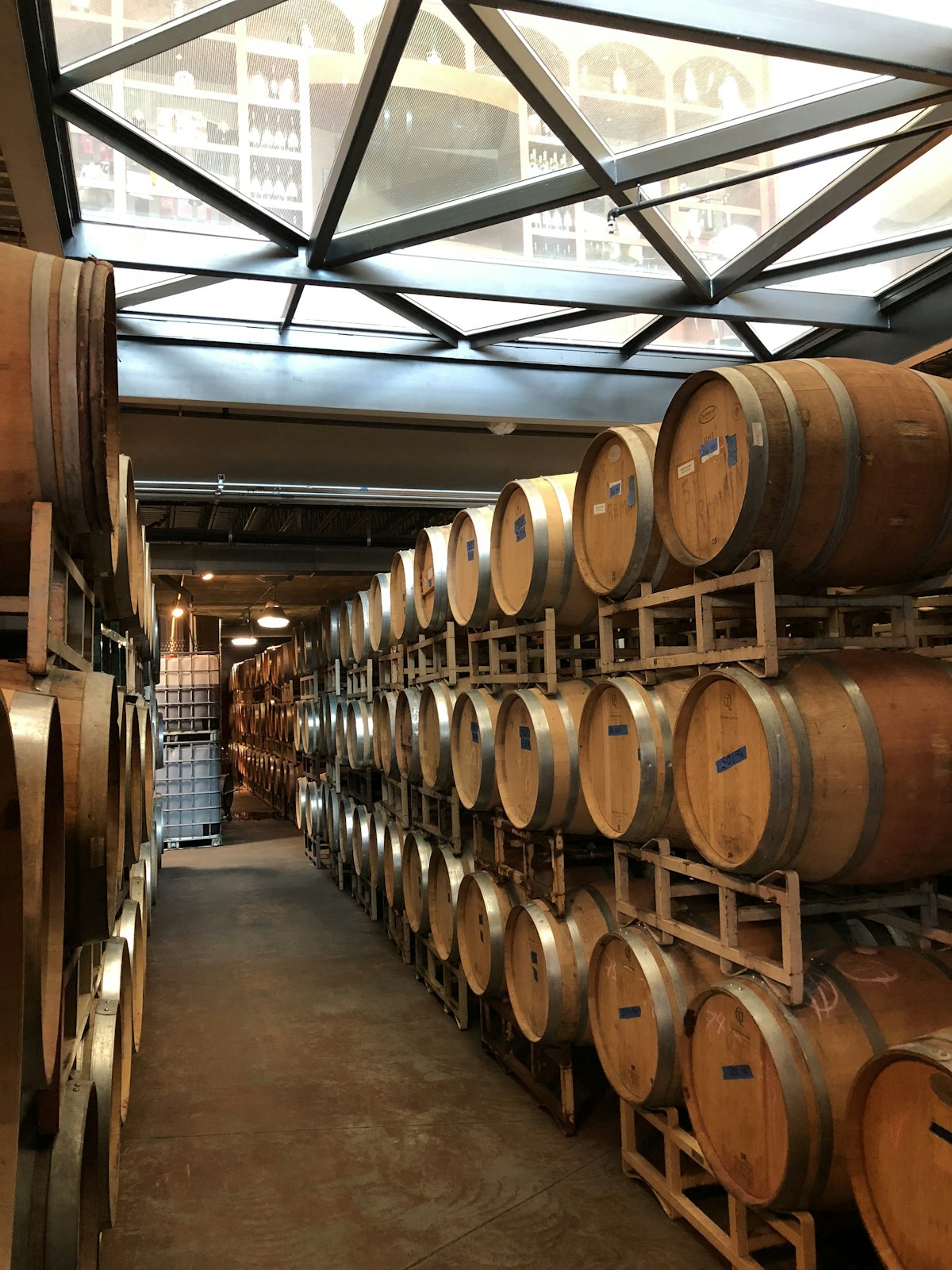
    “Standing in our barrel room, I faced a difficult truth: despite generations of winemaking excellence, our sales strategy was stuck in the past while trendier wineries captured market share.”

    This candid admission perfectly captures the struggle many established wineries face today. You have this rich heritage that took generations to build, yet somehow it feels like a liability in today’s fast-moving market.

    But what happened next was remarkable.

    The Turning Point

    Instead of abandoning their tradition or fighting against it, they made a crucial pivot: they stopped seeing their heritage as a liability and started using it as their advantage.

    They began analyzing their customer data through the lens of their legacy, finding ways to honor their roots while meaningfully connecting with modern consumers.

    This wasn’t about creating flashy Instagram campaigns or chasing every new trend. It was about understanding what made them special and communicating that value in ways that resonated with today’s wine buyers.

    The Results Speak Volumes

    In our own documented “le Club” case, the transformation was more significant than anyone expected:

    • Customer engagement increased 91% (people paid attention again).
    • Purchase rates jumped 56% (attention turned into action).
    • Average order value grew 62% (from $136 to $213 per order for that winery).

    For a club of 1,000 members, that case projected over $77,000 in additional annual revenue, without altering their wines, production methods, or core values.

    Your Winery’s Heritage Is Not a Liability

    I’ve seen this pattern enough to know it’s not a fluke. Your winery’s tradition and heritage aren’t holding you back—they’re your greatest untapped assets.

    But leveraging them effectively requires understanding your unique Winery Sales Growth Archetype.

    Take 3 minutes to discover yours in our free assessment. You’ll learn:

    • Which of the four growth archetypes matches your winery’s natural strengths.
    • How to leverage your heritage in ways that modern consumers respond to.
    • Specific strategies that align with your operational DNA.
    • Why similar strategies produce dramatically different results for different wineries.

    Discover Your Path Forward Today

    The quiz is quick (just 3 minutes), free, and might completely change how you view your winery’s future.

    Here’s to honoring your heritage while building your future.