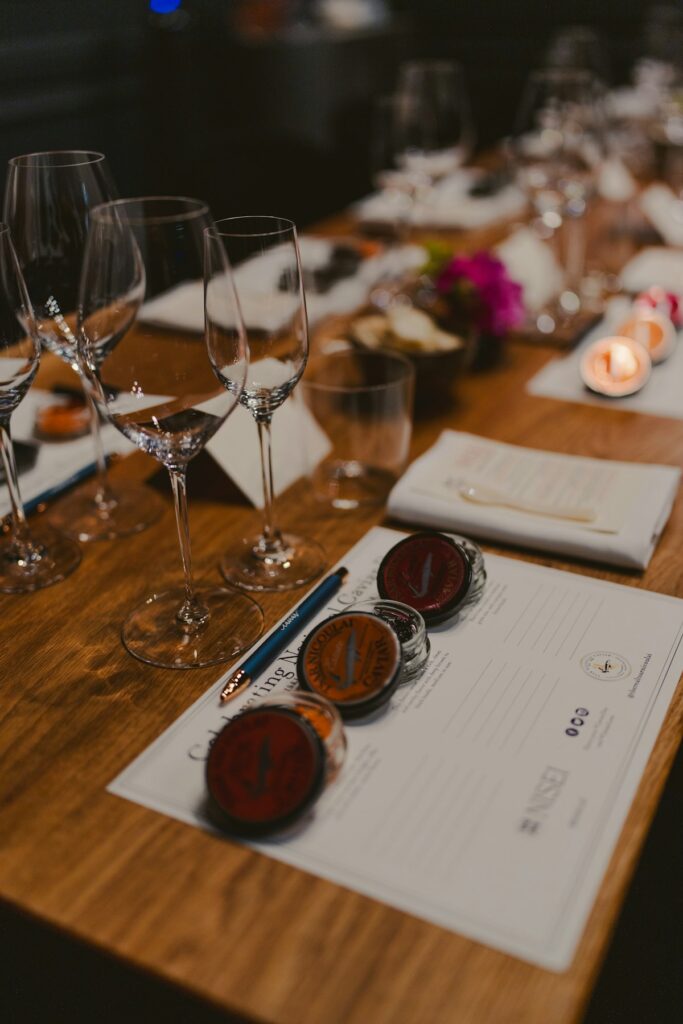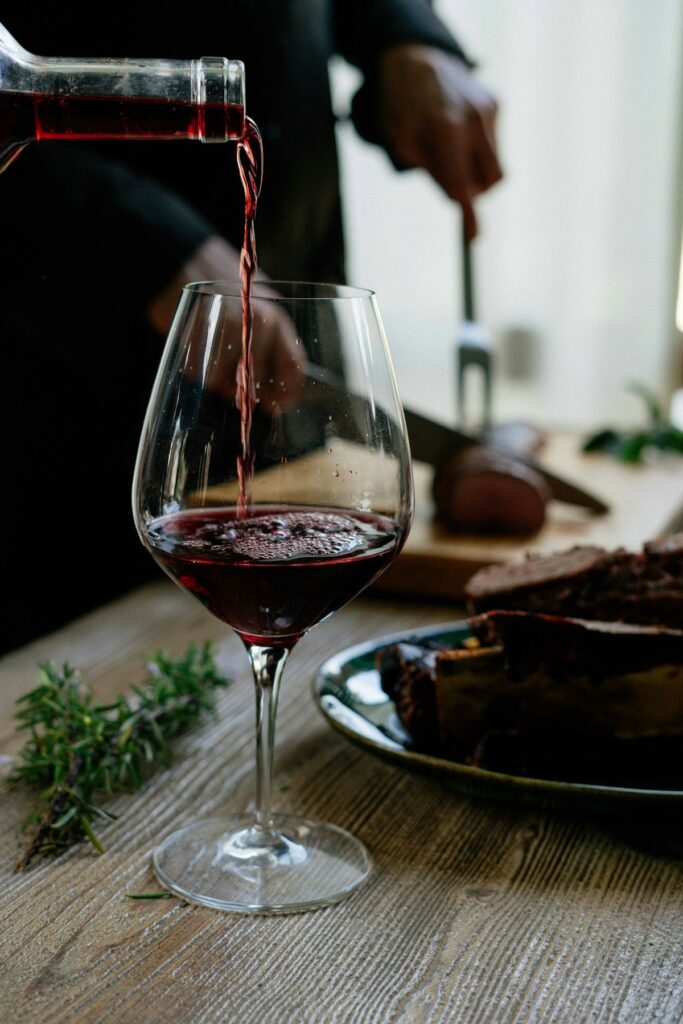
I noticed something fascinating in tasting room events worth sharing with you.
What makes certain tastings unforgettable while others fade from memory within hours?
It’s rarely about the quality of the wine alone. Even exceptional wines can be forgotten when presented within an unmemorable experience.
After analyzing numerous tasting interactions and their resulting conversion rates, I’ve identified a psychological pattern that the highest-performing wineries consistently implement, whether they realize it or not. I named this kind of winery “Hospitality Virtuosos” as they deliberately structure lasting tasting impressions and significantly higher conversion rates.
The Science Behind Memorable Experiences
Our brains don’t remember experiences in their entirety. Instead, we form memories based primarily on:
- The emotional peak (most intense moment).
- The ending.
- Whether the experience followed or broke expected patterns.
The most successful Hospitality Virtuoso wineries intuitively understand this psychology and design their tastings accordingly.
The Complete Tasting Flow Design of High-Converting Wineries
Based on observations of wineries with 25%+ visitor-to-member conversion rates, here’s a sample of an optimal tasting sequence structure:
- Phase 1: Welcome & Foundation (0-15% of tasting)
- Personal greeting that includes the visitor’s name.
- Brief orientation to create comfort and set expectations.
- Opening pour that’s approachable but intriguing.
- Initial questions to understand preferences and establish rapport.
- Phase 2: Education & Exploration (15-65% of tasting)
- Progressive tasting that builds in complexity.
- Storytelling that connects wines to place and people.
- Interactive elements that engage multiple senses.
- Calibrated questioning that reveals visitor interests.
- Phase 3: The Strategic Peak Moment (65-75% of tasting)
- This is where the magic happens.
- Introduction of a deliberate pattern break.
- Creation of a distinct “wow moment” that’s unexpected.
- Implementation of a memorable sensory or emotional experience.
- Phase 4: Appreciation & Connection (75-95% of tasting)
- Return to comfortable conversation, building on discovered interests.
- Introduction of the final wine with personalized context.
- Natural mention of wine club as an extension of the experience, not a hard sell.
- Genuine expression of appreciation for their visit.
- Phase 5: Relationship-Focused Ending (95-100% of tasting)
- The final moment focused on personal connection, not transaction.
- Small meaningful gesture or takeaway connected to their expressed interests.
- Open invitation to maintain the relationship.
- Warm, unhurried farewell.
Examples of Effective “Peak Moments” in Action
The most successful peak moments share three characteristics: unexpected, multi-sensory, and personally relevant.
Here are a few specific examples:
- The Dramatic Glassware Shift
Serve your estate premium wine in a dramatically different glassware, accompanied by a brief moment of silence before explaining why this specific vessel matters for this particular wine. The moment includes both visual impact and storytelling about craftsmanship that mirrors their winemaking philosophy.
Implementation guidance: Invest in a set of distinctive glassware for just one wine. The contrast creates the memory, not the absolute quality of the glass. Having the glass on the table is also possible, building anticipation as it is constantly left empty. - The Unexpected Pairing Revelation
Introduces a surprising food pairing at the 70% mark — not an expected cheese or chocolate, but something unexpected like a single salt crystal or a drop of aged balsamic on the back of the hand before sipping. The unexpectedness creates a distinct memory marker.
Implementation guidance: Choose something surprising but genuinely enhancing. Practice the timing and presentation until it feels natural. - The Barrel Sample Moment
Bring a small barrel sample of next year’s vintage precisely this moment, creating an “insider access” feeling. The key is the presentation — using a wine thief and small glasses rather than standard glassware.
Implementation guidance: Focus on presentation elements that differ from the rest of the tasting. The contrast that creates the memory. Having the glass on the table is also possible, building anticipation. - The Personal Connection Reveal
Save a personal story about your intimate connection to the wine until this strategic moment. The vulnerability and authenticity create an emotional peak.
Implementation guidance: It doesn’t have to be you. Staff can share genuine, brief personal connections to specific wines, saved for this strategic moment. - The Sensory Enhancement
Introduces a specific scent element (like fresh herbs from their garden or barrel stave smoke) at this moment, engaging an additional sense not previously highlighted.
Implementation guidance: Focus on creating multi-sensory experiences that complement rather than compete with the wine itself.
The Relationship-Focused Ending
Equally important is how the experience concludes. For the highest conversions, never end with membership details or pricing information. Instead:
- Ask a thoughtful question about the visitor’s own wine journey.
- Offer a small, unexpected gift related to something mentioned during the tasting.
- Share a brief behind-the-scenes insight that makes the visitor feel like an insider.
- Express specific, genuine appreciation for something unique about their visit.
Implementation Guide: Transforming Your Tasting Experience
Based on successful implementations, here’s one way to restructure your tasting flow:
- Step 1: Audit Your Current Experience
- Document your existing tasting sequence in detail.
- Note where your premium wines currently appear in the sequence.
- Identify any existing “peak moments” that occur naturally.
- Evaluate how your tastings typically conclude.
- Step 2: Design Your Peak Moment
- Select a specific wine to showcase at the 70-75% mark.
- Develop a distinctive presentation element that breaks patterns.
- Create a brief but meaningful story to accompany this moment.
- Train staff on consistent execution with room for authentic delivery.
- Step 3: Reimagine Your Ending
- Develop 3-5 relationship-focused closing approaches.
- Create small, meaningful parting gifts or gestures.
- Train staff to transition naturally from tasting to farewell.
- Remove explicit membership “pitches” from the conclusion.
- Step 4: Implement Measurement Systems
- Establish clear conversion metrics before making changes.
- Track both immediate conversions and subsequent visits.
- Gather qualitative feedback about memorable moments.
- Continuously diversify and refine based on results.
Your Next Steps
For Hospitality Virtuosos, every tasting is a carefully choreographed experience, not just a sampling of products. Consider taking these steps:
- Identify where your current peak moments occur naturally.
- Design an intentional peak at the 70-75% mark of your tasting.
- Reconstruct your ending to focus on the relationship, not a transaction.
- Measure the impact on both conversion and average order value.
Explore how these principles may apply to your tasting program and discover more resources on the WISE System.