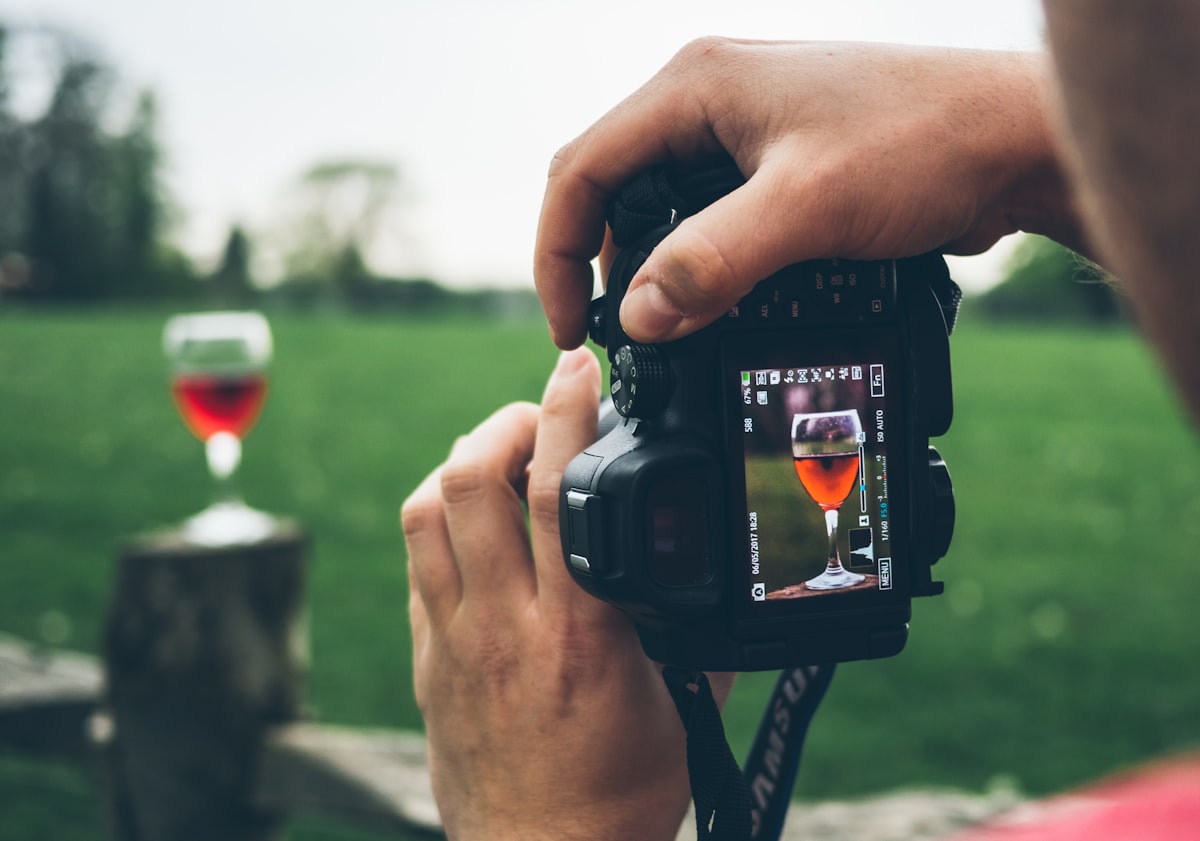
High-quality wine photography does not correlate with DTC conversion rates — wineries with professionally shot imagery perform no better on average than those with modest photography when other conversion factors are held constant. The data consistently shows that specific, personal storytelling (winemaker voice, member testimonials, production detail) outperforms visual polish as a driver of online wine purchases and club signups. Beautiful photos create positive brand impressions but do not resolve the purchase-decision questions that actually block conversion: Is this wine for someone like me? Will I enjoy it? Is the club worth the commitment?
Beautiful vineyard photos might get likes, but they rarely drive sales.
After spending weeks analyzing content performance across premium wineries, I have found that the highest-converting content isn’t what most marketing teams focus on producing.
The Content Performance Reality Check
Most wineries post what feels right: stunning vineyard shots, generic process videos, achievement announcements. These get engagement, look professional, and feel like “good marketing.”
Yet when I traced actual sales back to content touchpoints, a different picture emerged.
The pretty photos? Minimal revenue attribution.
The achievement posts? Low conversion rates.
The generic tasting notes? Forgettable and ineffective.
What Drives Wine Sales
The data reveals five specific content types that consistently generate measurable revenue:
- Winemaker Decision Moments
Content showing specific choices made during production, with clear reasoning, converts better than generic process content.
Instead of “We’re harvesting Cabernet today,” try “We chose to harvest Block 7 at 24.2 Brix instead of waiting for 25+ because this year’s heat spikes meant we’d lose the bright acidity that makes our Cab distinctive.” People buy decision-making expertise, not processes. - Customer-Centered Storytelling
Features about actual customers (with permission) and their wine experiences outperform winery-centered content by significant margins.
A story about how Sarah chose your Pinot for her anniversary dinner resonates more than another post about your winemaking philosophy. It shows real people making real decisions about your wine. - Educational Contrasts
Side-by-side comparisons explaining differences—vineyard blocks, vintages, techniques—drive more engagement and higher conversion than general tasting notes.
“Our Estate Block produces wines with more mineral structure than our Hillside Block due to the clay-limestone mixture versus pure volcanic soil,” teaches while it sells. - Behind-the-Failure Content
Honest discussions of challenges or mistakes (and how they were addressed) build more trust than achievement-focused content.
The year you lost 30% of your Chardonnay to unexpected frost, then created your best late-harvest dessert wine from the surviving grapes? That story sells authenticity. - Future-Focused Questions
Content asking for input on upcoming decisions creates more engagement and significantly higher purchase correlation than announcements of completed plans.
“Should we release our 2022 Syrah now or age it another six months? Here’s what we’re considering…” invites participation and investment.
The 90-Day Transformation
One boutique winery completely redesigned its content strategy around these five types. Within a single quarter, its content-attributed sales rose markedly without increasing production costs or posting frequency.
Same effort. Better results. More revenue.
Why This Works Across All Winery Types
The most compelling finding? These high-converting content types work across ALL winery archetypes—Prestige Trailblazers, Hospitality Virtuosos, Loyalty Sommeliers, and Legacy Innovators.
The optimal channel and format vary based on your natural strengths, but the content principles remain consistent.
Your Next Steps
Which of these content approaches resonates most with your current strategy? More importantly, which one could you implement this week?
I’ve seen too many passionate winery owners pour resources into content that feels right but doesn’t drive sales. The WISE System approach transforms content performance data into actionable insights that move wine.
Ready to shift from engagement-focused to revenue-driven content? Discover high-converting content strategies that work specifically for your winery archetype.
Stop posting for likes. Start posting for sales.
