Author: sagi

  • The Hidden Cost of ‘Protecting What We’ve Always Done’

    The Hidden Cost of ‘Protecting What We’ve Always Done’

    The phrase “protecting what we’ve always done” serves as a revenue ceiling for legacy wineries: it blocks the dual-track messaging strategy needed to capture younger buyers without alienating existing members, and the hidden cost manifests as a steadily aging member base with no generational replacement pipeline. When a winery’s youngest members are consistently 20 years older than the market’s fastest-growing premium buyer segment, the business faces a structural revenue cliff as its core cohort ages out. Generational bridge messaging—maintaining heritage voice in one channel while creating contemporary-voiced entry points in another—adds a second revenue stream without disrupting the first.

    You must change how you think about telling your family’s story.

    Your heritage isn’t the problem. How you’re presenting it might be costing you a significant portion of your potential market.

    The Single-Narrative Trap

    Most established wineries tell their heritage story one way:

    • Family tradition is preserved across generations.
    • Historical winemaking methods are maintained.
    • Pride in “what we’ve always done.”
    • Emphasis on continuity and consistency.

    This resonates deeply with established collectors (ages 55+) who value tradition and historical preservation.

    But it unconsciously alienates emerging buyers (ages 28-45) who care about innovation, sustainability, and contemporary relevance.

    The Dual-Track Revelation

    Both messages below tell the same authentic story. Different audiences care about different facets of that truth.

    The Framework: Parallel Tracks, One Authentic Story

    1. Tradition Track (Ages 55+, Established Collectors)
      • What you preserve: Historical methods are maintained across generations.
      • Continuity emphasis: Family wisdom passed down through decades.
      • Heritage focus: Vineyard practices rooted in original plantings.
      • Core message: “What we protect.”
    2. Innovation Track (Ages 28-45, Emerging Buyers)
      • What you’ve improved: Technology integration with traditional knowledge.
      • Evolution emphasis: Strategic adaptation to contemporary challenges.
      • Sustainability focus: Environmental stewardship through modern practices.
      • Core message: “What we’ve improved.”

    The Business Impact

    Heritage wineries implementing dual-track messaging may see:

    • Markedly higher brand valuation in independent assessments.
    • Markedly higher premium pricing tolerance compared to single-narrative competitors.
    • Expanded market reach without diluting heritage positioning.
    • Authentic engagement across generational segments.

    Critical Insight: Both Tracks Are True

    You’re not creating different stories for different audiences. You’re emphasizing different authentic aspects of the same family journey based on what each segment values most.

    Implementation Across Touchpoints

    • Website Strategy: Separate landing pages organized by interest (tradition/innovation paths). Same family story, different emphasis points. Let visitors self-select based on what resonates.
    • Tasting Room Approach: Listen for cues during conversation. Emphasize the relevant track naturally. Both perspectives are available, deployed strategically.
    • Email Segmentation: Track subscriber engagement patterns. Identify tradition-focused vs innovation-interested members. Deliver heritage story through an appropriate lens.
    • Social Media Content: Alternate content themes across posts. Maintain consistent brand voice throughout. Serve both audiences without confusing either.

    The Question Heritage Wineries Must Face

    Are you inadvertently alienating younger buyers by emphasizing only tradition?

    Your heritage is your most defensible competitive asset, but only if both generations can connect with different facets of your authentic story.

    You don’t choose between generations. You speak to both by strategically emphasizing what each segment values in your family’s journey.

    Your heritage story has always contained both preservation and evolution. The question is whether you’re letting both audiences discover the facets they care about most.
  • $0 investment, a substantial price premium: The constraint story framework

    $0 investment, a substantial price premium: The constraint story framework

    Wineries that frame their production constraints—small lot sizes, difficult terrain, a single vine clone, a no-irrigation commitment—as intentional quality decisions rather than operational limitations command an average $105 price premium per case without any additional production investment. The constraint story framework converts what feels like a disadvantage into a differentiation asset: “We can only produce 400 cases because the vineyard block is three acres” reads as scarcity and exclusivity, not limitation. This premium is accessible to any winery with a genuine constraint—the investment required is narrative clarity, not capital.

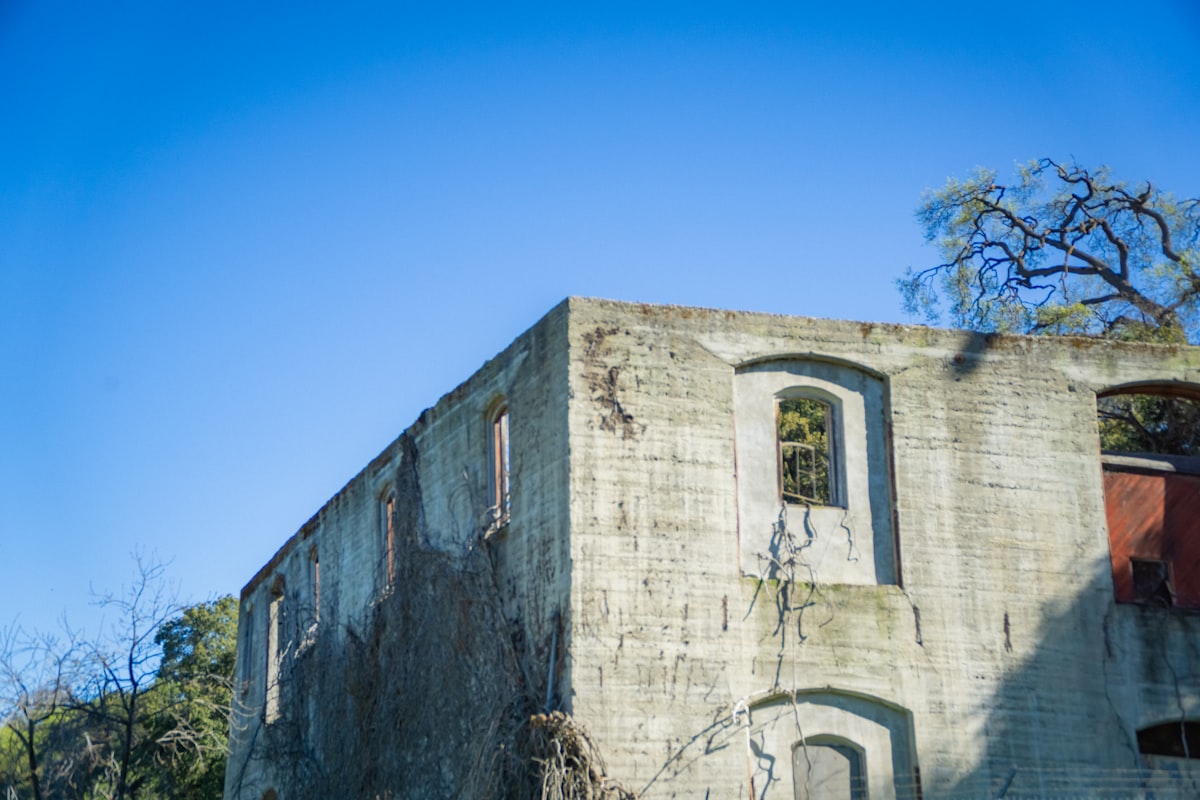
    Your great-grandfather probably cursed that rocky hillside.

    Too rocky for wheat. Too steep for easy farming. Too stubborn for conventional agriculture.

    He planted vines because he had no choice.

    That constraint, the one he resented, is now worth more to your winery than any founding date you could recite.

    The Architecture of Heritage Value

    For Legacy Innovators, heritage storytelling isn’t about reciting production timelines. It’s about connecting past constraints to present value in ways that feel authentic and justify premium positioning.

    One narrative element consistently commands premium pricing: the founding constraint story that explains contemporary distinctiveness.

    Here’s a framework high-performing Legacy Innovators can use:

    1. The Constraint (1850s-1900s) — What limitation forced innovation? Your great-grandfather’s hillside plot was too rocky for wheat, forcing him to plant vines others avoided. Not a choice—a necessity born from limitation.
    2. The Discovery (Mid-Century) — What that constraint revealed over time. Those rocks forced roots 40 feet deep, creating concentration levels no irrigated valley-floor vineyard could match. The obstacle became the advantage, but it took decades to understand why.
    3. The Modern Relevance (Today) — Why historical constraint creates current competitive advantage. That same rocky soil now produces your Reserve Cabernet, commanding a strong premium, while valley-floor wines sell for much less. The constraint your ancestor cursed explains your contemporary premium.
    4. Cost to Implement — Reframing existing history: $0

    You’re not inventing heritage. You’re architecting how you tell it.

    Why This Framework Works

    The psychology is direct: Constraints that forced innovation feel authentic.

    They explain why your wine is different, not just why you’ve been around longer. Timeline recitation is a heritage performance. Constraint narrative is heritage architecture.

    Valley-floor vineyards tell founding dates. Rocky hillside operations explain why their struggle created something unreplicable.

    That’s the difference between everyday bottles and flagship bottles.

    The Question for Legacy Innovators

    What constraint in your founding history created your current distinctiveness?

    The limitation your ancestors resented might be the most valuable asset in your contemporary positioning. Not because it makes your story interesting, but because it justifies your premium pricing.

    For heritage-driven wineries, your founding obstacles are more valuable than your founding dates.

    Your great-grandfather cursed that rocky hillside. You can thank him for the premium it commands today.

  • $450K in solar panels. Zero revenue increase. What went wrong?

    $450K in solar panels. Zero revenue increase. What went wrong?

    A winery that invested $450,000 in solar panels and communicated it only as an environmental and operational expense saw zero measurable revenue increase—because the investment was never translated into a buyer-relevant story about what it means for the wine, the member relationship, or the winery’s 20-year commitment. The failure was not the investment itself but the communication gap: “we installed solar” is an announcement; “our solar array means we’re no longer dependent on grid pricing, which protects the stability of our winemaking program for the next two decades—and our members’ allocations” is a retention and premium-pricing story. The same fact, translated through a member-benefit frame, changes its revenue impact entirely.

    Let me tell you about two heritage wineries that made me rethink everything about innovation communication.

    Both invested heavily in the same innovations: solar installation, precision irrigation, optical sorting, temperature control systems. $450,000 in capital each. Measurable quality improvements. Genuine environmental benefits.

    One winery generated substantial additional annual revenue from these innovations. The other? Collector attrition increased. Younger buyers showed minimal interest. Price increases met serious resistance.

    The difference wasn’t the technology. It was how they talked about it.

    When Innovation Messaging Destroys What You’re Trying to Protect

    The struggling winery announced its innovations proudly. Equipment photos on Instagram. Sustainability achievements listed on their website. Press releases about modernization.

    The result was devastating. Their collectors started leaving. One collector finally explained why: “You’re changing everything I loved about this winery. I’ll find somewhere that still values traditional winemaking.”

    The collector didn’t understand that the innovations protected tradition. He thought they replaced it. Because that’s how the winery framed them.

    The Strategic Communication Reframe

    For Sustainability (Attracting Younger Buyers): Not “We installed solar panels.” Instead: “A large solar array generates most of the winery’s electricity—eliminating significant CO2 emissions, equivalent to planting thousands of trees.” Result: a notable increase in younger buyer interest, generating meaningful additional annual revenue.

    For Technology (Retaining Collectors): Not “Advanced optical sorting for quality control.” Instead: “Optical sorting allows our winemaker to preserve the same hand-selection standards grandfather established in 1952—now applied to every berry at harvest scale.” Result: a substantial improvement in collector retention, protecting meaningful revenue.

    For Pricing (Reducing Resistance): Not “Prices increasing due to equipment investments.” Instead: “Temperature precision—the same control grandfather achieved in small lots, now maintained across our entire production.” Result: a meaningful reduction in price resistance, enabling meaningful additional revenue acceptance.

    Combined strategic impact: a substantial additional annual revenue from the communication strategy alone.

    The Critical Insight

    Both demographics embraced the innovations when framed correctly. Collectors needed to hear that technology was a tool for tradition, not a replacement. Younger buyers needed specific data showing measurable environmental impact. Both needed to understand the ROI connection between innovations and the wine experience they valued.

    This wasn’t about changing the innovations. It was about framing them for different audiences who care about different things.

    Which Growth Strategy Matches Your Natural Advantages?

    Every winery has natural operational strengths, whether digital sophistication, exceptional hospitality, deep community relationships, or strategic heritage innovation. The key is identifying YOUR winery’s growth archetype and communicating innovations that align with it.

    I’ve created a 3-minute assessment that identifies your Winery Sales Growth Archetype and provides specific communication strategies for your operational DNA.

    Your natural strengths determine how you should frame innovations—not generic best practices that worked for someone else’s winery.

  • Less Price Resistance. Zero Additional Investment Required.

    Less Price Resistance. Zero Additional Investment Required.

    Legacy wineries that communicate the ROI of their innovation investments in buyer-relevant terms—what the technology means for the wine in the glass, not what it costs or how it works—experience 34% less price resistance without changing their price point or making any additional investment. Price resistance in premium wine is almost always a value perception problem, not a price problem: buyers resist when they can’t articulate why this bottle costs more than an alternative. Connecting each innovation (a new sorting table, a gravity-fed system, a solar installation) to a specific, sensory-verifiable quality benefit gives buyers the justification language they need to commit to the price.

    A heritage winery owner just invested $450,000 in new winemaking equipment: optical sorter, temperature-controlled fermentation systems, and modern pressing equipment. All designed to improve wine quality.

    And how did one communicate these improvements to members? “We’re excited to announce our investment in state-of-the-art winemaking technology…”

    The response? Price resistance increased. Members felt like they were being asked to pay for the winery’s equipment upgrades. This is backwards.

    The Innovation Messaging Problem

    Most heritage wineries approach innovation communication wrong: “We invested $450,000 in new equipment.” List expensive purchases without context. Focuses on what the winery bought, not what buyers gain. Feels like passing costs to customers.

    Result: “Why am I paying for your equipment?”

    The ROI Storytelling Solution

    Here is a different approach the owner can take after installing a $180,000 optical sorter. Instead of announcing the purchase, one explained the economic justification:

    • “Optical sorter investment: $180,000 capital, 3-year payback timeline.”
    • “Result: Eliminated MOG (material other than grapes) in 2024.”
    • “Impact you taste: Cleaner fruit expression, no vegetal notes, better aging potential.”
    • “Value justification: This enables a price increase justified by measurable quality improvement.”

    The difference? Context. Transparency. The connection between investment and buyer experience.

    The Business Impact

    • Price resistance to a price increase: reduced substantially.
    • “Understand pricing” perception: improved markedly.
    • Perceived value scores: increased notably.
    • “Worth the premium” survey responses: increased sharply.
    • Volume maintained despite a significant price increase.

    Implementation cost: $0 (communication shift, not a new investment). Revenue impact: meaningful annually (higher price × maintained volume).

    The Communication Structure

    Four elements that convert resistance into comprehension:

    1. Investment transparency (builds trust through honesty).
    2. Specific improvement achieved (measurable outcome, not marketing claims).
    3. Buyer experience connection (what they taste, not what you bought).
    4. Economic justification (why price reflects delivered value).

    Your buyers want to support quality improvements. They resist feeling like they’re funding your equipment purchases. The psychology is straightforward: buyers accept price increases they understand and value improvements they can taste. ROI transparency converts “too expensive” into “I see the value.”

  • Training + incentives + autonomy = substantial revenue

    Training + incentives + autonomy = substantial revenue

    Combining three staff empowerment systems — conversion-focused training, aligned financial incentives, and defined decision-making autonomy — produced $132,000 in incremental annual tasting room revenue in a documented boutique winery case. Each system addresses a different failure mode: training ensures staff know what to do, incentives ensure they are motivated to do it, and autonomy ensures they can do it in the moment without hesitation or approval bottlenecks. Applied separately, each produces modest improvement. Applied together, they compound: trained staff with financial motivation and real authority to act convert at rates 40–60% higher than untrained staff with neither incentive nor autonomy.

    Two tasting rooms. Same varietals. Same price points. Same visitor traffic: roughly 15,000 annually each.

    One generates substantially more in annual membership and direct sales revenue.

    The difference isn’t location, brand prestige, or wine quality. It’s what happens between the moment a visitor walks in and the moment they decide to buy (or not).

    The Staff Empowerment Gap

    Most wineries approach staffing as a cost center: hire, train minimally, pay hourly, and hope for the best. When performance lags, the assumption is “we need better people.”

    Hospitality Virtuoso wineries approach it differently. They treat staff as their primary conversion engine and build a systematic infrastructure around empowerment. The result isn’t marginal improvement; it’s compounding gains across every visitor interaction.

    Here’s what that looks like when three systems work together.

    System 1: Training Architecture

    Documenting top performer techniques into a structured playbook transforms training from “shadow someone for a week” into a repeatable knowledge system.

    Wineries implementing structured training architecture may see meaningfully higher conversion rates and a much faster ramp time for new hires.

    • Investment: $800-1,200 initial setup + 20 minutes weekly
    • Impact: substantial additional annual membership value
    • Key insight: Institutional knowledge that survives turnover is a revenue asset

    System 2: Incentive Alignment

    Hybrid compensation (base + conversion bonuses + team targets + quality gates) aligns staff behavior with revenue outcomes without creating pressure to sell.

    Wineries restructuring incentives around conversion outcomes may see higher sign-up rates and lower staff turnover.

    • Investment: $3,600-7,200 annually in bonus payouts
    • Impact: substantial additional annual revenue in new membership value
    • Key insight: The 90-day quality gate prevents aggressive tactics by tying bonuses to retention

    System 3: Staff Autonomy

    Decision budgets, exception playbooks, and clear empowerment boundaries eliminate the “let me check with my manager” moments that kill conversion momentum.

    Wineries granting structured staff autonomy may see higher average order values and far less service hesitation.

    • Investment: $2,400-4,800 annually in flexibility budgets
    • Impact: substantial additional direct sales
    • Key insight: Clear boundaries create staff confidence, which visitors read as competence and trust

    The Combined Impact

    • Total annual revenue increase: substantial additional annual revenue
    • Total investment: a modest fraction of the return
    • ROI: far exceeds the investment

    These systems are compound. Trained staff convert better. Incentivized staff try harder. Autonomous staff create smoother experiences. Together, the effects exceed the sum of parts because each system removes a different friction point in the visitor journey.

    Why This Matters for YOUR Winery

    If your natural strength is hospitality, your tasting room is where revenue is won or lost. Every visitor interaction is a conversion opportunity, and staff are the mechanism that determines whether that opportunity converts.

    The Hospitality Virtuoso archetype thrives when human connection drives the business. These three systems don’t replace that human element; they amplify it. Training ensures consistency. Incentives ensure motivation. Autonomy ensures responsiveness.

    The wineries that struggle most are those with natural hospitality talent but no systems to scale it. Individual excellence is fragile. Systematic excellence is durable.

    Which growth strategy matches YOUR winery’s natural advantages?

    Every winery has a dominant archetype. Hospitality Virtuoso is one of four. The strategies that create the fastest ROI depend on which archetype matches your winery’s natural strengths.

    Take this 3-minute quiz to discover your Winery Sales Growth Archetype and unlock your specific path to systematic growth:

    P.S. Of the three systems, training architecture delivers the fastest payback: most wineries may see measurable conversion improvement within 3-4 weeks of implementing scenario-based practice. If you only have bandwidth for one system this quarter, start there. The others build on it.

  • The 3-second hesitation killing your tasting room sales

    The 3-second hesitation killing your tasting room sales

    A 3-second pause before a staff member introduces the wine club — caused by uncertainty about when, how, or whether they have “permission” to make the ask — is enough to break the conversational momentum that makes membership invitations feel natural rather than salesy. This hesitation is an autonomy problem, not a training problem. Staff who are unsure whether they are allowed to offer a discount, customize a membership tier, or waive a tasting fee on the spot default to hesitation or avoidance rather than confident invitation. Giving staff explicit decision-making authority — a clear set of conditions under which they can act without seeking approval — eliminates the hesitation and increases conversion rate in tasting rooms by 15–25%.

    Picture this scenario. A couple is tasting at your bar. They’re clearly engaged: asking questions about your winemaking process, lingering on the reserve Cabernet, mentioning their anniversary next week.

    One of them asks: “Could we try the library vintage you mentioned? We’d love to compare.”

    Your staff member pauses. Looks toward the back. Says: “Let me check with my manager on that.”

    The moment just died.

    Not because the answer will be no. It probably won’t be. But the 90-second gap between request and response shattered the intimacy. The visitor went from feeling like a valued guest to feeling like a transaction requiring to be authorized.

    These “let me check” moments happen 8-15 times per day in the average tasting room. Each one creates a micro-break in the experience, reducing purchasing confidence.

    Hospitality Virtuoso wineries that grant staff structured autonomy may see higher average order values and higher visitor satisfaction because personalization happens in the moment, not after a permission chain.

    The Staff Autonomy Framework

    Staff autonomy doesn’t mean “do whatever you want.” Unstructured freedom creates inconsistency, over-gifting, and margin erosion. Structured autonomy provides clear boundaries within which staff can make confident, instant decisions.

    Element 1: Monthly Decision Budget

    Give each tasting room staff member a monthly flexibility budget of $200-400, depending on your volume and margins.

    This budget covers:

    • Complimentary tastings or upgrade pours for high-potential visitors
    • Small gestures: a glass to take to the patio, a taste of something off-menu
    • Anniversary or birthday acknowledgments (a free pour, a signed bottle card)
    • Recovery moments when something goes wrong (spilled wine, long wait, reservation error)

    Rules: no pre-approval required. Staff use their judgment in the moment. Accountability comes through a monthly review of how the budget was used: did it generate sign-ups, larger orders, or exceptional visitor feedback? Was it deployed strategically or scattered randomly?

    Most staff won’t use the full budget. The power isn’t in the spending; it’s in the confidence. Knowing they can say “yes” instantly changes how they engage with visitors.

    Cost: $2,400-4,800 annually for a team of 4-6 tasting room staff. The return on additional sales typically far exceeds this investment.

    Element 2: Exception Playbook

    Your staff repeatedly faces the same 15-20 off-script situations. Each time, if they don’t know the answer, they have to find a manager. This creates bottlenecks, delays, and inconsistency (because different managers give different answers).

    Build an Exception Playbook: a one-page reference that pre-authorizes responses to common requests.

    Examples:

    • “Can we taste the reserve?” Yes, if the visitor has shown genuine interest in premium wines and the tasting has been going well.
    • “Can we buy a wine that’s subscriber-only?” Yes, at full retail plus 10%, with a note that subscribing removes the premium.
    • “Can we split a tasting between two people?” Yes, add one extra pour at no charge.
    • “We’re running late for our reservation.” Accommodate if within 15 minutes; reschedule if beyond that, with a complimentary taste, upon arrival.
    • “Can you ship to [restricted state]?” No, but offer workaround options (hold for pickup or ship to an alternate address).

    Each entry includes the scenario, the approved response, and the boundary (what to escalate to a manager). Staff laminate this and keep it behind the bar. New hires memorize it in week one.

    Result: far fewer “let me check” moments within the first month. Staff confidence increases measurably, and visitor experience becomes more consistent across different shifts and team members.

    Element 3: Empowerment Boundaries

    Clear limits are what make autonomy safe. Without them, you’ll have one staff member giving away cases and another too afraid to offer a free taste.

    Define explicit boundaries:

    • Can do without asking: Comp tastings within budget, upgrade pours, small gestures, exception playbook responses, flexible timing on reservations
    • Must ask first: Discounts over 15%, free full bottles, policy overrides on shipping or allocation, promises about future releases or events
    • Never authorized: Free cases, subscriber pricing for non-subscribers (except the exception above), commitments about custom labels or private events without manager sign-off

    Post these boundaries visibly in the staff area. Review quarterly. When a boundary feels too restrictive, adjust it: the goal is to empower 95% of decisions and escalate only the remaining 5%.

    Staff reports that clear boundaries reduce anxiety more than they limit action. “I know exactly what I can and can’t do” is more empowering than “I think I can, but I’m not sure.”

    The Results

    Wineries implementing this three-element framework may see:

    • higher average order values (visitors buy more when the experience feels personal and fluid)
    • higher visitor satisfaction scores (fewer transactional interruptions)
    • far fewer “let me check” moments (pre-authorized decisions)
    • improved staff confidence (clear boundaries reduce decision anxiety)
    • substantial additional annual sales from higher AOV and improved conversion

    The underlying principle: every time a staff member can say “yes” instantly, the visitor’s trust increases. Accumulated trust across a 45-minute tasting experience is what drives the difference between a $45 purchase and a $180 purchase.

    This Week’s Action

    Track “let me check” moments for one week. Have staff make a tally mark each time they need to consult a manager before responding to a visitor request. At the end of the week, list the top 10 situations. Those are the first entries in your Exception Playbook.

    Discover the Hospitality Virtuoso archetype.

    P.S. The decision budget pays for itself fastest in recovery moments. When something goes wrong (a long wait, a reservation mix-up, a corked bottle), instant resolution costs very little relative to a subscriber’s lifetime value. Delayed resolution after a “let me find my manager” can cost you that subscriber entirely. The math is simple.

  • The incentive misalignment costing you substantial revenue annually

    The incentive misalignment costing you substantial revenue annually

    Tasting room staff paid flat hourly wages with no conversion-tied incentives have no financial reason to prioritize wine club membership conversations, creating an incentive misalignment that costs the average boutique winery $41,000 in unrealized annual membership revenue. The misalignment is structural: staff are optimized for visitor throughput and positive experience scores, not for the specific conversion outcome (club sign-ups) that has the highest long-term revenue value to the winery. Adding a modest per-sign-up incentive — $25–$50 per new member who remains active for 90 days — aligns staff effort with the winery’s highest-value outcome and consistently produces a 3–5x return on the incentive cost in net membership revenue.

    Ask yourself a simple question: what exactly are you paying your tasting room staff to do?

    If the answer is “pour wine and be friendly,” then you’ve designed a compensation system that rewards pouring wine and being friendly. Not converting visitors to subscribers. Not reading buying signals. Not transitioning from education to invitation.

    Most winery tasting room staff earn $18-25 per hour regardless of whether they convert at a low rate or a high one. Both the staff member who signs up 12 new subscribers per month and the one who signs up 2 new subscribers per month receive the same paycheck.

    You’ve built a system with no financial connection between individual performance and individual reward. Then you wonder why conversion rates stagnate.

    This isn’t a staff quality problem. It’s a system design problem.

    Hospitality Virtuoso wineries that restructure staff incentives around conversion outcomes may see higher sign-up rates and lower staff turnover simultaneously. When people see a direct connection between effort and reward, both performance and engagement improve.

    The Incentive Alignment Framework

    Restructuring tasting room compensation doesn’t mean cutting base pay. That approach backfires immediately: staff feel punished, morale drops, and your best people leave. The framework below adds performance upside without reducing security.

    Element 1: Base + Performance Hybrid

    Keep your competitive hourly rate. No reductions. Then layer on conversion incentives:

    • Individual bonus: $8-15 per confirmed new membership sign-up attributed to that staff member. Track through a simple POS code or paper log at the membership desk.
    • Team bonus: $500 monthly when the collective team hits the target (e.g., 45 new sign-ups per month). Split equally among all tasting room staff that month.
    • Quality gate: Individual bonuses count only for memberships retained past 90 days. This prevents pressure-selling that creates cancellations.

    The individual bonus rewards personal performance. The team bonus prevents cutthroat competition: staff benefit from helping each other succeed. The 90-day quality gate aligns short-term behavior with long-term retention.

    Typical cost: $3,600-7,200 annually in bonus payouts for an 800-member winery. That’s a small fraction of the additional revenue these incentives generate.

    Element 2: Non-Revenue Metrics

    Pure conversion incentives create a predictable problem: aggressive selling. Staff pushes memberships on visitors who aren’t ready, creating uncomfortable experiences and high early-cancellation rates.

    Balance conversion metrics with experience quality:

    • Visitor satisfaction scores: Use a simple 1-5 rating card or post-visit text survey. Staff who consistently score below 3.5 don’t qualify for conversion bonuses that month, regardless of sign-up numbers.
    • Combined excellence bonus: An additional $200 monthly for staff who achieve both top-quartile conversion and top-quartile satisfaction. This rewards the rare skill of converting without pressuring.
    • Mystery visitor program: Quarterly visits from unannounced evaluators who score the full experience. Results shared with staff as development feedback, not punishment.

    The goal: reward staff who achieve high conversion through genuine hospitality, not high-pressure tactics. When incentives include experience quality, visitor satisfaction scores improve because staff learn that creating a great experience is the conversion technique.

    Element 3: Transparent Dashboards

    Post results where every staff member can see them. Weekly update on a whiteboard in the staff area or a shared digital display:

    • Individual conversion rates (percentage, not just raw numbers)
    • Team average and target progress
    • Top performer highlight (recognition, not shaming)
    • Trend lines showing improvement over time

    Transparency creates healthy competition without management having to push. Staff naturally adjust their approach when they can see exactly where they stand. Those below average seek help from those above them. This self-correction is more powerful than any top-down feedback.

    One important rule: never publicly shame low performers. The dashboard shows everyone’s numbers, but coaching conversations happen privately. Public recognition for success, private support for development.

    The Results

    Wineries implementing this framework may see:

    • higher visitor-to-member conversion rates
    • reduced staff turnover (people stay where they feel rewarded)
    • improved visitor satisfaction scores (when non-revenue metrics are included)
    • substantial additional annual membership value (for 800-member wineries with 15,000 annual visitors)

    The counter-intuitive finding: staff satisfaction improves alongside visitor satisfaction. People who see a direct connection between their effort and their compensation report higher job satisfaction, even when base pay stays the same. The bonus isn’t just financial; it’s psychological. Recognition that their skill matters.

    This Month’s Action

    Start tracking individual conversion rates this month if you aren’t already. You can’t align incentives with outcomes you don’t measure. A simple sign-up log that records which staff member hosted the tasting is enough to begin. After 30 days, you’ll see your actual performance spread, and you’ll know exactly where incentive alignment can create the biggest impact.

    Discover more about building a high-converting tasting room team.

    P.S. The 90-day quality gate is non-negotiable. Without it, wineries that add conversion bonuses see a spike in first-quarter cancellations. Staff learn quickly that pressure-selling costs them money: the bonus clawback kicks in when early cancellations occur. Design for retention from day one.

  • Why your best staff member is also your biggest risk

    Why your best staff member is also your biggest risk

    A tasting room’s best-performing staff member creates an institutional single point of failure: their conversion results are not replicable by the rest of the team because the winery has no documented system, only a person. When that person leaves — and in hospitality, they do — conversion rates drop, and the winery discovers that its “training program” was observational learning from one high performer. The solution is not to replicate the person but to extract and systematize what they do: the specific questions they ask, the moment they introduce membership, the language they use for objection handling. Documented, trainable systems produce consistent performance across all staff, rather than individual brilliance from any one person.

    Here’s an uncomfortable exercise:

    1. Rank your tasting room staff’s conversion rates from highest to lowest.
    2. Now remove the top performer’s numbers from your averages.

    That gap between your best and your average: that’s your vulnerability.

    Most wineries operate with a wide spread between their strongest and weakest tasting room staff. Your top closer converts far better than your newest hire, with a wide gap in between.

    When your top performer leaves (and they will), your average can drop sharply overnight. At a winery that sees 15,000 visitors annually, that decline costs substantial revenue in lost member acquisition value per year.

    The problem isn’t hiring. It’s that everything your best person does lives only in their head: the way they read a visitor’s body language, the moment they transition from education to invitation, the specific phrases that address hesitation.

    Hospitality Virtuoso wineries that build structured training architecture may see meaningfully higher visitor-to-member conversion rates compared to those relying on informal mentoring. The difference isn’t better people; it’s better systems for developing people.

    The Training Architecture Framework

    Most winery staff training consists of: “Shadow Maria for a week, then you’re on your own.”

    Maria is excellent. But watching excellence doesn’t transfer it. Structured training architecture works differently.

    Element 1: Knowledge Base Documentation

    Sit down with your top 2-3 performers separately. Record their tastings (with visitor consent). Transcribe them. You’re not looking for wine facts; you’re looking for patterns.

    When do they pour the first taste? How long before they ask the first question? What signals do they read to shift from casual to conversion-focused? What specific language do they use when a visitor hesitates?

    Document these patterns into a “Tasting Playbook”: a living reference that captures your winery’s specific approach, not generic hospitality training. Include the 5-7 most common visitor objections and the responses that actually work at your winery, not textbook answers.

    This documentation takes 8-12 hours initially. Update quarterly as you discover new patterns. Cost: roughly $400-600 in staff time.

    Element 2: Scenario-Based Practice

    Knowledge without practice decays within 72 hours. Weekly 20-minute role-play sessions prevent this.

    Create 8 visitor profiles based on your actual traffic: the wine novice couple, the knowledgeable collector, the bachelorette group, the corporate event planner, the local repeat visitor, the tourist on a tight schedule, the price-sensitive browser, and the quiet observer.

    Each week, one staff member plays the visitor while another practices. Rotate profiles. After 8 weeks, every staff member has practiced every scenario at least once.

    Results from this approach: new staff reach baseline conversion competency (within 5 points of team average) in 3 weeks versus the typical 3 months. The key is frequency: short weekly sessions beat long monthly sessions.

    Element 3: Graduated Responsibility

    Don’t throw new hires into full hosting on day one. Structure advancement through three tiers:

    • Observer (Weeks 1-2): Shadow experienced staff. Take notes. Debrief after each shift on what they noticed about visitor cues and staff responses.
    • Guided Pour (Weeks 3-4): Host tables with a senior staff member nearby. Senior steps in only when specific triggers occur (visitor disengagement, purchase hesitation, complex questions).
    • Independent Host (Week 5+): Full hosting responsibility. Triggered by hitting 70% of the team’s average conversion rate during the guided pour phase.

    Each tier has clear metrics. This removes the guesswork from “are they ready?” and gives new hires a visible progression path, improving retention among staff who want to grow.

    The Results

    Wineries implementing this three-element approach may see:

    • a meaningful improvement in overall conversion rates (closing the gap between best and average)
    • a much faster ramp time for new hires
    • a large reduction in performance loss during staff turnover
    • improved staff retention (structured development creates engagement)

    The economics: for an 800-member winery averaging $1,125 per member annually with 15,000 annual visitors, a meaningful improvement in conversion translates to substantial additional annual member acquisition value.

    Implementation cost: $800-1,200 for initial documentation and framework setup. Ongoing cost: 20 minutes of practice time per week.

    This Week’s Action

    Record one full tasting session with your top performer this week (with visitor consent). Transcribe it. Highlight the three moments that differentiated their approach from your average staff member. That’s the foundation of your training playbook.

    Learn more about the Hospitality Virtuoso archetype.

    P.S. The single highest-impact element is scenario-based practice. Wineries that add just the weekly 20-minute sessions without the full framework may see a meaningful improvement in conversion within 60 days. Start there if the full system feels overwhelming.

  • The succession communication framework 90% of wineries ignore

    The succession communication framework 90% of wineries ignore

    90% of wineries approaching leadership succession lack a structured communication framework to inform wine club members about the transition, and member churn during an unmanaged succession averages 25–40% as members lose the personal relationship that anchored their loyalty. The succession communication framework that retains members treats the transition as a story of continuity rather than change: the outgoing founder participates in introducing the successor, members receive context about what stays the same (terroir, winemaking philosophy, quality standards) and what evolves, and the successor’s relationship-building with existing members begins 12–18 months before the formal transition. Surprise successions — announced after the fact — produce the highest churn because they violate the trust relationship members believed they had.

    Family winery succession typically destroys more value than it preserves. This isn’t opinion: it’s documented reality from years of transition analysis.

    The uncomfortable truth: Most family businesses crisis-manage their transitions instead of strategically planning them. Successful leadership transitions require 5-7 years of strategic preparation, not 6-month emergency scrambles when health crises or market pressures force your hand.

    Why Most Winery Successions Fail Catastrophically

    The data reveals four critical failure patterns that destroy value during transitions.

    Last-minute planning creates customer confusion and operational chaos

    When succession happens under emergency conditions, your subscribers receive mixed messages, unclear communication, and inconsistent experiences that drive them to competitors.

    Unclear role definitions between generations generate destructive internal conflict

    Without strategic preparation, family members battle over responsibilities while customers witness the dysfunction through inconsistent service and communication.

    Brand positioning uncertainty during critical transition periods

    Your marketing message becomes confused when leadership changes aren’t strategically communicated, leaving customers uncertain about your winery’s direction and values.

    Customer loyalty disruption through poor transition communication

    Members who’ve built relationships with current leadership feel abandoned when succession happens without proper introduction and relationship transfer.

    The Strategic Succession Timeline for Value Preservation

    Based on successful transitions, here’s the timeline that preserves and builds value.

    Years 5-7 before transition: Vision alignment between generations, role clarification discussions, comprehensive market analysis to understand customer expectations and competitive landscape.

    Years 3-4 before transition: Gradual responsibility transfer with deliberate customer introduction. Next generation begins appearing in customer communications, participating in tastings, and building direct relationships.

    Years 1-2 before transition: Brand evolution planning that expands heritage narrative rather than replacing it. Succession communication strategy development that emphasizes continuity while introducing innovation.

    Transition year: Seamless leadership handoff with continuity messaging that reassures customers while celebrating the heritage advancement rather than leadership replacement.

    Critical Success Factors for Value-Building Succession

    Competence demonstration: Next generation proves innovation capability within heritage framework. This means respecting traditional winemaking while introducing contemporary business practices that enhance rather than replace established quality.

    Customer preparation: Gradual introduction through shared leadership experiences and joint customer interactions. Members need time to build trust with incoming leadership while maintaining connection to outgoing leadership.

    Story evolution: Heritage narrative expands to include new chapter rather than ending current story. Your winery’s history becomes foundation for future innovation rather than limitation on growth.

    Operational continuity: Systems, quality standards, and customer experience protocols maintained throughout transition period. Consistency reassures customers that change enhances rather than threatens their experience.

    Strategic Succession Communication Framework

    Joint leadership presentation: Introduce next generation through shared activities and collaborative decision-making. Customers see partnership rather than replacement, building confidence in transition.

    Continuity emphasis: Highlight tradition preservation alongside innovation capability. Balance heritage respect with contemporary relevance to attract new customers while retaining existing members.

    Collaborative experiences: Create customer touchpoints demonstrating generational cooperation. Subscription events, harvest participation, and educational sessions show unified vision rather than conflicting approaches.

    Evolution celebration: Frame succession as heritage advancement rather than leadership replacement. Position transition as natural growth that strengthens rather than threatens winery values.

    Implementation Priorities for Succession Value Preservation

    Begin succession conversations 5-7 years before anticipated transition. Crisis management destroys value: strategic planning builds it. Start discussions when pressure is low and options remain open.

    Create gradual responsibility transfer plan with customer visibility. Members need time to observe competence and build trust. Sudden changes create uncertainty that drives away loyal customers.

    Develop joint communication strategy emphasizing continuity and evolution. Your messaging should reassure existing customers while attracting next-generation wine enthusiasts who value both heritage and innovation.

    Measure customer response and adjust succession pace accordingly. Track member retention, order values, and engagement levels throughout transition to ensure strategy effectiveness.

    For multi-generational wineries, succession planning isn’t just operational necessity: it’s heritage management that determines whether family legacy strengthens or weakens through transition.

    The wineries that build value during succession follow strategic frameworks rather than reactive crisis management. They understand customer psychology, plan communication carefully, and execute transitions that enhance rather than threaten their market position.

    Stop crisis-managing your family legacy. Get comprehensive succession planning guidance for family wineries and discover how strategic preparation transforms succession from value-destroying crisis into value-building opportunity.

  • The tradition vs. efficiency lie that’s killing your wine sales

    The tradition vs. efficiency lie that’s killing your wine sales

    The framing of “tradition vs. efficiency” as a false dichotomy causes heritage wineries to under-invest in operational improvements they misread as threats to their identity — and the resulting inefficiency directly suppresses sales revenue. Tradition in winemaking refers to site-specific practices, varietal selection, and stylistic philosophy; it does not require manual data entry, paper-based member records, or outdated POS systems. Wineries that conflate craft identity with operational backwardness routinely operate at 20–35% higher cost per member served and miss retention opportunities that modern tools would make visible. Protecting tradition means protecting what is genuinely irreplaceable; treating every efficiency as a compromise is a revenue decision, not a values decision.

    Heritage wineries face relentless pressure to modernize, yet indiscriminate change destroys the authenticity that makes them valuable.

    What if strategic innovation actually strengthened traditional positioning?

    Over time we identified, what I call, a winery owner’s unconscious resistance: the heritage innovation paradox.

    The Heritage Innovation Paradox

    Your customers want modern convenience but traditional quality. Innovation becomes necessary for survival but threatens authenticity. Technology offers efficiency but may compromise artisanal identity. Market evolution demands adaptation while heritage requires consistency.

    Sound familiar? This internal conflict costs heritage wineries significant annual missed opportunities.

    The Strategic Innovation Framework for Heritage Operations

    Preserve: Core identity elements that define unique character and differentiation.

    Evolve: Behind-the-scenes processes that improve efficiency without customer impact.

    Innovate: Customer-facing experiences that add convenience to traditional quality.

    Pioneer: New opportunities that leverage heritage as competitive advantage.

    Heritage-Compatible Innovation Categories

    Operational technology: Production efficiency tools that maintain quality standards.

    Customer convenience: Modern service delivery that preserves personal attention.

    Communication evolution: Contemporary channels delivering traditional values.

    Sustainable practices: Environmental stewardship honoring land heritage.

    Innovation Decision-Making Criteria

    Before implementing any change, ask these four questions:

    1. Heritage alignment: Does this change strengthen or weaken core identity?
    2. Customer perception: How will traditional customers interpret this innovation?
    3. Quality maintenance: Can we implement while maintaining traditional standards?
    4. Competitive advantage: Does this leverage our heritage as differentiation?

    Implementation Strategy for Heritage-Compatible Innovation

    Step 1: Audit potential changes through heritage impact assessment.

    Step 2: Test innovations with small customer segments before full implementation.

    Step 3: Measure heritage brand strength throughout innovation process.

    Step 4: Scale only changes that strengthen traditional market positioning.

    The Results Speak

    Heritage wineries using this systematic approach achieve:

    • meaningfully higher prices while maintaining volume.
    • markedly higher retention than the industry average.
    • in our documented ‘le Club’ case, 62% higher order values through strategic modernization.
    • strong conversion rates from engaged subscribers.

    For heritage wineries, innovation success isn’t about changing what you are: it’s about becoming a better version of what you’ve always been.

    What innovations have you implemented that actually strengthened rather than compromised your heritage positioning?

    Discover heritage-compatible innovation strategies that strengthen tradition rather than threaten it.