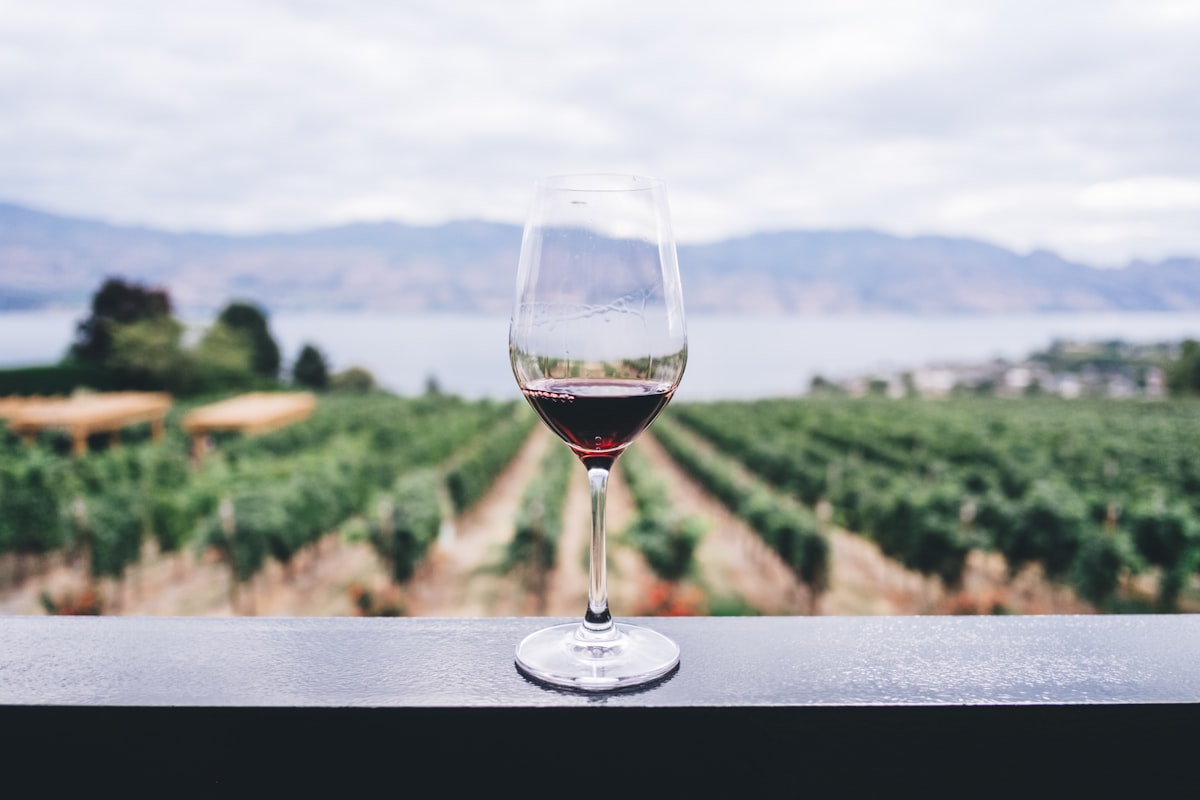
Wineries that close the sensory gap — aligning tasting room visual, auditory, and olfactory design with their brand identity — generate 47% more unprompted social media mentions than those with sensory-incoherent spaces. Social sharing from tasting room visits is triggered by shareable moments: a striking visual, an unexpected sensory detail, an environment that feels worth showing. When the tasting room design is generic (standard winery aesthetic, background music not chosen for brand fit, no distinctive sensory signature), visitors experience it but don’t photograph or post about it. The 47% mention gap is not a marketing budget gap — it is a sensory design gap that determines whether the visit is worth sharing.
Most tasting room staff are trained to inform. The best are trained to connect.
One question type emerges as the highest predictor of conversion: “What brings you to wine country today?”
Not “Have you been here before?” Not “What wines do you enjoy?”
This specific question, asked within the first 2 minutes, may correlate with:
- Higher conversion to club membership.
- Higher average purchase value.
- More positive online reviews.
Why it works:
- Reveals true motivations (celebration, exploration, relaxation).
- Enables personalized experience design.
- Creates immediate emotional connection.
- Provides context for everything that follows.
But staff psychology goes beyond one question. Strategic scent layering in the tasting room environment compounds these results:
- Tasting-to-club conversion climbing toward the elite tier (around 25%, where top performers sit).
- Average spend increasing.
- Most members mentioning “atmosphere” in feedback (far more than before).
- Social media mentions rising after implementation.
Most winery owners discover they’re strong in 2-3 sensory areas while completely blind to 1-2 others. Those blind spots? That’s where your conversion gap lives.
For experience-focused wineries, the right question at the right time isn’t small talk—it’s revenue strategy. And the right environmental design isn’t aesthetics—it’s conversion architecture.
What questions have transformed your tasting room results?
