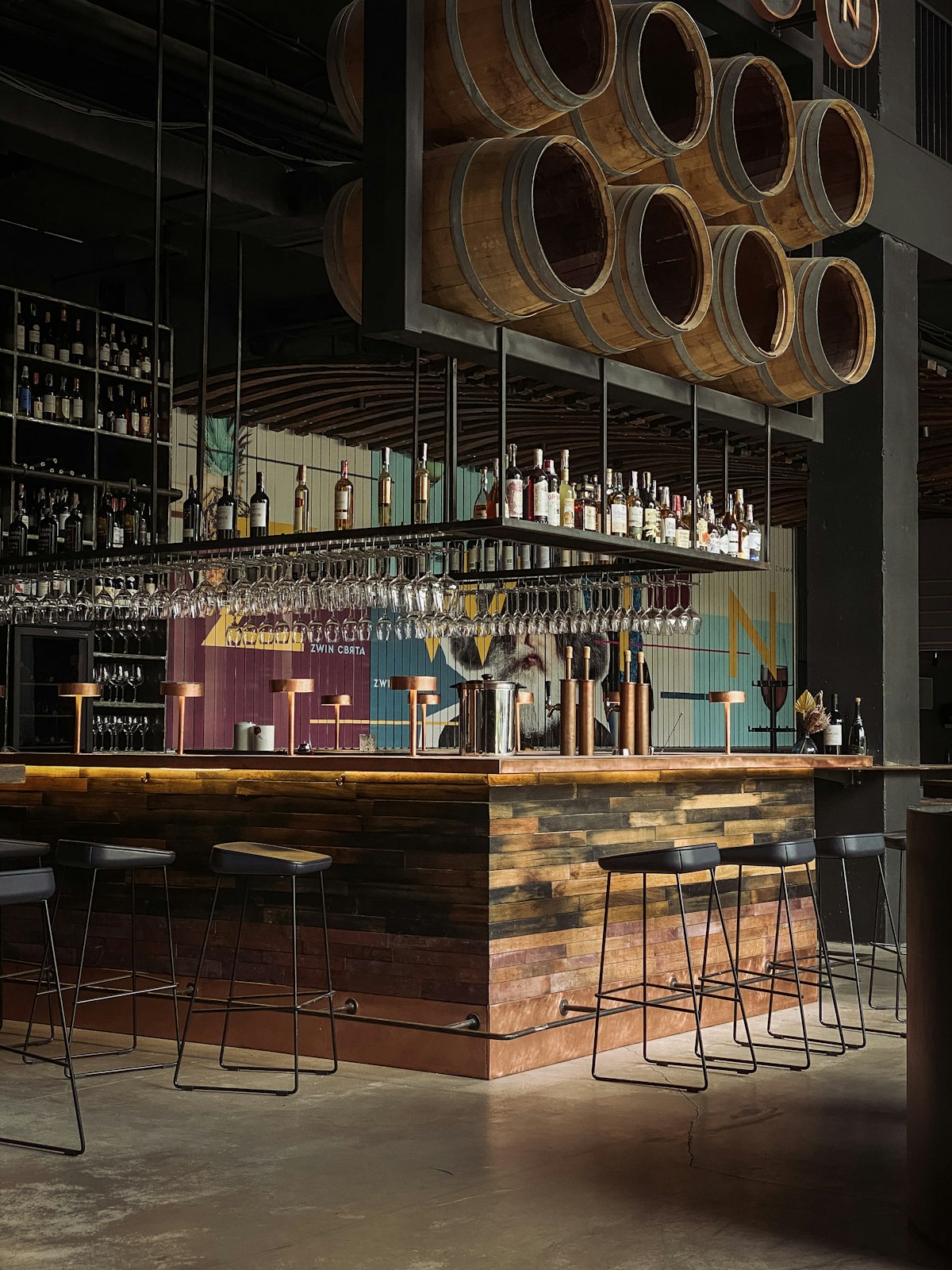
Premium wine quality does not convert visitors into buyers or club members on its own — purchase decisions in tasting rooms are driven by experience design, not product excellence. Research on tasting room conversion shows that staff storytelling ability, environmental design, and the emotional arc of the visit are stronger predictors of purchase and club enrollment than objective wine scores or price-to-quality ratio. Visitors who cannot distinguish a 92-point wine from a 95-point wine will consistently choose the bottle associated with a memorable story or a moment of genuine connection. The wine earns the consideration set; the experience closes the sale.
Your tasting room’s physical design functions as a silent salesperson working around the clock—but recent research reveals most wineries accidentally sabotage their own sales through operations-focused layouts.
After studying spatial psychology across tasting rooms and correlating layout with conversion data, strategic environmental design strongly influences purchasing decisions—often more than people assume.
The uncomfortable truth? Your beautiful space might be unconsciously repelling purchases.
The psychology driving tasting room revenue
Comfort zones: Optimal interpersonal distances vary dramatically by customer personality types—get this wrong, and many visitors feel uncomfortable enough to leave without purchasing.
Visual anchoring: What visitors see first shapes their entire experience expectations—most wineries accidentally anchor on operations rather than premium experiences.
Movement patterns: Natural flow affects engagement duration and purchase likelihood—the wrong pattern cuts visit length and purchase intent.
Sensory staging: Environmental cues trigger subconscious buying behaviors—most spaces accidentally signal “browsing” instead of “purchasing.”
How psychology-aware wineries engineer conversions
Experience-focused wineries deliberately design every element for psychological impact:
- Create intimacy zones for couples and small groups (highest purchase intent demographics).
- Position premium wines at natural stopping points where decision-making feels comfortable.
- Use lighting and sightlines to focus attention on value messaging rather than operations.
- Design “commitment moments” where purchase decisions feel natural, not pressured.
The revenue impact of conscious spatial design
Vineyard views: Connecting product to place increases purchase intent across visitor types.
Comfortable seating: Extends visit duration, directly correlating with higher engagement and purchase likelihood.
Strategic bottle displays: Properly positioned inventory sells faster than randomly placed products.
Conversation nooks: Private spaces generate higher average order values by creating psychological comfort for decision-making.
Your implementation roadmap
The wineries seeing breakthrough results follow this psychology-first approach:
- Map current visitor flow and identify bottlenecks or moments where customers feel rushed or uncomfortable.
- Test one major psychological change at a time to measure specific impact on purchase behavior.
- Survey customers about comfort and engagement levels to understand their unconscious responses.
- Correlate spatial changes with sales metrics over time to validate psychological impact.
For experience-focused wineries, your space should psychologically guide purchasing decisions while telling your brand story naturally.
The research is clear: environmental psychology drives purchasing decisions more than wine quality. Most wineries design for operational efficiency and hope psychology takes care of itself.
Your space either psychologically supports sales or unconsciously sabotages them. There’s no neutral ground.
Ready to discover what your current layout is unconsciously communicating to visitors? The psychology of space determines the psychology of purchase. Stop leaving revenue to chance.
