Restructuring the final 15 minutes of the tasting room experience — the transition from last pour to departure — can add $77,000 or more to annual revenue for a mid-volume boutique winery by increasing both average transaction value and wine club enrollment rate in that window. The closing sequence is the highest-leverage moment in a tasting room visit: guests have formed their emotional impression, purchase intention is at its peak, and the next conversation either closes or loses the opportunity. Wineries that script this moment — with a clear club enrollment conversation, a take-home recommendation tied to the guest’s response to, and a genuine next-visit invitation — consistently capture revenue that unstructured closings leave on the table.
Your tasting room’s hidden influence controls every purchase decision—but most wineries design for Instagram rather than psychology. The results challenge everything the design industry tells you about “beautiful” tasting rooms.
The uncomfortable reality: Sensory environment influences purchasing behavior more than wine quality.
Your space is either silently generating revenue or unconsciously repelling buyers. There’s no middle ground.
The Revenue Psychology Framework
Strategic manipulation of four sensory channels creates measurable conversion improvements:
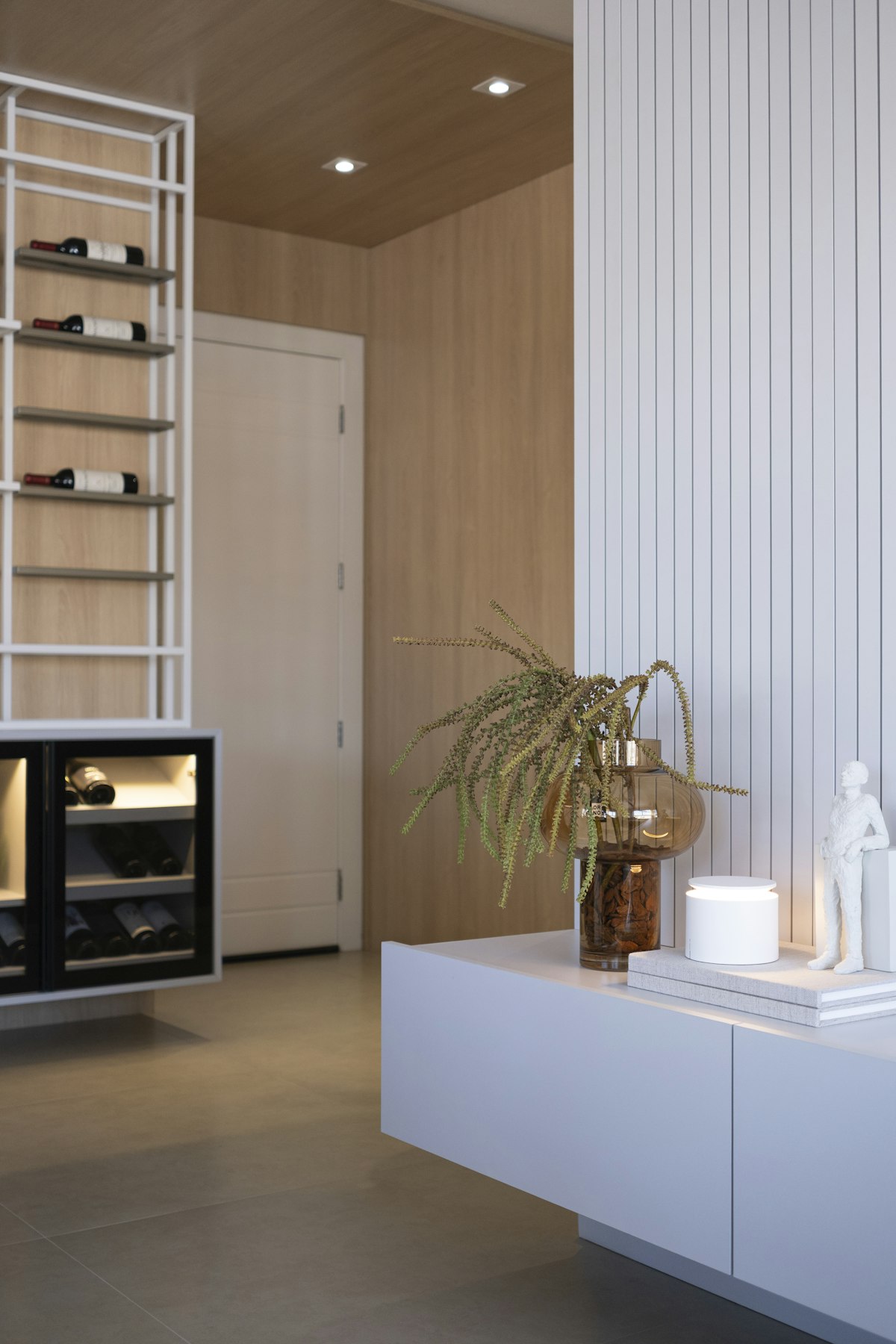
Visual Psychology Triggers: Warm lighting enhances perceived wine quality. Color temperature directly affects willingness to pay premium prices. Spatial design subconsciously influences purchase intent through psychological comfort zones.
Auditory Environment Engineering: Background sound selection impacts perceived wine value. Natural elements (flowing water, gentle ambient music) may extend visit duration. Acoustic design enables intimate conversation while maintaining purchasing ambiance.
Olfactory Influence Strategy: Carefully chosen ambient fragrances complement rather than compete with wine aromatics. Scent layering creates emotional connection beyond taste experience. Subtle fragrance progression guides visitors through purchasing journey.
Tactile Experience Integration: Physical textures create memorable brand associations. Temperature variation affects comfort and dwell time. Different materials (wood, stone, fabric) reinforce brand narrative through unconscious sensory memory.
High-Impact Revenue Optimization Techniques
The highest-converting boutique wineries implement four specific strategies.
- Lighting Coordination for Wine Styles: Different zones require lighting designed for specific varietals. Warm tones enhance red wine perception. Cooler lighting improves white wine appreciation. Zone-specific design guides customers through optimal tasting sequence.
- Sound Zoning for Conversation Control: Acoustic design balances ambient atmosphere with conversation ability. Background levels calibrated for intimate discussion without overwhelming wine focus. Sound masking prevents neighboring conversations from disrupting buying decisions.
- Complementary Scent Design: Ambient fragrances enhance wine aromatics without interference. Seasonal scent adaptation aligns with wine releases and environmental changes. Subtle intensity prevents olfactory fatigue during extended tastings.
- Tactile Storytelling Elements: Physical elements reinforce brand narrative through touch. Temperature variations create memorable experiences. Material choices support pricing psychology and brand positioning.
Implementation Priorities for Revenue Optimization
Immediate Assessment Opportunities:
- Lighting Impact Analysis: Evaluate current lighting for psychological effect on wine perception and purchase intent.
- Acoustic Conversion Testing: Measure conversation ability and ambient sound influence throughout space.
- Scent Strategy Development: Create fragrance program that complements rather than competes with wine aromatics.
- Tactile Experience Integration: Add physical elements that reinforce brand story and create purchasing-positive experiences.
Sensory Design Principles That Drive Revenue
Subtlety Over Stimulation: Gentle sensory enhancement rather than overwhelming activation prevents decision fatigue.
Wine Complementarity Focus: All sensory elements must enhance rather than distract from wine evaluation process.
Emotional Brand Consistency: Sensory design reinforces brand personality and supports premium pricing psychology.
Seasonal Revenue Adaptation: Sensory elements evolve with wine releases and environmental changes to maintain purchasing relevance.
The Business Reality: For boutique wineries producing 5,000-10,000 cases annually, sensory design isn’t decoration—it’s revenue psychology that influences every purchasing decision.
Wineries achieving significant additional annual revenue understand this distinction. They design for conversion, not compliments.
Your current space is either unconsciously supporting sales or sabotaging them. The choice is recognizing which pattern you’re creating.
What sensory design adjustments could immediately improve your tasting room’s conversion performance?
