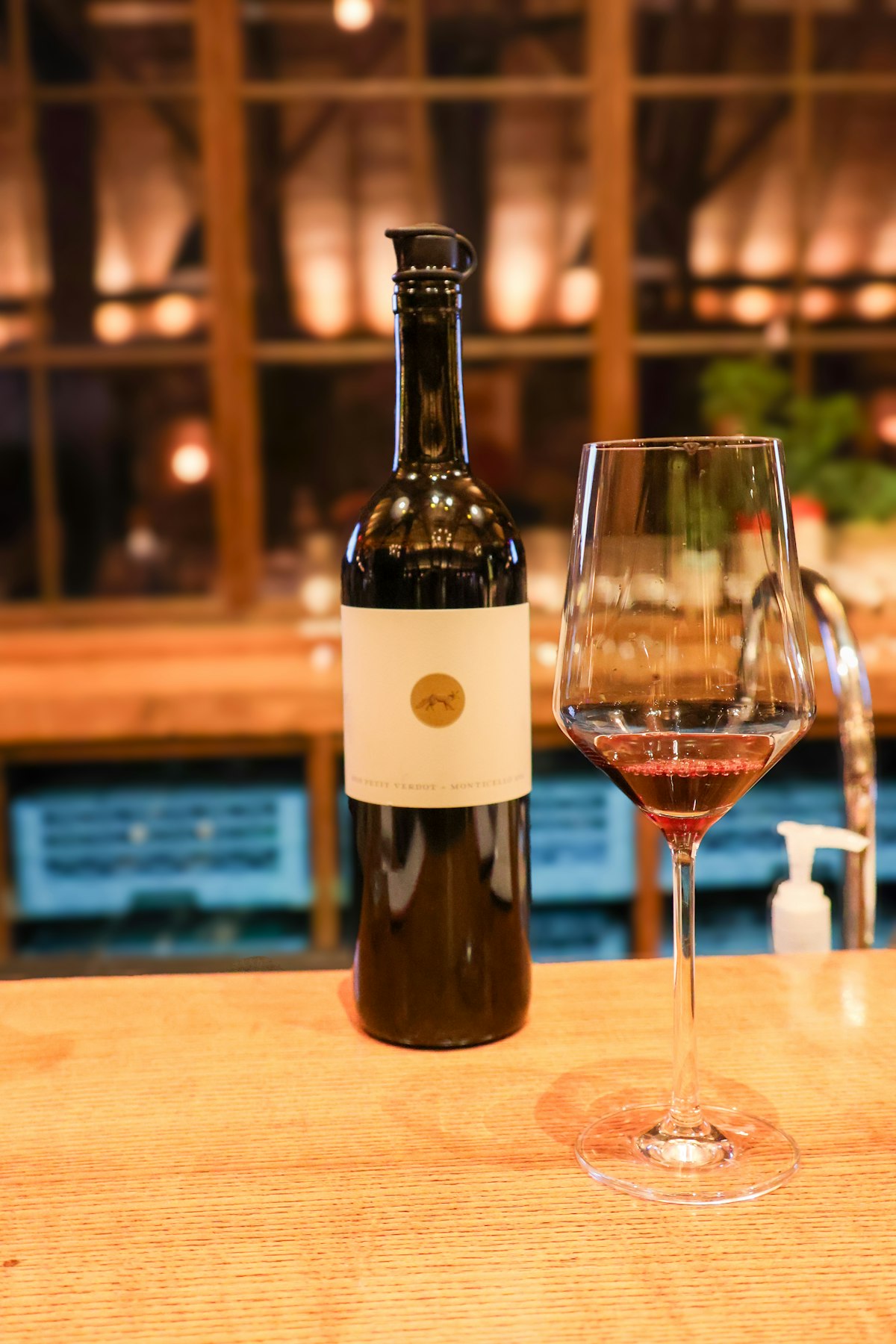
Tasting room purchase decisions are largely made within the first 90 seconds of entry — before a single wine is poured — based on environmental cues that signal price tier, brand personality, and a sense of belonging. Layout, lighting temperature, surface materials, scent, and ambient sound collectively set a psychological price anchor. A visitor who enters a space that reads as premium and welcoming arrives at the bar already predisposed to higher-tier selections. Wineries that optimize only the pour — wine education, staff scripts, pairing notes — while ignoring spatial design leave significant conversion revenue uncaptured.
Your tasting room is influencing buying decisions for visitors before they take their first sip.
Most winery owners see their space as beautiful. I see it as behavior architecture.
If your space has stunning marble counters, perfect lighting, and Instagram-worthy vineyard views, the psychology may tell a different story.
Your current space likely focuses on:
- Visual appeal.
- Operational workflow.
- Brand storytelling.
Technology-aligned Hospitality Virtuoso design prioritizes:
- Psychological comfort mapping.
- Behavioral flow patterns.
- Subconscious purchasing triggers.
- Data-driven spatial optimization.
The WISE Service Assessment Reveals Critical Gaps That Some Wineries Miss
- Signals (your current data): Current conversion rates, visitor flow patterns, engagement duration, and purchase decision points.
- Education (processed insights): Environmental psychology research shows specific spatial elements that influence purchasing behavior in experiential retail environments.
- Insights (applied knowledge): Strategic placement of design elements can meaningfully increase conversion rates within 90 days.
- Wisdom (strategic implementation): Your space becomes a silent sales team member working around the clock.
Four high-impact changes that can be implemented:
- Sightline engineering: Clear vineyard views increase purchase intent.
- Intimacy zone creation: Spaces designed for 4-6 people convert better than open areas.
- Strategic touchpoints: Physical interaction opportunities boost engagement.
- Psychological transition moments: Movement between spaces creates mental “resets” that improve decision clarity.
Possible results after 90 days from implementation:
- Conversion rate jumped meaningfully.
- Visitor engagement duration extended.
- Purchase confidence improved.
- Staff relationship-building became more effective.
Technology alignment assessment includes:
- Physical heat mapping for visitor flow analysis.
- POS system optimization for conversion tracking.
- Mobile app integration for personalized experiences.
- CRM integration for follow-up automation.
Your tasting room is either accelerating sales or creating friction. Do not guess which one: measure and optimize instead.
Read more about turning your space into a conversion engine to apply these principles to your winery.
