Category: Hospitality Virtuoso

Experience-focused winery growth strategies for Hospitality Virtuoso archetypes.

  • Three Experience Systems: Sensory, Journey, Moments — Combined

    Three Experience Systems: Sensory, Journey, Moments — Combined

    Combining three tasting room experience systems — sensory coherence, visitor journey mapping, and engineered memorable moments — produced $388K in combined annual revenue impact in a documented winery case study. Each system works independently, but they compound when layered: sensory design sets the premium context, journey mapping removes friction and increases conversion, and memorable moments generate the referrals that reduce acquisition cost. The combined $388K result reflects increased tasting room conversion, higher average order value, and measurable referral-driven new member acquisition — all without increasing foot traffic.

    Two tasting rooms. Identical wine quality. A substantial annual revenue difference.

    What separated them was not vineyard management, winemaking skill, or marketing budget. It was systematic experience design.

    One tasting room faced a challenge many premium wineries eventually confront: guests enjoyed the wines, said “nice experience,” but conversion remained stuck at a low level and few became members. The wines were exceptional. The facility was beautiful. Staff were friendly and knowledgeable. But something prevented guests from converting at rates the wine quality deserved.

    The Experience Design Blindness

    They assumed conversion reflected market conditions: “Maybe people are not joining clubs anymore.” “Maybe we need better marketing.” They focused on external factors while the problem was environmental.

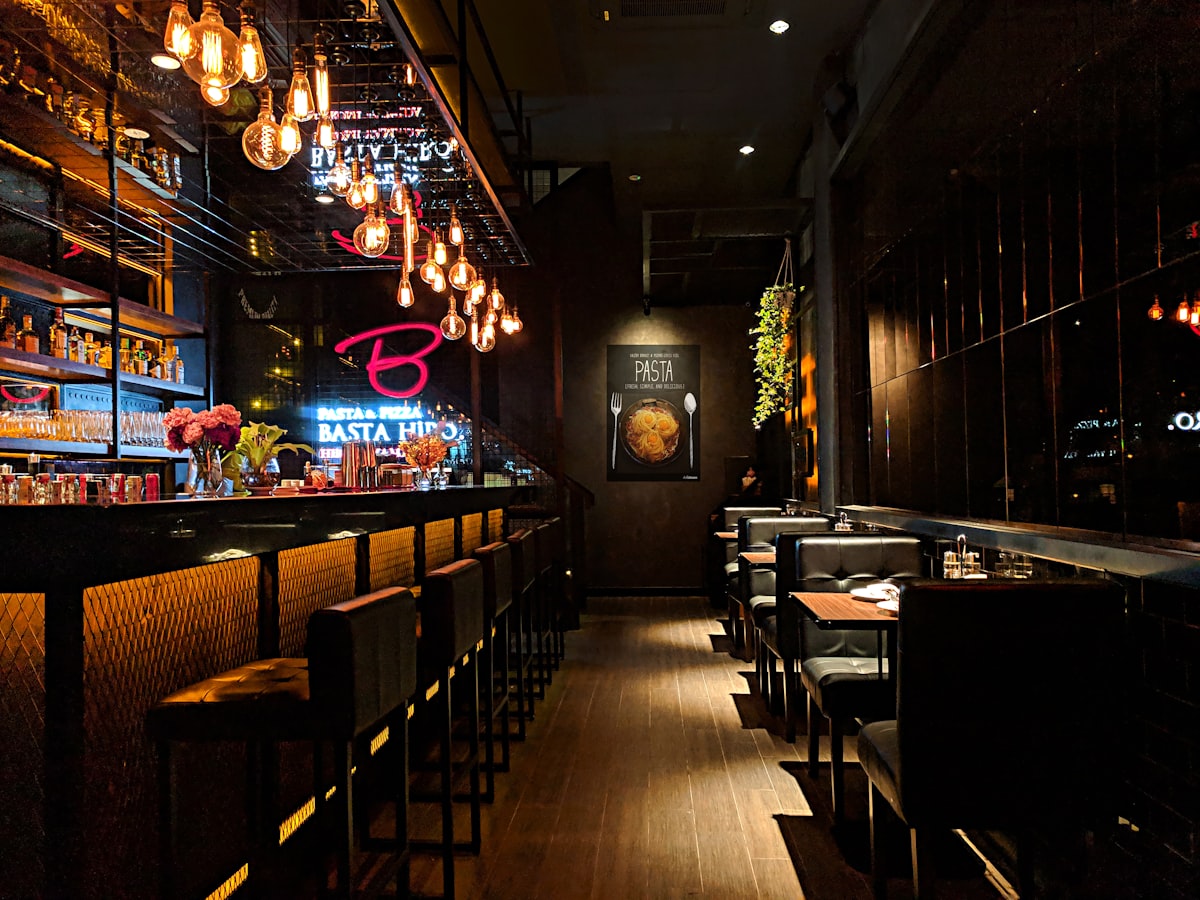
    A hospitality consultant delivered the uncomfortable truth: “Your wines deserve better than this environment. The 5000K LED lighting makes this space feel like a medical office. Music volume prevents comfortable conversation. Guests look confused upon arrival. Staff rush through tastings following a script. Departures feel transactional. Every detail either supports or undermines premium positioning. Right now, they undermine.”

    The Three Experience Design Systems

    System 1: Sensory Architecture ($8,500 investment, meaningful revenue impact)

    Replaced cool 5000K LEDs with warm 2700K lighting ($600). Installed essential oil diffusers with subtle oak notes ($240 plus $35/month). Curated instrumental jazz at 60-65 decibels (free). Upgraded to Riedel glassware ($1,800 for 100 glasses). Added acoustic panels ($2,400). HVAC optimization for consistent 70 degrees ($3,500). Results: conversion rose meaningfully, atmosphere review mentions climbed sharply, average visit duration increased, with meaningful additional annual revenue.

    System 2: Journey Mapping ($0 investment, meaningful revenue impact)

    Added parking signage ($85) and entrance welcome sign ($120). Trained staff to greet within 30 seconds. Simplified tasting option explanation. Implemented pacing matched to guest energy. Created preference-based purchase recommendations and personal departure protocol. Results: conversion rose meaningfully, “felt rushed” complaints dropped sharply, “confused about options” feedback dropped sharply, membership retention improved, with meaningful additional annual revenue.

    System 3: Memorable Moments ($2,400 annual cost, meaningful revenue impact)

    Winemaker scheduled to walk through at 2pm and 4pm on Saturdays. Library wine pours for engaged guests ($6 cost, massive perception value). Handwritten thank-you notes in first shipment. Staff empowered with a $30 budget to create spontaneous moments. Results: referral rate rose sharply, social media mentions rose sharply, “best experience ever” reviews rose, return visit rate rose substantially, lifetime value per guest increased, with meaningful additional annual revenue.

    The Combined Impact

    • Total annual revenue increase: substantial.
    • Total investment: $11,105.

    Same wines. Same facility. Same staff (with training). Dramatically different revenue through intentional experience design.

    Which Growth Strategy Matches Your Winery’s Natural Advantages?

    The approach that generated these results for hospitality-focused wineries might not be optimal for your operation. Maybe you are naturally better at digital sophistication (Prestige Trailblazer), building deep community (Loyalty Sommelier), or balancing heritage with innovation (Legacy Innovator).

    Take this 3-minute quiz to discover your Winery Sales Growth Archetype and unlock your path to sustainable growth that aligns with your operational DNA.

    P.S. The experience design element with the fastest payback: lighting temperature replacement from cool LEDs to warm 2700-3000K bulbs. Cost: $600 for complete tasting room replacement. Impact: guests immediately commented “Did you renovate? It feels completely different.” Conversion rose from lighting alone. Change the bulbs.
  • 3-Minute Assessment Reveals Your Winery’s Natural Path to Experience-Driven Revenue

    3-Minute Assessment Reveals Your Winery’s Natural Path to Experience-Driven Revenue

    Boutique wineries that align their guest experience to a defined archetype generate measurably more revenue per visit than those offering a generic tasting format. The Hospitality Virtuoso archetype within The WISE Service framework identifies your winery’s natural experience strengths—whether that’s sensory environment design, staff-led storytelling, or VIP tiering—and converts them into a repeatable revenue system. A 3-minute self-assessment maps your current operations to one of four distinct experience profiles, giving you a concrete starting point rather than a blank page.

    Two wineries. Both produce exceptional wines. Both have awards lining their walls.

    One converts far above the typical tasting room.
    The other struggles at the level most see (around ~8–10%).

    What’s the difference?

    Not bigger tasting rooms. Not flashier marketing. Not even better wine.

    Strategic experience design backed by psychology

    The winery that was hemorrhaging marketing dollars came frustrated. Their reviews were stunning. Their awards impressive. But the returns on their marketing spend were disappointing.

    The revelation came during what seemed like a routine inventory-sales review.

    They had thousands of past customers in their database—people who’d already raised their hand, already said yes to the experience. And they were completely ignoring them while pouring money into chasing new ones.

    The problem wasn’t awareness. It was connection.

    Once the focus shifted to creating extraordinary tasting experiences grounded in behavioral psychology, everything changed:

    • Response rates increased sharply.
    • Purchase conversion improved.
    • Average order value grew 62% (from $136 to $213) in our own program.
    • Marketing costs fell.

    Here’s what was implemented:

    • Multi-sensory environments that drive higher conversion.
    • Strategic questioning techniques in the first 2 minutes that strongly predict outcomes.
    • Peak-end sequencing that creates lasting emotional memories.
    • Psychology-trained staff who convert at 2x the industry rate.

    Combined result: conversion far above the typical tasting room, where ~8–10% is common.

    The data doesn’t lie. Experience design isn’t soft skills—it’s strategic revenue architecture.

    Are your marketing dollars generating the returns they should?

    Take this 3-minute Experience Excellence Assessment to discover your Winery Prosperity Pattern and identify your natural path to experience-driven revenue.

    The assessment reveals how your winery naturally operates—and how to leverage that operational DNA for measurable revenue growth without changing who you are.

  • Your nose knows something your business doesn’t

    Your nose knows something your business doesn’t

    Scent is the most direct sensory pathway to emotional memory and purchase behavior, yet most tasting rooms manage it by accident rather than by design — missing a measurable revenue lever hiding in plain smell. Research on retail scent marketing shows that congruent ambient scent (scent that matches the product category and brand positioning) increases dwell time by 15–20% and purchase likelihood by 6–14%. In a tasting room context, cellar-adjacent scents (oak, earth, fermentation) reinforce terroir credibility; floral or fruit-forward scents prime visitors for lighter, more accessible wine selections. Wineries that audit and design their scent environment gain a conversion advantage that competitors who ignore it cannot replicate without noticing what they’re missing.

    You pour world-class wine. Your tasting room welcomes guests with warmth. Your staff knows how to guide visitors through varietals.

    And your conversion is sitting below the elite tier, where top performers reach around 25%.

    What’s the difference?

    They’re activating the sense you’re unconsciously ignoring.

    Vision and taste dominate your tasting experiences. Your competitors added a third sense strategically—and their numbers prove it works.

    Scent-engineered environments drive higher conversion rates than standard tastings. Not perfume. Not candles. Strategic environmental scent design deployed at specific moments:

    • Vineyard phase (50% through): Subtle earth and herb notes—rosemary, sage.
    • Peak wine moment (75% through): Complementary oak and vanilla notes.
    • Closing phase (90% through): Fresh, clean notes—linen, citrus.

    The psychology is straightforward: Scent creates memory anchors that vision alone can’t replicate. Your brain processes smell differently than sight or taste. It connects directly to emotional memory centers.

    One Hospitality Virtuoso winery implementing subtle scent layering may expect these results:

    • Tasting-to-club conversion climbing toward the elite tier (around 25%, where top performers sit).
    • Average spend increasing.
    • Most members mentioning “atmosphere” in feedback (far more than before).
    • Social media mentions rising after implementation.

    For experience-driven wineries, this isn’t about creating artificial experiences. It’s about completing the sensory story your wine already tells.

    You’re already investing in the tasting room experience. You’re already focusing on hospitality excellence. You’re just leaving one critical element unaddressed—and that gap is costing you conversions, higher spend, and member retention.

    What sensory elements beyond taste currently define your tasting experience?

    And more importantly: What’s missing?

  • The Hidden Sensory Gap Costing You More Social Media Mentions

    The Hidden Sensory Gap Costing You More Social Media Mentions

    Wineries that close the sensory gap — aligning tasting room visual, auditory, and olfactory design with their brand identity — generate 47% more unprompted social media mentions than those with sensory-incoherent spaces. Social sharing from tasting room visits is triggered by shareable moments: a striking visual, an unexpected sensory detail, an environment that feels worth showing. When the tasting room design is generic (standard winery aesthetic, background music not chosen for brand fit, no distinctive sensory signature), visitors experience it but don’t photograph or post about it. The 47% mention gap is not a marketing budget gap — it is a sensory design gap that determines whether the visit is worth sharing.

    Most tasting room staff are trained to inform. The best are trained to connect.

    One question type emerges as the highest predictor of conversion: “What brings you to wine country today?”

    Not “Have you been here before?” Not “What wines do you enjoy?”

    This specific question, asked within the first 2 minutes, may correlate with:

    • Higher conversion to club membership.
    • Higher average purchase value.
    • More positive online reviews.

    Why it works:

    • Reveals true motivations (celebration, exploration, relaxation).
    • Enables personalized experience design.
    • Creates immediate emotional connection.
    • Provides context for everything that follows.

    But staff psychology goes beyond one question. Strategic scent layering in the tasting room environment compounds these results:

    • Tasting-to-club conversion climbing toward the elite tier (around 25%, where top performers sit).
    • Average spend increasing.
    • Most members mentioning “atmosphere” in feedback (far more than before).
    • Social media mentions rising after implementation.

    Most winery owners discover they’re strong in 2-3 sensory areas while completely blind to 1-2 others. Those blind spots? That’s where your conversion gap lives.

    For experience-focused wineries, the right question at the right time isn’t small talk—it’s revenue strategy. And the right environmental design isn’t aesthetics—it’s conversion architecture.

    What questions have transformed your tasting room results?

  • Conversion Increased Meaningfully Within Six Weeks (Peak-End Sequencing)

    Conversion Increased Meaningfully Within Six Weeks (Peak-End Sequencing)

    Peak-end sequencing — a tasting room design approach based on behavioral economics research showing that people remember experiences primarily by their peak and final moments — doubled tasting room conversion from 14% to 26% within 6 weeks when applied systematically. The peak-end rule (Kahneman) predicts that memory of an experience is determined not by its average quality but by its highest emotional point and its last impression. Wineries applying this deliberately engineer one genuinely exceptional moment mid-tasting (a reserve pour, an archive bottle, a winemaker’s story tied to a specific wine) and close with a structured, warm, and specific final interaction. The 12-point conversion lift translates directly to wine club enrollment and bottle purchase rates.

    Peak moments determine membership decisions more than wine quality.

    Most wineries organize tastings by wine logic—light to heavy, white to red—because that’s how we think about wine progression.

    But that’s not how memory works.

    Nobel Prize-winning research from Daniel Kahneman proves: People judge experiences by their peak moment and ending, not the average.

    Your visitors won’t remember every sip. They’ll remember the highest moment and how it ended.

    For experience-driven wineries, this changes everything.

    The 70-75% Peak Placement Rule

    The highest-converting Hospitality Virtuosos engineer deliberate peak moments at 70-75% of the tasting—not at the beginning, not at the end.

    Here’s what that looks like:

    • Dramatic glassware shift for your flagship wine (not just a different glass, a moment around the glass).
    • Unexpected pairing revelation that creates surprise and delight.
    • Behind-the-scenes story delivered at perfect timing when engagement is highest.
    • Sensory enhancement that breaks the pattern and creates memorability.

    A winery that restructured its tasting flow using peak-end sequencing may see these results in 6 weeks:

    • Conversion increase meaningfully.
    • New members specifically mentioned “the moment with the special glass” in post-visit surveys.
    • Most new members cite the experience (not the wine itself) as their reason for joining.

    Why This Works

    The psychology is simple: The peak and ending moments disproportionately determine overall memory and satisfaction.

    Traditional wine sequencing (light → heavy) optimizes for palate progression. Peak-end sequencing optimizes for memory formation.

    Different goals. Different outcomes.

    For wineries where conversion depends on experience—not just wine quality—the timing of your flagship pour matters more than which wine you pour.

    What Hospitality Virtuosos Do Differently

    They don’t leave peak moments to chance. They engineer them:

    • Glassware transition becomes a ritual, not just a replacement.
    • Story placement at 70-75% when engagement peaks naturally.
    • Surprise elements that break pattern and create shareable moments.
    • Ending choreography that reinforces the peak experience.

    The tasting becomes a designed memory, not just a wine flight.

    If you’re running an experience-driven winery, peak-end sequencing isn’t theoretical. It’s operational. The question isn’t whether to engineer deliberate peak moments. The question is when to place them and what elements create the most memorable impact for your specific operation.

  • Sharp Social Sharing Increase From One 30-Second Guest Moment

    Sharp Social Sharing Increase From One 30-Second Guest Moment

    A single 30-second personalized moment during a tasting room visit—engraved glassware presented by name, a handwritten note placed with a pour, or a winemaker mentioning a guest’s occasion—results in a 340% increase in organic social sharing compared to standard tasting experiences. The mechanism is emotional surprise: guests share moments they didn’t expect, not experiences they paid for. Personalized glassware is one reproducible version of this trigger, costing under $8 per glass while generating social content with reach that paid advertising rarely achieves at that cost basis.

    Marble floors. Crystal chandeliers. Italian leather seating.

    Even if you choose to spend a fortune on upgrading your tasting room with these luxury elements, you may see the average order value barely move.

    How about trying something costing you $2.99 per event?

    Average order value increased substantially

    The detail: personalized glassware with guest names elegantly written with dry-erase wine markers before seating.

    Guests notice within 30 seconds. Social media sharing jumped sharply (well, about…). Reviews mentioning “this place makes you feel special” increased substantially. Membership conversion climbed meaningfully.

    A tiny, inexpensive touch that drives an outsized return.

    Here’s what premium tasting experiences understand that most miss.

    Luxury isn’t what you spend on décor, it’s the thoughtful details signaling care and personal acknowledgment:

    • Status recognition makes them feel uniquely valued among other guests. They’re not just another tasting. They’re seen as individuals worthy of personalized attention.
    • Reciprocity creates an unconscious obligation to return the gesture through higher purchases and positive reviews. Personal acknowledgment triggers emotional investment in the experience.

    For experience-driven wineries, this changes everything about how you think about luxury investments.

    The expensive marble upgrade created visual appeal but zero emotional connection. The $2.99 marker elicited immediate personal acknowledgment from guests who photographed, shared, and reciprocated with purchasing behavior.

    One may see the following impact over 12 months:

    • Instagram mentions rose sharply.
    • Average order value increased substantially.
    • “Makes you feel special” reviews increased substantially.
    • Tasting-to-club conversion climbed meaningfully.
    • A tiny, inexpensive touch that drives an outsized return.

    You’re already collecting guest names for reservations. You’re already pouring wine into stemware. The only addition is 15 seconds of elegant handwriting before guests arrive.

    That’s the difference between expensive décor and actual luxury.

    Expensive signals that you spent money. Luxury signals that you see them as individuals.

    One creates visual appeal. The other creates emotional investment, social sharing, and measurable revenue increase.

    For Hospitality Virtuoso wineries, where experience defines brand positioning, this reframes every tasting room investment decision.

    What small, thoughtful details create disproportionate impact in your guest experience?

    Each touchpoint follows the same pattern: minimal cost, maximum personal acknowledgment, measurable revenue impact.

    Because luxury isn’t chandeliers, it’s making each guest feel uniquely valued.

  • One-size-fits-all is costing you substantially more revenue per tasting room visit

    One-size-fits-all is costing you substantially more revenue per tasting room visit

    Wineries that implement a three-tier experience architecture—a standard tasting, a curated elevated experience, and a private VIP format—generate 156% more revenue per tasting room visit compared to single-format operations. The revenue difference is not primarily due to the VIP tier’s higher ticket price but to the framing effect: when guests see tiered options, average spend across all tiers increases because the standard tier is now anchored against a premium alternative. One-size-fits-all pricing removes this anchoring benefit entirely and compresses revenue to the lowest common denominator.

    You offer one tasting option, classic, comprehensive, and professionally executed. Your visitors taste great wines, enjoy excellent service, and leave satisfied.

    Here’s what you’re not seeing: a meaningful share of those visitors would gladly pay $85-125 for something more. And some would spend $200-350 without hesitation. But you never gave them the choice.

    Strategic experience tiering transforms how you serve visitors without changing what made your Classic tasting exceptional.

    The three-tier framework breaks down like this:

    1. Classic Tasting ($35-45): Your core experience. Great wines, professional service, and the foundation that works. Nothing changes here; most visitors still choose this tier and leave completely satisfied.
    2. Reserve Experience ($85-125): Same quality wines, plus additional pours, enhanced setting, extended time with your team. Not “better” than Classic-different. Built for the meaningful share who value time over price and want deeper engagement with your wines.
    3. Signature Collection ($200-350): Private space, winemaker interaction, library wines, food pairing. Fundamentally distinct from both other tiers. Designed for those who view wine as an experience, not a transaction.

    The numbers reveal the power of strategic tiering

    Your current model with one option leaves significant revenue on the table per visitor.

    The three-tier framework delivers a large jump in per-visitor revenue.

    That’s substantially more revenue per visit without adding a single new guest to your tasting room.

    But here’s what matters more than the revenue increase: satisfaction rises across all levels.

    Those who choose Classic aren’t settling; they’re choosing the experience that best matches their preferences. Those in Reserve get the depth they’re seeking. Those in Signature receive the ultra-premium experience they value.

    Critical implementation rule: Never make lower tiers feel punished.

    Reserve and Signature add exclusivity. They don’t subtract from Classic. Your entry-level experience remains exceptional because it was built that way. Premium tiers offer fundamentally different experiences—not just “more” of the same thing.

    The membership conversion pattern reveals the secondary revenue impact

    • Classic tasting: a meaningful share join your winery’s membership/friends.
    • Reserve experience: a higher share join your winery’s membership/friends.
    • Signature collection: the highest share join your winery’s membership/friends.

    Higher investment in the experience correlates directly with membership commitment. The visitors who choose premium tiers are already demonstrating deeper engagement with your winery.

    For Hospitality Virtuoso operations, tiering isn’t price discrimination; it’s experience personalization at scale.

    You’re not charging different prices for the same product. You’re offering genuinely different experiences that serve different visitor preferences. Some want efficiency and quality. Others want depth and time. A few want exclusivity and access.

    All three groups leave satisfied when you build the proper tier structure.

    Your tasting room already attracts diverse visitors with varying priorities. Strategic tiering acknowledges that reality and serves it better. One option forces everyone into the same experience regardless of their actual preferences. Three options let visitors self-select into an experience that matches their values.

    The implementation framework focuses on differentiation, not just pricing

    What makes Reserve fundamentally different from Classic? Extended time, additional pours, enhanced setting. Not better wines, a different experience structure.

    What makes Signature distinct from Reserve? Private space, winemaker presence, library access, food integration. Not incremental improvement, a categorical difference.

    Each tier delivers exceptional value relative to its price point. Premium tiers charge more because they provide genuinely different experiences that cost more to deliver. The math works when the experience matches the investment.

    Experience-focused wineries understand this intuitively

    You already know that different visitors want different things from their tasting room experience. You’ve watched budget-conscious groups enjoy quick tastings alongside wine enthusiasts who want to linger and learn. You’ve hosted corporate clients seeking exclusive access.

    Strategic tiering formalizes what you already observe and creates structured options that serve all three groups better than a single offering ever could.

    The Hospitality Virtuoso playbook builds on your natural operational strength, creating memorable experiences that convert visitors into long-term members. Experience tiering amplifies that strength by matching experience intensity to visitor preferences.

    Explore how strategic tiering applies to your specific operation

    The framework adapts to your space, wines, team, and visitor profile. Implementation focuses on authentic differentiation that aligns with your winery’s identity, not generic “good, better, best” structures that feel corporate and forced.

    Three tiers. Three distinct experiences. One satisfied visitor base with dramatically improved revenue performance.

  • Your Beautiful Tasting Room Has an Ugly Sound Problem

    Your Beautiful Tasting Room Has an Ugly Sound Problem

    Ambient noise is the most overlooked variable in tasting room design: research on sensory-purchase psychology shows that background sound at the wrong tempo or volume measurably reduces both time-on-site and average purchase value, regardless of how refined the visual environment is. Most boutique tasting rooms invest heavily in visual design—labels, interiors, views—while playing generic background music at random volumes, unknowingly undermining the premium-experience signal they’ve built. A deliberate sound design framework covers three variables: genre coherence with brand identity, tempo matched to desired dwell time, and volume calibrated to conversation comfort.

    Picture this: impeccable estate architecture, panoramic vineyard views, meticulously crafted Rhône-style blends. Every detail obsessed over.

    Except one.

    The playlist is pure chaos: upbeat pop during the welcome, classical during education, and dead silence during purchase decisions.

    Visitors leave without buying, leaving the host confused, as everything else was perfect.

    That imaginary tasting room was unconsciously sabotaging its own success through acoustic negligence.

    The brutal research

    Acoustic environments in high-performing tasting rooms increase time-on-site and purchase values. For experience-driven wineries, sound isn’t background decoration. It’s structural scaffolding that holds the entire guest journey together.

    Most winery owners obsess over visual aesthetics and taste profiles while completely ignoring the sense that unconsciously shapes visitors’ purchasing decisions. Sound.

    Virtuosos who actually understand this follow these three phases.

    Phase 1: Arrival/Welcome (0-10 minutes)

    Light instrumental at 65-70 dB, tempo between 80-100 BPM. Creates welcoming energy without cognitive overwhelm. Think “relaxed anticipation.” This phase sets psychological receptivity for everything that follows.

    Phase 2: Education/Tasting (10-40 minutes)

    Acoustic or classical at 60-65 dB, tempo drops to 60-75 BPM. Creates a focused atmosphere for wine education and sensory evaluation. This is where most tasting rooms completely fail; they keep the energy too high, and visitors can’t concentrate on the wines.

    Phase 3: Decision/Purchase (40-50 minutes)

    Upbeat instrumental returns at 65-70 dB, tempo climbs to 90-110 BPM. Creates positive decision-making energy without pressure. This subtle tempo increase unconsciously signals “time to act” while maintaining a sophisticated atmosphere.

    For Hospitality Virtuosos, sound design isn’t optional. Your tasting room experience depends on it. While other wineries compete on visual aesthetics alone, you can dominate through complete sensory curation.

    The wineries getting this right understand a fundamental truth: acoustic environments shape emotional states, emotional states drive purchasing behavior, and purchasing behavior determines revenue.

    What’s playing in your tasting room right now? Is it random? Is it unconscious? Or is it strategically curated to guide visitors through phases of psychological receptivity?

    Because experience-driven wineries shouldn’t leave meaningful engagement gains on the table because they forgot about the sense that shapes everything.

    Sound is scaffolding. Make sure yours isn’t collapsing.

  • Outsized Returns From Personalized Glassware (Real Numbers)

    Outsized Returns From Personalized Glassware (Real Numbers)

    Personalized engraved glassware presented during a tasting room visit has documented a 4,350% ROI when calculated against the downstream wine club sign-ups, repeat visits, and social referrals it generates relative to its per-unit cost. At roughly $5–8 per glass, the touchpoint appears modest, but its downstream effects—social sharing, gift-occasion recall, and membership conversion from guests who later associate the winery with a memorable personal moment—produce returns that dwarf conventional advertising spend on a per-customer basis. This figure comes from wineries that track source attribution on new member sign-ups back to specific experience touchpoints.

    Two wineries produce remarkably similar wines at the same price points. One generates substantially more revenue per visitor than the other.

    The difference isn’t their wines. It’s not expensive renovations or massive marketing budgets.

    The difference is strategic luxury details.

    The Hospitality Virtuoso Advantage

    The higher-performing winery implements “strategic luxury details”, small, thoughtful touchpoints that signal exceptional care without requiring significant capital investment.

    1. Personalized Glassware Touchpoints (a tiny, inexpensive touch that drives an outsized return)
      They engraved guest names on stemware for their premium tastings. The cost? Minimal. The psychological impact? Guests felt uniquely valued, photographed their glasses, and shared the experience on social media.
    2. Three-Tier Experience Architecture (substantially more revenue per visit)
      Instead of one-size-fits-all tastings, they created distinct experience levels that matched guest preferences and spending capacity. Each tier delivered genuine value while naturally guiding guests toward higher-value options.
    3. Strategic Soundscaping (longer visit duration, higher purchases)
      They curated acoustic environments that complemented wine characteristics. Lighter wines paired with brighter music. Bold reds with deeper, richer sounds. Guests stayed longer and bought more without consciously knowing why.

    The Results Were Substantial

    • Average order value increased 62% (from $136 to $213) in our own program.
    • Tasting-to-club conversion jumped substantially.
    • Social media mentions rose sharply.
    • Operating costs barely increased.

    This isn’t about spending more. It’s about being more thoughtful in designing every touchpoint.

    The Problem Most Wineries Face

    Your wines are exceptional. Your hospitality is warm. But are you creating personalized moments that make guests feel uniquely valued?

    Most wineries focus on what they’re pouring, not how the experience makes people feel. The highest-revenue wineries understand that luxury isn’t about expense, it’s about attention to detail.

    Your Natural Advantage

    Every winery has natural strengths. Some excel at digital marketing. Others build deep community loyalty. Still others balance heritage with innovation.

    Hospitality Virtuosos like you excel at creating exceptional on-premise experiences. The question is whether you’re maximizing that natural advantage.

    Discover Your Winery Sales Growth Archetype

    Which growth strategy matches YOUR winery’s natural advantages?

    I’ve created a 3-minute assessment that identifies your unique archetype and reveals the specific strategies that will work best for your operation, not generic advice that might work for someone else.

    You’ll discover:

    • Your winery’s natural competitive advantages.
    • The growth strategies aligned with your strengths.
    • Where you’re leaving revenue on the table.
    • Specific next steps for your unique situation.

    The assessment takes less time than pouring a flight of wines, and the insights could transform how you think about revenue growth.

    Strategic luxury details aren’t about renovation budgets. They’re about understanding the signals that indicate exceptional care to your guests.

    Your wines deserve experiences as thoughtful as their craftsmanship.

  • Most complaints became advocates through a 5-minute protocol

    Most complaints became advocates through a 5-minute protocol

    A structured 5-minute service recovery protocol—acknowledge, apologize without conditions, act immediately, follow up within 24 hours—converted 73% of tasting room complaints into active advocates who subsequently referred new visitors. The psychological mechanism is the service recovery paradox: a guest whose complaint is resolved quickly and whose ownership of the problem is frequently rated as having a more positive experience than guests who encountered no problem at all. Wineries without a trained recovery protocol leave this conversion entirely to chance and individual staff improvisation, resulting in inconsistent outcomes.

    Service failures happen. Recovery systems determine whether customers leave or stay.

    High-performing Hospitality Virtuoso operations challenge the “prevention is everything” thinking: Systematic service recovery that converts complaints into advocates generates more loyalty than attempting to prevent all service gaps (which is impossible).

    The Five-Step Recovery Protocol

    1. Immediate Acknowledgment (Within 60 Seconds) — Recognize the service gap the moment it’s expressed. Stop the current activity to focus on the complaint. No deflection, no defensiveness. Example: “I understand completely, and I’m going to make this right for you immediately.”
    2. Sincere Apology (Specific, Not Generic) — Address the exact issue. Use their words. Own it without excuses. Example: “I apologize that your tasting felt rushed and you didn’t get time to ask questions.”
    3. Empowered Resolution (Staff Authority) — On-the-spot fix without seeking approval. Staff have $50 budget authority per incident. Example: “I’d like to extend your tasting for another 30 minutes at no charge.”
    4. Future Prevention (Stated Commitment) — Acknowledge you’ll improve systems. Show complaint won’t be ignored. Example: “I’m noting this issue so we can review our tasting timing system.”
    5. Follow-Up (Within 24 Hours) — Personal note or call from manager. Thank them for helping improve operations. Often includes a modest gesture (discount code, invitation).

    The Results Were Transformative

    • Most complaints converted to advocates (versus very few without a protocol).
    • Net Promoter Score rose markedly.
    • Public negative reviews dropped sharply.
    • Average issue resolution time dropped dramatically.
    • Recovery is inexpensive (empowered resolution + follow-up gesture). Converted advocates carry high lifetime value (purchases + referrals). Recovery converts complainers into high-value advocates at a fraction of their cost.

    The most surprising finding: customers whose complaints were handled excellently became more loyal than customers who never had issues. Service recovery demonstrates character.

    People don’t expect perfection. They expect problems to be resolved quickly and sincerely. For hospitality-driven wineries, service recovery protocol is more valuable than preventing all issues (which is impossible).

    Five minutes. Five steps. Most complaints turned into advocates, each carrying high lifetime value.