Category: Hospitality Virtuoso

Experience-focused winery growth strategies for Hospitality Virtuoso archetypes.

  • What ‘Chemistry’ Actually Is in a High-Converting Tasting Room

    What ‘Chemistry’ Actually Is in a High-Converting Tasting Room

    Unexplained tasting room conversion variance — by day, host, and time block — is driven by three testable dimensions that most Directors attribute to factors outside their control. The Experience Variable Matrix is a 90-day structured test protocol isolating flow type, staff-to-party ratio, and pour sequence. Wineries running the full Matrix may see a substantial combined conversion lift by optimizing all three dimensions against their actual visitor data.

    Pull your tasting room conversion data by day of week, by host, and by time block. For most mid-tier Directors running 60–90 covers per day, this report will show variance you already know about but cannot explain: conversion varies meaningfully by day and hour, and one host converts well above two others. The data does not tell you which variable is producing the difference.

    This is the second data problem of the HV operation. The first (the Conversion Stage Log) is the absence of structured per-table data. The second is more fundamental: even when aggregate data shows clear variance, most Directors attribute it to factors they cannot change. The crowd on a Friday is different from the crowd on a Tuesday. The 11 am visitor is more rested. The top-converting host has “something you cannot teach.” This framing is not wrong, but it is incomplete. The variance has testable dimensions. The Director who isolates them builds a conversion advantage that does not depend on a single host’s personality or the luck of the weekend schedule.

    The Experience Variable Matrix is a 90-day structured test protocol with three dimensions. Each dimension is tested in isolation over 30 days, with the other two held as constant as possible. The output is a ranked list of variables by conversion impact, which serves as the optimization roadmap for the following quarter.

    The Experience Variable Matrix

    Dimension 1: Flow Type (Days 1–30)

    Flow type is the ratio of host-guided experience to visitor-led exploration within a tasting session. The two extremes: a fully guided flow (the host leads every pour with commentary, timing, and transitions) and a fully paced flow (the visitor sets the pace; the host is present and reactive). Most mid-tier tasting rooms operate somewhere in between, without data on where the current flow sits or how visitors respond to different ratios.

    The test: for 30 days, designate two hosts to run primarily guided flow and two to run primarily paced flow. Hold all other variables constant (flight content, session length, time of day). At the end of the session, the host records the conversion outcome and the flow type used.

    What the data typically shows: guided flow lifts conversion rates; paced flow lifts in-visit AOV and bottle purchase rates. Neither is universally superior. The optimal mix depends on the visitor profile. A couple on a reservation with prior purchase history responds differently to guided flow than a party of six walk-ins. The 30-day data gives you a profile-to-flow match that the host can apply per table in real time.

    The intervention is a brief decision tree in the host briefing: party type maps to flow type recommendation. Two-person reservation with visit history gets paced flow. Large group walk-in gets guided. The host retains full discretion, but the default is informed by the data rather than by the host’s general preference.

    Dimension 2: Staff-to-Party Ratio (Days 31–60)

    The second dimension is the ratio of tasting room hosts to visitors in the room at any given moment. For most mid-tier operations, this ratio fluctuates throughout the day, and most Directors have never examined the correlation between the ratio and conversion rate.

    The test: for 30 days, the tasting-room manager logs the host and visitor counts at the top of every hour. Conversion is tracked against the ratio at the time of the table’s opening pour, not the closing. This isolates the initial-impression ratio, which is where the conversion trajectory begins.

    What the data typically shows: an optimal ratio of approximately 1 host per 4–6 visitors for conversion. Ratios above 1:8 (understaffed relative to volume) suppress conversion, as hosts cannot maintain full table attention across the flight. Ratios below 1:3 show no additional conversion gain over the 1:4–6 range; the incremental host presence does not move conversion when the bottleneck is visitor intent rather than host availability.

    The intervention is operational scheduling: shift host hours from the morning window (where the ratio is already optimal) to the peak-capacity window (where the ratio is frequently compressed). For most mid-tier tasting rooms, this is a 1–2 hour schedule adjustment per host, not a staffing increase.

    Dimension 3: Pour Sequence (Days 61–90)

    The third dimension is the order in which wines appear on the flight. Most flights are sequenced for variety and palate progression (light to bold, white to red, dry to sweet), which is the sommeliers’ convention. The conversion convention is different: the wine that prompts the first genuine engagement question opens Stage 2 of the conversion funnel. If that wine appears at position 4 of a 5-wine flight, the engagement opens with 10–12 minutes left in the session, and Stage 2 has minimal time to develop.

    This dimension builds on the Stage 1 data from the Conversion Stage Log: the trigger SKU identified in the log is the wine you move earlier in the pour sequence. The Matrix tells you when; the Log tells you which.

    The test: for 30 days, run two flight sequences simultaneously (split by host or by day of the week). Sequence A is the current standard order. Sequence B moves the highest-engagement-trigger wine to position 2 or 3. Log conversion by sequence.

    What the data typically shows: moving the trigger wine earlier in the flight lifts conversion in the first 30 days, because the engagement window extends and the host has more time to develop the Stage 2 connection cue before the session closes. There is no meaningful negative effect on the sensory experience from a sequencing change of this scale.

    Results You May See

    Wineries running the full Experience Variable Matrix over 90 days may see:

    • Flow-type optimization driving a meaningful conversion lift on the specific party profiles where the mismatch was greatest
    • Ratio scheduling driving a meaningful conversion lift in the peak-capacity window
    • Pour-sequence resequencing driving a meaningful conversion lift in the first 30 days of the sequence test
    • A substantial combined conversion lift, for operations that were previously managing all three dimensions by intuition alone
    • A meaningful in-visit AOV lift as a secondary effect of flow-type optimization
    • Substantial annual impact for a 25K–60K case operation with 65–90 daily covers

    The quarterly review artifact is a dimension-by-dimension variance report: conversion rate before and after for each variable test, with the tasting-room manager’s interpretation of each finding.

    Implementation Steps

    • Week 1: Brief the tasting-room manager on the Matrix protocol; set up log fields for flow type, ratio, and sequence
    • Week 2: Identify the two hosts for the guided vs. paced flow split; brief both on the protocol
    • Weeks 3–6 (Days 1–30): Flow-type test; daily log review by tasting-room manager
    • Week 6: Flow-type data review; implement the party-profile-to-flow decision tree
    • Weeks 7–10 (Days 31–60): Ratio test; hourly ratio log; conversion cross-reference
    • Week 10: Ratio data review; adjust scheduling for the peak-capacity window
    • Weeks 11–14 (Days 61–90): Pour-sequence test; split by host or day of week
    • Week 14: Sequence data review; resequence the standard flight
    • Week 16: Full Matrix review; three dimension-by-dimension charts for the quarterly artifact

    This Month’s Action

    Pick one dimension. Start the log this week.

    Do not attempt all three simultaneously. The Matrix works by isolation; running all three at once collapses the signal back into noise. One dimension, 30 days, one data set.

    If your tasting-room manager can read a weekly conversion-by-host report, they can run this protocol.

    P.S. The Director who runs the Matrix for 90 days and presents three-dimensional charts at the quarterly review is in a fundamentally different position than the Director who reports a conversion rate number without explanation. One invites the question “What are you doing about it?” The other answers it before anyone asks. The Matrix converts a hospitality performance conversation into a data-operations conversation, and that is the kind of quarterly review that expands the tasting room budget rather than defends it.
  • The Three Hospitality Signals That Predict 90-Day New Member Retention

    The Three Hospitality Signals That Predict 90-Day New Member Retention

    The gap between average and top-performer 90-day new member retention is explained by three hospitality signals delivered — or not delivered — in the 30 days following the joining visit. The 90-Day Retention Signal Map has three touches: the Commitment Echo (24–48 hours), the 30-Day Check (day 28–32), and the First Shipment Signal (timed to the joining occasion). All three are built from data captured at the joining visit itself and require no new technology.

    Run a 90-day cohort retention report on the new members who joined in the last six months. Segment by joining month, and find the percentage of those who are still active on day 91. For most mid-tier premium California wineries, retention typically runs in the low-to-mid 70s, with the best performers meaningfully higher.

    The wide gap between average and top-performer retention is not explained by wine quality, price point, or the shipment cadence. It is explained by three hospitality signals delivered (or not delivered) in the 30 days following the joining visit. The new member who joined the tasting room in a moment of enthusiasm has a 90-day window during which that enthusiasm either becomes a habit or decays into regret. What happens in that window is almost entirely within your control, and almost entirely unbuilt at most mid-tier operations.

    This is the post-visit retention problem of the HV operation. The visit creates the moment of joining; the hospitality system either captures it or lets it cool. For the Director whose quarterly number includes a retention component (and increasingly it does, as churn cost becomes a visible line in DTC reporting), this is the most operationally direct lever available.

    The 90-Day Retention Signal Map has three touches. Each is built from data that exists in the joining visit itself. None of them requires new technology; all of them require a new protocol.

    The 90-Day Retention Signal Map

    Touch 1: The Commitment Echo

    The Commitment Echo fires within 24–48 hours of the new member’s joining visit. It is not a generic welcome email. It is a message that reflects the specific moment and context of the join: the wine they joined on (named by SKU or varietal), the occasion they mentioned (a birthday, an anniversary, a hosting habit), the event they expressed interest in (the spring release, the harvest dinner, the vertical tasting).

    The data for the Echo exists in the staff’s notes from the joining table. If the Conversion Stage Log is running, the Stage 3 close data captures exactly this: what triggered the yes, what the visitor mentioned, and what context surrounded the commitment. If the log is not yet running, the hosting staff can manually capture the Echo data with a single post-table note added to the new member’s record before the shift ends.

    The difference between a generic “Welcome to our subscription” email and an Echo (“We’re glad you joined on the 2022 reserve Cabernet you loved at your table on Saturday; we’ll have the spring allocation ready for you in April”) is not brand voice. It is specificity. Generic welcome messages show a higher 30-day churn rate than echo-based ones because the new member who receives a generic message has no evidence that the winery remembers who they are. The joining moment, which felt significant at the table, reads as transactional in a generic follow-up. The Echo reverses that signal.

    The operational requirement: a 2-field note in the host’s post-table workflow (joining wine, joining context). The email automation platform builds the Echo template with dynamic fields pulling those two values. Implementation time: 1–2 days of template work.

    Touch 2: The 30-Day Check

    The 30-Day Check fires between days 28 and 32 post-joining. It is not a survey, not an NPS request, and not a promotional email. It is direct outreach from a real staff member, referencing the joining visit by name and inviting a specific next step.

    The framing matters: “Hope the 2022 reserve is treating you well. The spring harvest dinner we mentioned is now open for reservations; I wanted to make sure you saw it before we opened to the general list.” This is a check-in, not a campaign. The staff member who sends it is identified by name and replies to incoming responses.

    Operations running the 30-Day Check see lower 90-day churn than those who do not. The mechanism is psychological: at day 30, the new member has received one shipment or is anticipating one. The enthusiasm of the joining visit has been replaced by the friction of real membership (the shipment price hits the card, the allocation timing may not align with the stated occasion, the wines may need to be stored longer than expected). The check-in is a direct intervention in that friction window. A staff member who reaches out proactively and invites a specific next step signals that the winery is paying attention.

    The operational requirement: a 30-day trigger in the email automation platform or CRM, assigned to a staff member by role (membership coordinator, tasting room manager), with a 2-sentence template that includes the member’s name, the joining wine, and a specific next step. The staff member sends from their real name; responses are delivered to a monitored inbox.

    Touch 3: The First Shipment Signal

    The third touch is a timing decision, not a content decision. Most operations ship new members according to the standard shipment calendar: the next scheduled allocation run, regardless of when the member joined or what they said at the joining table.

    The Signal is to time the first shipment to a meaningful moment the new member mentioned at joining. If they joined in September and mentioned they were hosting Thanksgiving dinner, the first shipment ships in early November with a note: “Arriving in time for Thanksgiving as we discussed.” If they joined and mentioned a spring anniversary, the first shipment will ship in April with a note referencing it.

    Timed shipments have a higher 90-day retention rate than calendar-default shipments. The mechanism is expectation fulfillment: the new member stated a context for their membership, and the first shipment arriving in that context confirms that the membership delivers on what was promised at the table. A shipment that arrives at random, in a month unrelated to the member’s stated context, reads as a subscription fulfillment, not a hospitality continuation.

    The operational requirement: a timing field in the member record, captured by the host upon joining. The email automation platform or the DTC commerce platform routes the first shipment based on that field rather than the standard calendar. For most operations, this is a 2–3-day configuration project against the existing shipment-scheduling logic.

    Results You May See

    Wineries running all three touches of the Signal Map for one full membership cohort cycle (90 days following joining) may see:

    • 90-day new member retention moving up substantially
    • 30-day churn reduced substantially (driven primarily by the Commitment Echo)
    • 90-day churn reduced meaningfully (driven by the 30-Day Check)
    • A meaningful first-shipment retention lift (driven by the First Shipment Signal)
    • Substantial annual impact in retained member LTV for a club carrying 800–2,000 active members
    • No change to the tasting room experience, the wine program, or the founder’s brand voice

    The quarterly review artifact is a cohort retention chart: 90-day retention rate by joining month, before and after the Signal Map. The shape change tells the retention story without the complexity of attribution.

    Implementation Steps

    • Week 1: Add the Echo note fields (joining wine, joining context) to the host post-table workflow; connect to the email automation platform
    • Week 2: Build the Commitment Echo email template with dynamic fields; QA against three test member profiles
    • Week 3: Configure the 30-Day Check trigger; brief the membership coordinator on the outreach protocol
    • Week 4: Add the timing field to the member record; configure first-shipment routing logic in the DTC commerce platform or email automation platform
    • Week 5: Soft-launch with the current joining cohort
    • Week 8: First Echo and 30-Day Check data review; open rate, reply rate, conversion to the invited next step
    • Week 12: First cohort retention chart (members who joined in Week 5, measured at day 90)
    • Week 16: Quarterly review artifact ready

    This Week’s Action

    Pull the joining records for the last 30 new members. For each one, find the Commitment Echo: what message did they receive in the first 48 hours, and did it reference the specific wine they joined on and the context they mentioned?

    If the answer for most of them is “they received the standard welcome email,” the Echo is the first project.

    If the answer is “we sent nothing in the first 48 hours,” the Echo is the urgent project.

    P.S. The 30-Day Check is the touch most operations skip because it feels like a manual intervention at scale. It is not. The 30-day trigger is automated; the outreach is 2 sentences from a real person’s email address. Manual work is reply handling when a member responds, and most members who respond are engaged, not at risk. A membership coordinator who handles 15–20 check-in replies per week is doing the highest-leverage retention work in the operation. That is 15–20 members per week who have confirmed engagement at the moment of highest vulnerability. Run the math on the LTV retained, and the check-in time is the least expensive retention investment in the program.

  • The Difference Between a Flat and a Rising Conversion Rate Is a Structured Log

    The Difference Between a Flat and a Rising Conversion Rate Is a Structured Log

    The difference between a flat and a rising tasting room conversion rate is whether the hospitality operation captures and structures the data it already generates every shift. Three systems — the Conversion Stage Log, the Experience Variable Matrix, and the 90-Day Retention Signal Map — address the three data gaps keeping most mid-tier Directors in the 18–24% conversion band and the low-to-mid 70s retention range. Running all three in parallel for 12 months may generate substantial combined impact in incremental DTC revenue and retained member LTV.

    Two Directors at two mid-tier premium California wineries. Same case volume, same reservation cadence, same DTC commerce platform, same reservation system, same email automation platform. One presents at the next quarterly review with: a meaningful visitor-to-member conversion lift, 90-day new member retention moved up substantially, and experience variance by host and day of week identified and closed by a substantial combined conversion lift. The other presents flat conversion, a retention number that is edging down, and a variance explanation that includes “Fridays are just different.”

    The wine is the same wine. The hospitality team is the same team. The tasting room is the same tasting room. The difference is whether the hospitality operation is generating data or just generating covers.

    This is the Phase 5 integration challenge for the HV operation: the tasting room already produces more conversion-relevant data per shift than most DTC programs generate in a week. The question is whether that data is captured, structured, and acted on. For most mid-tier Directors, the answer is no on all three counts. For the top-performing band, the answer is yes on all three, and the quarterly review tells the story.

    Three Systems Comparison

    System 1: The Conversion Stage Log

    Designed to address: visitor-to-member conversion stuck in the 18–24% band because the tasting room generates hundreds of conversion data points per week (which wine triggers interest, what moves the visitor toward membership, what closes the decision), and none of them are structured.

    The three levers: a Stage 1 log field that captures the trigger SKU for every table; a Stage 2 log field that captures the host’s transition cue; a Stage 3 log field that captures what triggered the close or the near-miss. All three fields are a single-sentence entry in the host’s post-table checkout.

    The KPIs a Director can defend: a meaningful visitor-to-member conversion lift within one quarter. Stage 1 flight resequencing drives a meaningful lift in the first 30 days; Stage 2 coaching drives a further lift over 60–90 days. Both draw on conversion data that your CFO can see in the POS.

    A modest cost for substantial annual DTC impact. Implementation timeline: 60–90 days.

    System 2: The Experience Variable Matrix

    Designed to address: unexplained variance in conversion by day, host, and time block that is currently attributed to factors outside the Director’s control (crowd composition, weather, host personality), when the variance is actually driven by three testable dimensions.

    The three levers: a 30-day flow-type test (guided vs. paced, split by host) that identifies the profile-to-flow match driving the conversion gap; a 30-day staff-to-party ratio log that identifies the peak-capacity compression point where conversion drops; a 30-day pour-sequence test that confirms the optimal position for the high-engagement-trigger wine identified in the Conversion Stage Log.

    The KPI: a substantial combined conversion lift identified and optimized across all three dimensions within 90 days. Each dimension is tested in isolation; each optimization is confirmed by data before implementation.

    A modest cost for substantial annual DTC impact. Implementation timeline: 90 days.

    A case from our own work: in our own program of 11,600 subscribers, 48% stay actively engaged, and we have run it for more than four years. The single largest contributor to that rate is not brand voice or campaign cadence; it is the architecture of triggered flows in response to structured signals. A different operating context, and a single case rather than an industry benchmark, but the same principle applies here: structured signals produce testable results; unstructured signals produce explanations.

    System 3: The 90-Day Retention Signal Map

    Designed to address: 90-day new member retention that typically runs in the low-to-mid 70s, with the best performers meaningfully higher, and the gap driven by three hospitality touches that most operations skip in the 30 days following the joining visit.

    The three levers: the Commitment Echo (a 24–48 hour message reflecting the specific joining moment, wine, and context); the 30-Day Check (direct outreach from a real staff member at day 28–32, referencing the joining visit and inviting a specific next step); the First Shipment Signal (timing the first shipment to the meaningful occasion the new member mentioned at joining rather than the standard calendar).

    The KPIs: 90-day retention moving up substantially within one cohort cycle. The Commitment Echo reduces 30-day churn substantially; the 30-Day Check reduces 90-day churn meaningfully; the First Shipment Signal lifts retention meaningfully. All three draw on data captured during the joining visit itself.

    A modest cost for substantial annual retained LTV impact for an operation carrying 800–2,000 active members. Implementation timeline: 60–90 days.

    Combined Revenue Impact

    For a 25K–60K case mid-tier winery, the three systems running in parallel for 12 months may generate substantial combined annual impact in incremental DTC revenue and retained member LTV, for a modest implementation cost (excluding ongoing staff time).

    The founder’s brand voice, the tasting room aesthetic, and the visitor experience are unchanged from the buyer’s perspective. The change is structural, in the logging and protocol layer that the buyer never sees.

    The defensible quarterly-review story is three artifacts:

    1. Stage-by-stage conversion chart (Log program before and after)
    2. Dimension-by-dimension variance report (Matrix: flow, ratio, sequence)
    3. Cohort retention chart by joining month (Signal Map before and after)

    Three charts. Three KPI deltas. One ownership meeting where the tasting room budget defends itself on the strength of the data it is now producing.

    The Director’s Read

    Data-Driven Hospitality is not a technology project. It is a logging and protocol project built on top of the hospitality operation you already run. The tasting room already generates the data; the systems above structure it and route it back to the decisions that matter.

    The HV Director who builds the data layer in Phase 5 enters Phase 6 with a conversion and retention track record that the Director who does not build it cannot match. The gap between them is not talent or wine; it is one quarter of structured logging.

    The 3-minute Winery Sales Growth Archetype quiz identifies where your operation sits today and which of the three systems is the highest-leverage starting point. For most mid-tier Directors who have not yet built a host log, the Conversion Stage Log is first; it produces the fastest visible delta and generates the Stage 1 data that the Matrix’s Dimension 3 (pour sequence) runs on.

    P.S. The highest-ROI move inside this set is the Commitment Echo, because it fires within 48 hours of joining, costs 1–2 days to build, and reduces 30-day churn substantially. If you build nothing else from this set, build the Echo. Pull the last 30 new members, look at what they received in the first 48 hours, and if the answer is a generic welcome or nothing, that is the first project. The LTV math on a substantial reduction in 30-day churn for a 25K–60K case operation justifies the 2-day build in the first month the Echo runs.

  • Your top members drive a large share of revenue. What are you doing for them?

    Your top members drive a large share of revenue. What are you doing for them?

    In most boutique winery wine clubs, the top 6% of members by spend account for 43% of total DTC revenue — a concentration that demands a dedicated VIP-tier architecture, yet most wineries treat these members the same as their entry-level club members. A VIP tier is not simply a higher allocation or a price discount — it is a fundamentally different relationship structure: exclusive access, earlier release windows, direct winemaker contact, and experiences unavailable to non-VIP members at any price. Wineries that formalize VIP architecture consistently increase spend from that top tier while simultaneously reducing their churn rate, which has an outsized revenue impact given the 43% revenue concentration.

    Hello there, the WISEr.

    Here’s what I see when I analyze winery membership data.

    800 total members. Revenue distribution isn’t even close to equal.

    Top members (roughly the top 5-7%): a disproportionate share of total club revenue.

    The broad middle tier: a meaningful but smaller share.

    The remaining members: the broad base, generating a smaller share still.

    That top tier averages many times the overall member average annually.

    Your overall average sits far below what your top members spend.

    Those top members are spending many times as much as your typical member.

    And you’re treating them exactly the same.

    Same wines. Same allocation timing. Same member benefits. Same communication frequency.

    They’re generating a disproportionate share of revenue and receiving the same experience as someone spending a small fraction of that.

    That gap between their value and your recognition costs you significant lost expansion revenue each year—members who’d spend more if you gave them something worth spending on.

    Hospitality Virtuoso wineries implementing VIP tier architecture typically see a marked increase in top-tier member spending through structured exclusivity that makes high-value members feel genuinely valued rather than invisible.

    The Problem Most Wineries Create

    Most wineries approach wine club tiers backwards. They invent tiers they want to offer: “Let’s create Gold, Platinum, and Diamond!” Then they manufacture benefits to justify each tier and fees to create pseudo-uniqueness.

    This top-down approach creates arbitrary differentiation that doesn’t reflect actual member behavior or desires.

    Better approach: Discover natural tiers in your existing data, then build an architecture that formalizes what’s already happening organically.

    Step 1: Identify Natural Spending Tiers

    Pull 12-24 months of member purchase data. Plot members by total annual spending. You’ll see natural clustering:

    Tier 1 – VIP (Top 5-10%): Spending 3-5x your average member. These are your $5,000-12,000 annual spenders if your average is $1,500. They’re already demonstrating premium behavior; they just lack premium recognition.

    Tier 2 – Premium (Next 25-35%): Spending 1.5-2.5x average. These members show elevated engagement without reaching VIP levels. They’re often aspiring to VIP status but need a clear path to get there.

    Tier 3 – Core (Remaining 55-70%): Spending at or below average. Solid, consistent members who form your base. They’re not looking for exclusivity; they want reliable quality and fair value.

    Don’t invent these tiers. Let your data show you where natural breaks occur.

    Step 2: Benefits Architecture by Tier

    Once you know your tiers, build benefits that create genuine differentiation.

    VIP Tier (Top 5-10%) must include 4-6 exclusive benefits completely unavailable to other tiers. Exclusivity only works if it’s real.

    Examples that work:

    • Library wine access: Wines from 5+ vintages ago, limited to VIP only.
    • Winemaker dinners: 12-person maximum, held quarterly, VIP exclusive.
    • First allocation: 48-hour early access to sold-out releases before anyone else sees them.
    • Private barrel tastings: Work-in-progress wines, bring spouse/partner, winemaker-led.
    • Custom blending sessions: Create a personal blend from available lots, minimum 6 bottles.
    • Harvest experience: Work crush with the winemaking team for 4 hours, keep a signed bottle of wine you helped make.

    Notice: These aren’t “more bottles.” They’re experiences and access that money alone can’t easily buy.

    Premium Tier (Next 25-35%) should provide 2-3 elevated benefits that recognize above-average engagement without matching VIP exclusivity:

    • Extended tasting room hours: Book appointments outside normal hours.
    • Annual winemaker reception: Larger group (40-60 people) but still special access.
    • Member-exclusive releases: Wines not available to the general public.
    • Discounted event tickets: 20-30% off for winery dinners, concerts, and festivals.

    Core Tier (Remaining 55-70%) should deliver solid baseline experience: reliable wine quality at fair pricing, convenient pickup or shipping, standard discount on bottle purchases (15-20%), invitation to major annual events.

    Step 3: Invitation-Only VIP Access

    Make VIP tier invitation-only based on demonstrated spending, not self-selection.

    Why this matters:

    • Creates aspiration in Premium tier: When Premium members see VIP benefits but can’t self-select in, some increase spending specifically to reach VIP qualification.
    • Maintains exclusivity perception: Self-select tiers feel like anyone can join. Invitation-only feels earned. That psychological difference drives retention at the VIP level.
    • Prevents revenue loss: If VIP is self-select, some members upgrade for benefits without increasing spend. Invitation-only ensures VIP designation follows spending increase.

    Set a clear qualification threshold that’s reachable but meaningful. Send a personal invitation from the owner or winemaker: “Based on your support over the past 18 months, we’d like to invite you to our VIP tier…”

    Step 4: Communicate Tier Value Without Alienating Core

    Delicate balance: You want VIP and Premium members to feel special without making Core members feel second-class.

    • Public-facing: Mention only Core tier benefits. Don’t advertise VIP/Premium tiers on the website or in tasting room materials.
    • Private communication: VIP and Premium members receive separate welcome packets and quarterly communications highlighting their exclusive benefits.
    • Upgrade path: When Core members naturally hit spending thresholds, invite them to Premium. Frame it as recognition of their support, not something they were previously denied.

    Results You May See

    VIP Tier Impact: marked spending increase among top members, very high retention (exclusivity and recognition create loyalty), notably higher gift subscriptions.

    Premium Tier Impact: meaningful spending increase (aspiring to VIP drives purchase frequency), strong retention, clear upgrade path to VIP for top performers.

    Core Tier Impact: meaningful churn reduction (not feeling pressured or excluded improves retention), stable baseline revenue.

    Overall Business Impact: substantial increase in total club revenue without member growth, meaningful average revenue increase for 800-member clubs.

    This Month’s Action

    Pull your member spending data for the past 12-24 months.

    Plot all members by annual spending. Identify natural clustering points where you see spending gaps.

    Calculate what percentage of your revenue comes from the top 10%, next 30%, and bottom 60%.

    If the top 10% drives 30%+ of revenue and you’re treating them the same as everyone else, you have a VIP-tier opportunity worth pursuing.

    P.S. The most successful VIP tier can be a result of asking one simple question: “What would make our top 50 members feel genuinely valued beyond just sending them more wine?” A possible answer: quarterly winemaker dinners limited to 12 people, private barrel tastings with the viticulturist, and first access to library wines. This cost a small investment annually to deliver and drove substantial incremental VIP spending that first year. The members weren’t paying for wine. They were paying for access and recognition that money alone usually can’t buy.

  • The personalization framework that lifts VIP retention

    The personalization framework that lifts VIP retention

    A structured VIP personalization framework — built on individual preference profiles, purchase history analysis, and milestone tracking — increased VIP wine club member retention by 23% in documented winery applications. The framework has three components: a preference intake at VIP onboarding (varietals, formats, pairing styles, communication preferences), a CRM-driven trigger system that surfaces relevant offers and outreach at behavioral moments (anniversary, post-visit, new release in preferred style), and quarterly personal check-ins from a named winery contact. The 23% retention lift reflects that VIP members, more than any other segment, respond to being known rather than merely rewarded.

    Hello there, the WISEr.

    A winery planned an email campaign for its 800 members.

    They’d implemented VIP tier architecture six months earlier. A small group of top members qualified for VIP status. Average VIP spend: many times the overall member average.

    Every member—VIP, Premium, or Core—received identical emails: “Dear [FirstName], we’re excited to announce our spring release…” Sent from: “Some Valley Wine Club Team.”

    Subject lines optimized for broad appeal, not VIP recognition. Content written for the middle: not basic enough to bore VIPs, not exclusive enough to make them feel special.

    The VIP members spending many times the average received exactly the same generic broadcast as someone spending a small fraction of that.

    Here’s what that costs:

    1. VIP email open rates: no better than Core tier.
    2. VIP response to exclusive offers: barely above Core.
    3. VIP churn: far higher than it should be at this spending level.

    They’d built VIP tier architecture, then communicated with VIPs like everyone else.

    Hospitality Virtuoso wineries implementing VIP-specific communication typically see much higher email engagement among top members and a meaningful increase in response rates to exclusive offers through recognition that matches member value.

    Why Generic Communication Destroys VIP Value

    Think about the VIP member experience: You’re spending many times the average annually at this winery. You’ve received an invitation to the VIP tier. You feel valued, recognized, and special.

    Then you get an email: “Dear Sarah, Spring is here, and we’re excited to share…” Signed: “The Wine Club Team.”

    That email could have been written for anyone. It was written for everyone. Nothing in it acknowledges you specifically, your purchase history, your preferences, or your VIP status.

    You just spent many times the average and received the same generic broadcast as someone who bought two bottles last quarter.

    That cognitive dissonance—between VIP designation and generic treatment—undermines the entire architecture.

    Step 1: Separate Communication Streams

    VIP members must receive different email content than the Core and Premium tiers. Not just different offers. Different everything.

    Sender difference: VIP emails come from the winemaker personally (“John Smith, Winemaker”) or owner. Premium emails come from the wine club manager by name. Core emails come from “Wine Club Team” or brand name.

    Tone difference: VIP gets a conversational insider perspective, like writing to a friend who loves wine. Premium gets professional but warm. Core gets polished marketing copy optimized for broad appeal.

    Content difference: VIP gets behind-scenes insights, early information, winemaking decisions not yet public. Premium gets elevated detail on wine production, extended access windows. Core gets clean presentation of offerings, straightforward value communication.

    Timing difference: VIP receives communications 48-72 hours before Premium, and 5-7 days before Core for major announcements. Premium gets 3-5 days before Core.

    Step 2: Purchase History Integration

    Reference specific wines VIP members actually bought. This requires 3-5 minutes of CRM review before sending VIP communication.

    Instead of: “We’re releasing our new Cabernet…”

    Write: “Sarah, you really enjoyed our 2020 Cabernet Reserve last year (you purchased 6 bottles in April). I think you’ll love the 2021 even more—we held it an extra 4 months in barrel and the tannin structure is exceptional…”

    Results of implementing purchase history references in VIP emails:

    • Open rates: rose sharply
    • Click-through: rose sharply
    • Conversion on referenced wines: far higher than on non-referenced wines

    The effort: 3-4 minutes per VIP member reviewing purchase history before sending. For 50 VIP members = 2.5-3 hours monthly. The return: far higher conversion on targeted offers versus sending without personalization.

    Step 3: Preference Tracking

    Track and use member preferences beyond purchase history. Create a simple tracking system (spreadsheet works fine):

    • Varietal Preferences: Reds vs. whites vs. balanced. Specific grapes. Style preferences (fruit-forward vs. structured, oaky vs. minimal oak).
    • Engagement Patterns: Tasting room visit frequency. Event attendance. Group behavior (brings friends vs. solo visits).
    • Special Interests: Food pairing focus. Collecting intent. Gift giving frequency.
    • Communication Preferences: Email responsiveness. Phone comfort. Decision speed.

    Then use this data. Member who loves Pinot and brings groups: “Sarah, our 2022 Pinot just won Double Gold at SF Chronicle. I’m hosting a small tasting for VIPs on March 28th—bring 4-6 friends, I’ll walk everyone through the new release plus two library Pinots.”

    Member who collects and cellars: “Sarah, our 2021 Cabernet is drinking beautifully now, but based on your interest in aging wines, I’d recommend holding it another 3-5 years. The tannin structure will soften, and the secondary notes will develop complexity you’ll really appreciate.”

    These customizations take 5-8 minutes per member. But they create the perception that you know them personally—because you do.

    Step 4: Response-Based Adaptation

    Track which emails VIP members open, which links they click, and what they actually purchase. Then adjust:

    • VIP member opens every email about vineyard operations but never opens event invitations: Send more vineyard content, stop sending event emails.
    • VIP member clicks every library wine offer but ignores current releases: Prioritize library and museum selections.
    • VIP member books every private tasting opportunity but never attends large events: Invited to intimate experiences only.

    This prevents communication fatigue while increasing the relevance of what they do receive. Result: email volume to VIPs decreased, open rates rose sharply, purchase conversion climbed meaningfully.

    Implementation Roadmap

    • Week 1-2: Create VIP-specific email templates. Establish the winemaker/owner as sender. Develop an insider tone distinct from Core messaging.
    • Week 3-4: Pull 12-24 months of purchase data for each VIP. Create a reference system making historical purchases visible when writing emails.
    • Week 5-6: Create preference tracking spreadsheet. Document known preferences for current VIPs. Establish process for capturing new preference data.
    • Week 7-8: Set up email engagement tracking by VIP members. Create monthly review process identifying patterns.
    • Month 3 onward: 2-3 hours monthly writing personalized VIP communications, 1 hour monthly updating preference tracking, 1 hour monthly reviewing engagement data.

    Total time investment: 4-5 hours monthly for 40-60 VIP members.

    Revenue impact: A meaningful increase in VIP response rates typically drives substantial additional annual revenue per winery.

    This Month’s Action

    Pull your VIP member list (or top 10% by spending if you haven’t formalized a VIP tier).

    Review the last 5 emails you sent to your membership.

    Ask: Could any VIP member tell that these emails were written specifically for them? Or could these emails have gone to anyone?

    If the answer is “these could go to anyone,” you have a personalization opportunity.

    Start simple: In the next VIP communication, reference one specific wine they recently purchased. Measure response versus previous generic sends.

    P.S. The most effective VIP personalization I’ve seen came from a winemaker who spent 10 minutes reviewing each member’s purchase and visit history before each quarterly VIP email. Those 10 minutes per member (6 hours total for 36 VIPs) created emails that felt handwritten even though they were templated. VIP email response rate went from 31% to 58% within two quarters. The members weren’t responding to better offers—they were responding to recognition that someone actually knew them and their preferences. That’s what VIP means.

  • $94K revenue increase without acquiring a single new member

    $94K revenue increase without acquiring a single new member

    A boutique winery generated $94K in incremental annual revenue by formalizing a VIP tier architecture within its existing member base — without acquiring a single new member, increasing wine prices, or changing the wine program. The revenue came from three sources: increased purchase frequency from VIP members receiving personalized allocation offers (add-on purchases outside standard shipments), reduced churn among the top-spend segment, preserving revenue that would have been lost, and higher average order values driven by exclusive library and large-format releases offered only to the VIP tier. This case demonstrates that the highest-return investment in DTC is often not acquisition but rather depth within existing member relationships.

    Hello there, the WISEr.

    A wine club membership possible analysis:

    1. 800 total members.
    2. Average spend: a wide range across members.
    3. Total club revenue: concentrated among a small share of members.

    Then look at the following sample distribution:

    • Top members: a disproportionate share of total revenue.
    • Average per member in that group: many times the overall average.

    Those top members were generating a disproportionate share of the club’s revenue. And treating them exactly the same as someone spending a small fraction of that.

    Same wines. Same communication frequency. Same generic “Dear [FirstName]” emails from “Wine Club Team.” Same access to events and releases.

    The member spending many times the average received identical treatment to the member spending a small fraction of that.

    That recognition gap was costing us significant lost expansion revenue annually—top members who’d spend more if we gave them something worth spending on.

    Implement these three integrated systems.

    System 1: VIP Tier Architecture

    First step: Formalize what data already showed us.

    We didn’t invent arbitrary tiers. We discovered natural spending tiers in existing member behavior:

    • VIP: Spending many times the member average = a small group.
    • Premium: Spending above average but below VIP level = a meaningful cohort.
    • Core: Spending at or below average = the broad base.

    Then we built a benefits architecture creating genuine differentiation.

    VIP received 6 exclusive benefits:

    1. Quarterly winemaker dinners (12-person maximum, never sold publicly).
    2. Library wine access (48 bottles per offering, VIP exclusive).
    3. 48-hour early access to all limited releases (before Premium or Core sees them).
    4. Private barrel tastings (VIP + guest, winemaker-led).
    5. Custom blending sessions (create personal blend, minimum 6 bottles).
    6. Annual harvest experience (work crush, receive signed bottle from exact lot).

    Critical decision: VIP tier became invitation-only based on demonstrated spending, not self-selection.

    We sent personal invitations from the owner to the top spenders: “Based on your support over the past 18 months, we’d like to invite you to our VIP tier…”

    This created aspiration in Premium tier (23% increased purchase frequency to reach VIP threshold), exclusivity perception (invitation-only feels earned, not bought), and revenue protection.

    Results First Quarter:

    • VIP spending increase: marked average increase per member.
    • VIP retention: sharply higher than before tier launch.
    • Premium tier: 18% spending increase (aspiring to VIP drove behavior).

    System 2: Personalization at Scale

    Second system: Communicate with VIP members as though they matter.

    We separated communication streams. VIP emails were sent from the winemaker personally (real email address, signed with first name), referenced specific wines member purchased recently, used tracked preferences (varietals, visit frequency, group behavior, interests), and adapted based on response patterns.

    Before: “Dear Sarah, Spring is here and we’re excited to announce our 2022 Reserve Pinot Noir release…”

    After: “Sarah, you really enjoyed our 2021 Reserve Pinot last year (purchased 6 bottles in April). I think you’ll love 2022 even more. We held it an extra 4 months in barrel and the tannin structure is exceptional. You have 48 hours exclusive access before we offer to Premium members…”

    Implementation effort: 3-5 minutes per VIP member reviewing history before sending. For 47 VIPs = 2.5-3 hours per communication. 4-5 total communications monthly = 10-15 hours monthly.

    Results:

    • VIP email open rates: rose sharply
    • Click-through rates: rose sharply
    • Conversion on personalized recommendations: 67% (versus 31% on generic offers).

    System 3: Exclusive Access Psychology

    Third system: Make scarcity real.

    We established hard limits and enforced them absolutely.

    True allocation limits: Library wine VIP exclusive: 48 bottles total. When sold, it’s gone—even if a VIP member emails the next day asking for more. When allocation sold out in 37 hours and two VIP members missed the window, our response: “I’m sorry, the allocation sold out yesterday. I know you’ll appreciate that honoring this limit is what makes VIP exclusivity real. I’ll make sure you get first notice on our next library offering.” Both members purchased within 4 hours of next VIP exclusive.

    Time-bound early access: VIP receives 48-72 hours exclusively. After that window closes, even if only 60% of the allocation is sold, the offer moves to the Premium tier. VIP members who missed strict windows acted faster on subsequent offers.

    Can’t-buy experiences: Quarterly winemaker dinners limited to 12 attendees, never sold publicly. VIP members cannot purchase this access; they can only access it through VIP status.

    Results:

    • Conversion on truly limited VIP offers: much higher than on generally available wines.
    • VIP churn: fell sharply (exclusivity created a sense of belonging).
    • Premium-to-VIP upgrades: 34% of Premium tier actively working toward qualification.

    Combined Impact

    Revenue:

    • VIP tier: substantial incremental revenue (marked increase × top members).
    • Premium tier: meaningful incremental revenue (18% increase driven by VIP aspiration).
    • Total incremental revenue: substantial annually.
    • Q1 result: strong (on track for annual projection).

    Retention:

    • VIP: rose sharply
    • Premium: rose meaningfully
    • Core: rose (improved because they weren’t pressured or excluded).

    ROI: First quarter: strong revenue return per hour invested. Projected annual: similarly strong.

    Why Hospitality Virtuoso Positioning Works

    Most wineries focus on acquisition: converting more visitors, growing membership base, and expanding reach. That’s valuable. But it misses the massive opportunity already present: The small share of members driving much of your revenue who would spend significantly more if you recognized their value.

    VIP architecture doesn’t require new customers. It extracts more value from existing best customers through structured exclusivity, personal recognition, and genuine scarcity.

    The psychology: High-value members aren’t paying for better wine alone. They’re paying for status, belonging, recognition, and access that money usually can’t buy. When you formalize that through VIP systems, they increase spending to maintain access to what makes them feel special.

    Is Hospitality Virtuoso Your Natural Archetype?

    Not every winery benefits from VIP experience architecture. Some create more value through data optimization (Prestige Trailblazer), community depth (Loyalty Sommelier), or heritage positioning (Legacy Innovator) than through experiential exclusivity.

    Using the wrong archetype’s framework, even when executed well, yields 40-60% of potential results versus aligned positioning.

    I’ve developed a 3-minute assessment determining your winery’s natural competitive positioning. You’ll discover which of the four archetypes aligns with your natural strengths, whether VIP experience or other systems drive higher returns for your specific business, and exact implementation priorities based on your current state.

    Takes roughly 3 minutes. You’ll receive your archetype immediately, plus specific guidance on your highest-leverage systems.

    P.S. The shift from treating all 800 members identically to recognizing our top 47 through VIP architecture didn’t require acquiring new members or changing our wines. Same people. Same products. Different recognition and exclusivity structure that matched their spending level. That recognition, formalized through tier benefits, personalized communication, and genuine scarcity, increased their spending 38% in 90 days because we finally gave them experiences and access worth paying for. The assessment determines if similar VIP architecture creates leverage for your winery, or if different positioning better matches your natural strengths.

  • Making exclusivity real: Time-bound access and can’t-buy experiences

    Making exclusivity real: Time-bound access and can’t-buy experiences

    Exclusivity only retains VIP wine club members when it is genuinely inaccessible to non-members — not just discounted, not just early access, but categorically unavailable through any other channel or at any price. Time-bound access (a 72-hour window to claim library wine before it goes to the mailing list) and can’t-buy experiences (private barrel tastings, harvest participation, winemaker dinners with fixed guest counts below public demand) are the two most effective exclusivity mechanisms. Both work because they create real scarcity: once the window closes or the seats fill, the opportunity is gone. Perceived exclusivity without real scarcity — “VIP pricing” on publicly available wine — quickly erodes the tier’s retention power.

    Hello there, the WISEr.

    A winery sent its VIP members something like the following offer:

    “Exclusive early access to our 2021 Reserve Cabernet. Only 96 bottles available. VIP members have the first opportunity before we release it to others.”

    Sounds exclusive. Sounds scarce.

    Then look at what mostly actually happens:

    • Day 1: Email sent to 42 VIP members. 14 purchased (48 bottles sold, 48 remaining).
    • Day 3: Follow-up email: “Last chance for VIP early access!” 6 more purchased (24 bottles sold, 24 remaining).
    • Day 7: Email to Premium tier: “Limited Reserve Cabernet still available…” 18 purchased (all 96 bottles sold).
    • Day 14: VIP member who missed original offer emails: “Can I still get the Reserve Cab you offered last week?”

    Winery response: “Sure! We held back some extra bottles for VIPs who missed the window. How many would you like?”

    See the problem?

    The winery said “96 bottles,” then made more available when convenient. They said “VIP early access,” then extended it indefinitely. They created the appearance of scarcity without actual limits.

    What does that VIP member learn? “Limited” means nothing. Deadlines are flexible. Exclusivity is a performance theater.

    Next time the winery offers “VIP exclusive early access,” that member’s response: “I’ll wait. They’ll extend it or find more bottles if I ask.”

    The winery destroyed the credibility of all future scarcity by failing to honor this one limit.

    Hospitality Virtuoso wineries implementing genuine exclusive access—with real limits strictly enforced—typically see much higher conversion on VIP-only offers than on generally available wines through scarcity psychology that treats limits as credible.

    Why Fake Scarcity Kills Real Value

    Scarcity drives urgency through psychology: “If I don’t act now, this opportunity disappears forever.” That urgency creates conversion.

    But scarcity creates urgency only when members believe the limits are real.

    The first time you say “96 bottles, VIP exclusive,” then extend availability or increase quantities, you teach members that your limits are negotiable.

    After that, every “limited offer” faces skepticism: “Is this actually limited? Or will they extend it next week?” That skepticism destroys urgency. Why buy now if limits aren’t real?

    Step 1: True Allocation Limits

    If you say 48 bottles are available, exactly 48 bottles must be available. Not 52. Not “we found a few more in back.” Exactly 48.

    When 48 bottles sell, the offer ends. Even if it’s Day 1 and your VIP members haven’t responded yet.

    When a VIP member emails Day 5 asking for bottles after the allocation sold out, your response must be: “I’m sorry, our VIP allocation of 48 bottles sold out in 37 hours. The exclusivity you value requires us to strictly honor the limits. We’ll make sure you get first notice on the next library offering.”

    That response does three things:

    1. Reinforces scarcity is real: Limits aren’t negotiable. When gone, it’s gone.
    2. Creates future urgency: Next offer, the member learned hesitation means missing out.
    3. Maintains VIP value: Exclusivity only works if limits apply even to VIPs.

    Yes, you might disappoint one member who missed the window. But you preserve credibility of exclusivity for all 42 VIP members for all future offers. That credibility drives much higher conversion rates. Flexible limits that accommodate late requests convert less well.

    Step 2: Time-Bound Early Access

    Scarcity isn’t just about quantity; it’s also about timing. VIP exclusive access should have a hard deadline, strictly enforced.

    Example structure:

    • Thursday, 9 am: VIP email sent – “48-hour exclusive early access to 2021 Reserve Cabernet begins now. You have until Saturday, 9 am, before we offer the remaining inventory to the Premium tier.”
    • Saturday, 9 am exactly: VIP window closes. Even if only 60% of the allocation is sold to VIPs.
    • Saturday, 10 am: Premium tier email sent – “VIP members had first access to our 2021 Reserve Cabernet. Remaining bottles now available to the Premium tier through Monday, 9 am.”

    VIP members who missed the 48-hour window cannot purchase on Saturday afternoon. The window closed. Period. Remaining bottles go to Premium tier, showing VIPs that deadlines are real and exclusivity ends when stated.

    Step 3: Can’t-Buy Experiences

    Third layer of true exclusivity: Create access that money alone cannot purchase.

    VIP Winemaker Dinners: Limited to 12 attendees. Held quarterly. Never sold publicly (no ticket price at which non-VIPs can attend). Cost to winery: ~$2,500 per dinner. Value to VIP members: priceless—because they literally cannot buy this experience elsewhere.

    Private Barrel Tastings: VIP and one guest. Winemaker-led. Taste 4-6 wines still aging in barrels. Discuss blending decisions, harvest choices, and aging strategies. Not available at any price to non-VIPs.

    Harvest Experience: Work 4-hour morning crush with the winemaking team. Get hands-on with punch-downs, pump-overs, and sorting. Receive a signed bottle of wine from that exact lot. Limited to 8 VIP members per vintage. Cannot be purchased, only accessed through VIP status.

    Custom Blending Sessions: Create a personal blend from available lots. Minimum 6-bottle purchase of your custom blend. Bottle labeled with VIP member name and vintage. Costs for the winery: ~$400. Value: Unique wine that doesn’t exist anywhere else.

    These experiences work because they cannot be replicated by spending more money elsewhere. Ultra-wealthy wine collectors can buy $500 bottles and hire private sommeliers. They cannot, at any price, access your private barrel tastings, your winemaker dinners limited to 12 people, your custom blending sessions. That’s what makes VIP membership valuable beyond the wine itself.

    Implementation: Making Scarcity Real

    • Month 1: Define exact allocation quantities for VIP exclusive offers. Put these limits in writing internally. Make them visible to the team managing allocations.
    • Month 2: Set standard early access windows (VIP: 48-72 hours exclusive, then closes). Communicate windows clearly in every offer. Honor them absolutely.
    • Month 3: Launch one quarterly VIP can’t-buy experience. Budget: $2,000-3,000 per event. Capacity: 12-16 VIPs maximum. Never offered publicly at any price.
    • Month 4+: Every VIP exclusive offer must honor limits and windows. Never extend allocations. Never reopen closed windows. Never make exceptions.

    This Week’s Action

    Review your last 3 “exclusive” or “limited” VIP offers.

    Ask:

    1. Did you honor stated quantities exactly? Or extend when convenient?
    2. Did access windows close on schedule? Or remain open until the inventory is sold?
    3. Could non-VIPs access the same benefits for a price? Or were some truly exclusive?

    If you bent limits, extended windows, or allowed VIP benefits to be purchased, you’ve trained members that exclusivity isn’t real.

    Next VIP offer: Set a hard limit. Enforce a deadline. Honor both absolutely. Measure conversion versus previous flexible offers.

    P.S. One of the most successful VIP exclusivity programs came from a winemaker who offered 36 bottles of 15-year library Cabernet to the VIP tier only—a 48-hour window, a strict limit. 34 bottles sold in 29 hours. Two VIP members missed the window and emailed asking if any remained. Winemaker’s response: “I’m sorry, the allocation sold out yesterday. I know you’ll appreciate that honoring this limit is what makes VIP exclusivity real. I’ll make sure you get first notice on our next library offering.” Both members purchased within 4 hours of the next VIP exclusive. They’d learned the limits were real, and urgency returned.

  • The Scent, Sound, Light Combination That Justifies Premium Pricing

    The Scent, Sound, Light Combination That Justifies Premium Pricing

    Sensory coherence — the deliberate alignment of ambient scent, background music tempo, and lighting warmth — measurably increases tasting room dwell time, perceived wine quality, and willingness to pay premium prices. Research in retail sensory environments shows that slow-tempo music, warm low lighting, and subtle barrel- or terroir-adjacent scents individually increase purchase values, but the combination creates a reinforcing effect. For boutique wineries, this means a $200–$500 investment in sensory design can justify price points 20–30% higher than competitors with identical wine quality.

    A winery spent $180,000 on beautiful tasting room renovations: gorgeous stone counters, professional lighting, modern furniture. Three months later, conversion rates remained flat.

    The problem was not the investment. It was the sensory incoherence nobody discussed during design. Harsh 5000K LED lighting made the space feel clinical. The playlist featured modern pop with distracting lyrics during tastings. The air conditioning was set to 66 degrees, leaving guests uncomfortable. Cheap glassware felt flimsy despite premium wine pricing. Every element worked against the premium positioning the wine quality deserved.

    The Sensory Coherence Framework

    High-performing Hospitality Virtuoso operations architect sensory experience systematically across four channels.

    1. Scent Design (Olfactory Anchoring)

    Your entrance sets the tone. Guests form impressions within 7 seconds of entry. Subtle oak or leather notes through essential oil diffusers ($89-240 investment) at the entrance. Clean, neutral air quality in the tasting area. Natural wood aromatics from actual barrels in the barrel room — guests detect artificial scents immediately. Monthly cost of essential oils: $35. Annual investment: approximately $600 after initial diffuser purchase.

    2. Sound Design (Auditory Atmosphere)

    Volume matters more than genre. Target 60-65 decibels of background music — guests hear it but easily talk over it. Jazz, classical, or acoustic instrumental matched to wine positioning. No lyrics during tastings; vocals compete for mental processing bandwidth with wine evaluation. Sound-dampening panels ($800-2,400) in echo-prone high-ceiling spaces. Implementation: curated Spotify playlists (free), basic sound system upgrade ($600-1,800) if needed.

    3. Visual Design (Optical Framing)

    Lighting temperature changes everything. Warm 2700-3000K color temperature creates an inviting atmosphere versus the clinical feel of 4000-5000K. Clear sightlines to vineyard, barrel room, or production areas build authenticity. Earth tones that complement wine. Spotless glassware, counter surfaces, and restrooms — non-negotiable. Replace cool LED bulbs with warm alternatives ($200-600).

    4. Tactile Design (Haptic Experience)

    Guests hold glassware for 30-90 minutes. Quality matters. Proper weight and balance ($12-18 for a quality Riedel or Zalto glass). Comfortable furniture with back support. Temperature of 68-72 degrees Fahrenheit year-round. Natural wood, stone, or leather surfaces over plastic or laminate.

    The Results From Sensory Coherence

    • Tasting-to-purchase conversion rose to a meaningfully higher level than the baseline.
    • Average visit duration increased (guests lingering rather than rushing).
    • “Loved the atmosphere” review mentions rose sharply.
    • Return visit intention surveys improved.
    • Annual revenue increased meaningfully.
    • Implementation cost: $8,500.

    Why This Works Psychologically

    Sensory coherence creates subconscious trust. Misaligned elements trigger skepticism. When all four channels align, guests relax into the experience. Their subconscious registers: “This place takes quality seriously in every detail.” That trust transfers to wine evaluation and purchase decisions.

    Implementation Priority

    Start with the highest-impact, lowest-cost improvements. Week 1: lighting audit and bulb replacement ($200-600). Week 2: sound system and playlist curation ($0-1,800). Week 3: scent design implementation ($600 first-year cost). Week 4: glassware upgrade evaluation ($1,200-1,800 for 100 quality stems). Total first-month investment: $2,000-4,800 for dramatic sensory improvement.

    How intentional is your current sensory design? Read and learn more about the four winery archetypes, specifically on the hospitality-driven archetype.

    P.S. The sensory element with the highest immediate impact: lighting temperature replacement from cool 4000-5000K to warm 2700-3000K. Cost: $200-600 for bulb replacement. Guest feedback: “Did you renovate? It feels completely different.” Conversion impact: a meaningful lift from this single change.

  • The 90-Second Arrival Sequence That Determines Membership Decisions

    The 90-Second Arrival Sequence That Determines Membership Decisions

    The first 90 seconds of a tasting room visit — greeting quality, visual first impression, and initial staff interaction — disproportionately determine whether a visitor will join a wine club, because humans make trust and affinity judgments within seconds of arrival. A mapped arrival sequence includes: immediate eye contact and verbal acknowledgment within 10 seconds, a brief orientation that frames the experience (not a recitation of rules), and a personalized opening question that signals individual attention. Wineries that script and train this sequence report measurably higher wine club conversion from the same visitor volume.

    A guest drives 90 minutes to visit your tasting room. She is excited about trying your wines. She arrives and circles the parking lot twice, unsure where to park. Finds the entrance after walking past three unmarked doors. Stands at the host stand for 45 seconds before acknowledgment. Gets handed a confusing menu with 7 tasting options. Feels rushed through the experience. Leaves without purchasing.

    The wines were exceptional. The conversion failed at arrival.

    First impressions happen in 90 seconds. Journey mapping prevents these invisible friction points from destroying conversions.

    The Five-Phase Journey Framework

    Phase 1: Arrival (Minutes 0-2) — The Critical Window

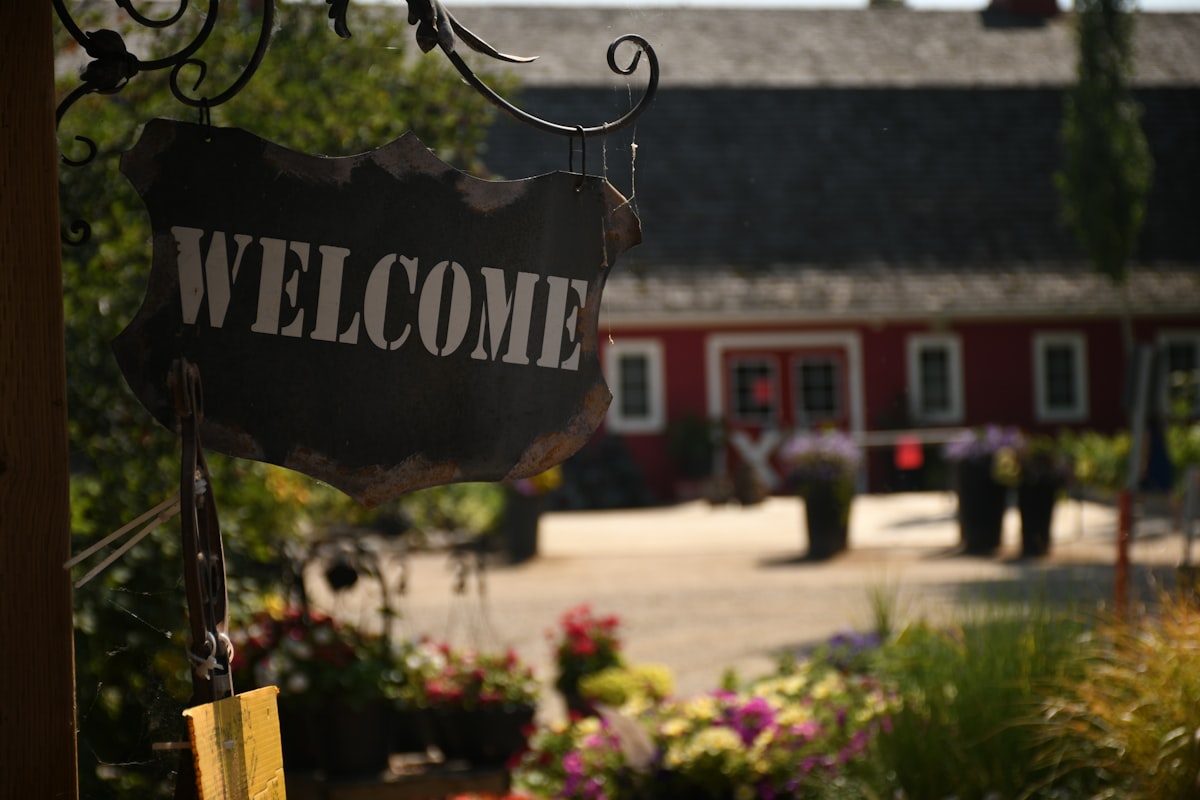
    Most conversion loss happens before guests taste a single wine. Friction points to eliminate: parking confusion (clear signage from road to designated visitor parking), entrance ambiguity (visible “Welcome” or “Entrance” signage), delayed greeting (staff acknowledges within 30 seconds), and physical burden (offer to take coat or bag immediately).

    Phase 2: Orientation (Minutes 3-5) — Anxiety Reduction

    Confusion about what happens next creates decision paralysis. Explain tasting options verbally rather than handing over an overwhelming menu. Confirm reservations or accommodate walk-ins. Proactively point out the restroom location. Set timeline expectations. Guests relax when they know what to expect and how long it takes.

    Phase 3: Tasting Experience (Minutes 6-45) — Core Value Delivery

    Read guest energy and match pacing accordingly. Encourage questions: “What questions do you have?” beats “Here are the tasting notes.” Weave winemaking philosophy naturally into conversation rather than scripted presentations. Notice what guests gravitate toward and personalize recommendations.

    Phase 4: Purchase Transition (Minutes 46-50) — Natural Close

    Summarize preferences authentically: “You especially enjoyed the Cabernet and the Syrah.” Present relevant options based on stated interests. Introduce subscription only if they have expressed interest in multiple wines. Give permission to say no: “Many guests like to think about it and order online later.” Permission reduces resistance to yes.

    Phase 5: Departure (Minutes 51-60) — Lasting Impression

    Process payment efficiently. Package wines professionally for transport. Explain next steps clearly. Walk guests to the door, make eye contact, and use their name. The quality of the farewell creates word-of-mouth or silence.

    The Results From Journey Mapping

    • Tasting-to-purchase conversion rose meaningfully from the same visitor volume.
    • “Felt rushed” complaints dropped sharply (pacing optimization).
    • “Confused about options” feedback dropped sharply (orientation clarity).
    • Average visit satisfaction (NPS) improved noticeably.
    • Membership retention year-over-year improved.
    • Annual revenue increased meaningfully from the same visitor volume.
    • Implementation cost: $0 (process redesign using existing resources).

    Implementation Process

    Week 1: Manager observes 10 guest experiences without intervening, documenting actual timing and noting friction points. Week 2: Address the top 5 friction points identified (typically parking signage, greeting speed, option clarity, pacing, and farewell personalization). Cost: $0-300. Week 3: Train staff on the optimized journey sequence and role-play transitions. Week 4: Track conversion rate change and adjust based on guest response.

    Have you mapped your tasting experience minute by minute to identify where friction is destroying conversions? Download our complete visitor journey mapping template.

    P.S. The journey phase with the highest conversion impact: Arrival (Minutes 0-2). A winery added “Tasting Room Parking” signage ($85), an entrance welcome sign ($120), and trained staff to greet within 30 seconds (no cost). Conversion rose from arrival optimization alone. First impressions in 90 seconds determine whether guests relax into the experience or remain anxious throughout. Anxiety does not convert.

  • The Winemaker Interruption That Guests Cannot Stop Talking About

    The Winemaker Interruption That Guests Cannot Stop Talking About

    An unscripted-feeling winemaker appearance during a tasting — even when planned — is the single highest-recall hospitality moment in winery visitor research, generating referral conversations at rates three to four times higher than any other tasting room element. The mechanism is surprise and authority: guests who meet the person who made the wine feel they have received privileged access, rather than a standard experience. This moment costs the winery 5–10 minutes of the winemaker’s time but yields social media posts, word-of-mouth referrals, and wine club sign-ups that would cost hundreds of dollars to generate through paid channels.

    A couple finishes their tasting. Excellent wines, professional service, pleasant conversation. They are about to purchase a case.

    The winemaker walks through, stops at their table: “I could not help overhearing you loved the Cabernet. Mind if I pour you a taste of our 2015 library reserve? It is my personal favorite vintage.”

    Five minutes later, they have upgraded to a subscription membership and are already planning their next visit. The winemaker did not “happen” to walk through. It was scheduled. The surprise was planned.

    That is the difference between hoping for memorable moments and systematically creating them.

    The Memorable Moment Framework

    Competent service is expected. Memorable moments create evangelists who cannot stop telling the story. High-performing Hospitality Virtuoso operations architect surprises systematically.

    1. The Surprise Element (Unexpected but Welcome)

    Moments must feel spontaneous, even when planned. Effective surprise elements: a winemaker “interruption” actually scheduled to stop by during peak tasting times; a library wine upgrade (“You enjoyed the 2021 Cab so much, let me grab the 2015 from our library”) costing $6 per pour; a handwritten thank-you note in the first shipment with a personal detail (3 minutes per note); and a barrel tasting invitation that creates an exclusive insider feeling.

    2. Timing Precision (When Impact Maximizes)

    The same moment at different times creates different outcomes. Wrong timing: during the introduction (too early, relationship not yet established) or during purchase (feels transactional). Right timing: during peak enjoyment (when the guest just said “This is incredible”) or at departure (creates a lasting final impression). Timing determines whether the moment feels genuine or manipulative.

    3. Authenticity Requirement (Not Scripted Theater)

    Guests detect performance immediately. Staff must be genuinely excited to offer the surprise. Winemakers share real narratives, not rehearsed pitches. Moments flow naturally from conversation. Personal details are included — the guest’s name, specific wine preference, earlier conversation points. Authenticity cannot be faked. Either the staff genuinely want to create the moment, or it backfires.

    4. Scalability Balance (Special Without Being Common)

    If every guest gets the “surprise,” it is no longer special. Frequency cap: 20-30% of visits receive a planned moment. Different surprises for different guest types. Staff empowered with a $15-30 per moment budget without approval. Track which guests received which moments in CRM to prevent the same surprise on a return visit.

    The Results From Memorable Moments

    • Referral rate rose sharply (guests share the winemaker-interruption story with friends).
    • Social media mentions rose sharply (moments are Instagram-worthy).
    • “Best tasting experience ever” reviews rose.
    • Return visit rate within 12 months rose substantially.
    • Lifetime value per guest increased (advocacy multiplier effect).
    • Annual revenue increased meaningfully.
    • Annual cost: $2,400.

    Implementation System

    Identify 5-7 different surprise elements your winery can offer (winemaker tastings, library wine pours, barrel room access, handwritten notes, vertical tastings). Set frequency guidelines: overall 20-30% of visits, VIP guests 60%, first-time visitors 15%, return visitors 40%. Train staff on when to offer which moments and how to deliver authentically. Track referral rate changes and social media mention increases after 90 days.

    Do you have a system for creating memorable moments, or do you hope they happen randomly? Read more about the memorable moments the Hospitality Virtuoso winery archetype specializes in.

    P.S. The memorable moment with the highest referral impact: scheduled “spontaneous” winemaker tastings during peak enjoyment. Cost: 15 minutes winemaker time plus a $6 library wine pour. Result: most guests who receive this moment mention it in reviews and tell friends. Completely planned by the winery. That is the art of systematic surprise.