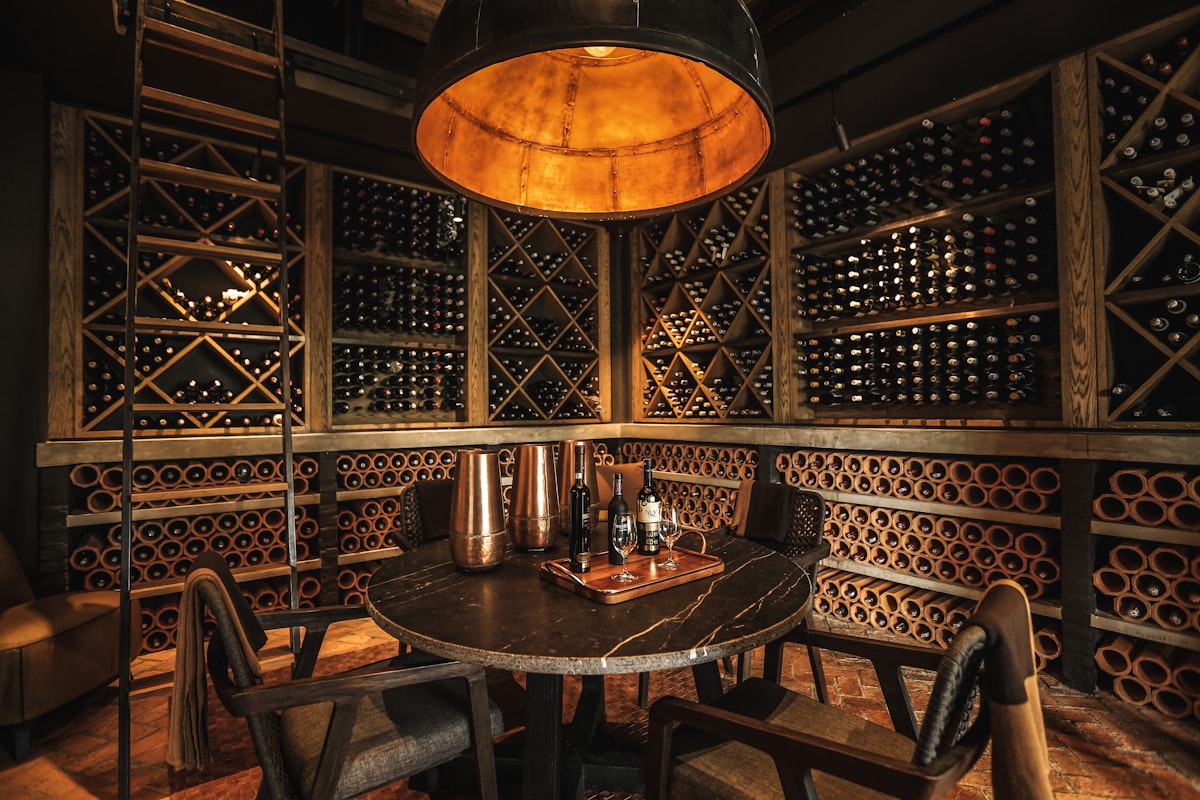
Sensory coherence — the deliberate alignment of ambient scent, background music tempo, and lighting warmth — measurably increases tasting room dwell time, perceived wine quality, and willingness to pay premium prices. Research in retail sensory environments shows that slow-tempo music, warm low lighting, and subtle barrel- or terroir-adjacent scents individually increase purchase values, but the combination creates a reinforcing effect. For boutique wineries, this means a $200–$500 investment in sensory design can justify price points 20–30% higher than competitors with identical wine quality.
A winery spent $180,000 on beautiful tasting room renovations: gorgeous stone counters, professional lighting, modern furniture. Three months later, conversion rates remained flat.
The problem was not the investment. It was the sensory incoherence nobody discussed during design. Harsh 5000K LED lighting made the space feel clinical. The playlist featured modern pop with distracting lyrics during tastings. The air conditioning was set to 66 degrees, leaving guests uncomfortable. Cheap glassware felt flimsy despite premium wine pricing. Every element worked against the premium positioning the wine quality deserved.
The Sensory Coherence Framework
High-performing Hospitality Virtuoso operations architect sensory experience systematically across four channels.
1. Scent Design (Olfactory Anchoring)
Your entrance sets the tone. Guests form impressions within 7 seconds of entry. Subtle oak or leather notes through essential oil diffusers ($89-240 investment) at the entrance. Clean, neutral air quality in the tasting area. Natural wood aromatics from actual barrels in the barrel room — guests detect artificial scents immediately. Monthly cost of essential oils: $35. Annual investment: approximately $600 after initial diffuser purchase.
2. Sound Design (Auditory Atmosphere)
Volume matters more than genre. Target 60-65 decibels of background music — guests hear it but easily talk over it. Jazz, classical, or acoustic instrumental matched to wine positioning. No lyrics during tastings; vocals compete for mental processing bandwidth with wine evaluation. Sound-dampening panels ($800-2,400) in echo-prone high-ceiling spaces. Implementation: curated Spotify playlists (free), basic sound system upgrade ($600-1,800) if needed.
3. Visual Design (Optical Framing)
Lighting temperature changes everything. Warm 2700-3000K color temperature creates an inviting atmosphere versus the clinical feel of 4000-5000K. Clear sightlines to vineyard, barrel room, or production areas build authenticity. Earth tones that complement wine. Spotless glassware, counter surfaces, and restrooms — non-negotiable. Replace cool LED bulbs with warm alternatives ($200-600).
4. Tactile Design (Haptic Experience)
Guests hold glassware for 30-90 minutes. Quality matters. Proper weight and balance ($12-18 for a quality Riedel or Zalto glass). Comfortable furniture with back support. Temperature of 68-72 degrees Fahrenheit year-round. Natural wood, stone, or leather surfaces over plastic or laminate.
The Results From Sensory Coherence
- Tasting-to-purchase conversion rose to a meaningfully higher level than the baseline.
- Average visit duration increased (guests lingering rather than rushing).
- “Loved the atmosphere” review mentions rose sharply.
- Return visit intention surveys improved.
- Annual revenue increased meaningfully.
- Implementation cost: $8,500.
Why This Works Psychologically
Sensory coherence creates subconscious trust. Misaligned elements trigger skepticism. When all four channels align, guests relax into the experience. Their subconscious registers: “This place takes quality seriously in every detail.” That trust transfers to wine evaluation and purchase decisions.
Implementation Priority
Start with the highest-impact, lowest-cost improvements. Week 1: lighting audit and bulb replacement ($200-600). Week 2: sound system and playlist curation ($0-1,800). Week 3: scent design implementation ($600 first-year cost). Week 4: glassware upgrade evaluation ($1,200-1,800 for 100 quality stems). Total first-month investment: $2,000-4,800 for dramatic sensory improvement.
How intentional is your current sensory design? Read and learn more about the four winery archetypes, specifically on the hospitality-driven archetype.
P.S. The sensory element with the highest immediate impact: lighting temperature replacement from cool 4000-5000K to warm 2700-3000K. Cost: $200-600 for bulb replacement. Guest feedback: “Did you renovate? It feels completely different.” Conversion impact: a meaningful lift from this single change.
