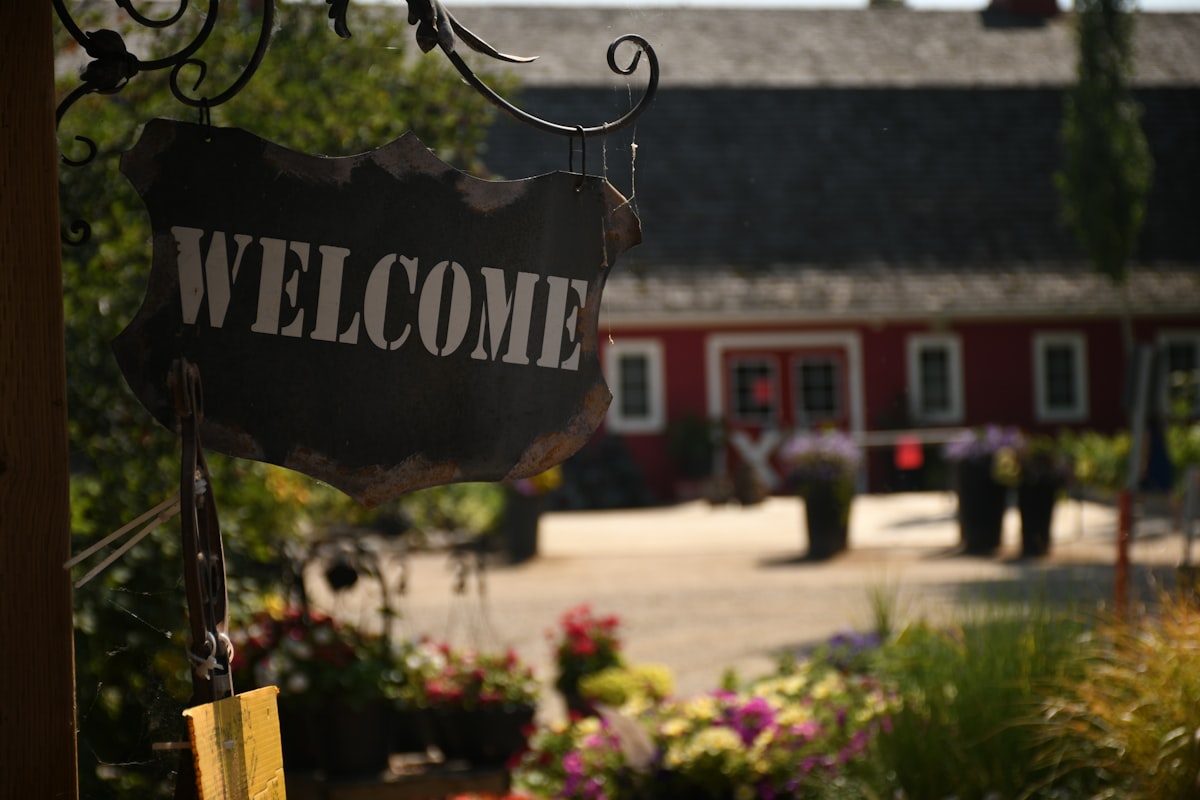
The first 90 seconds of a tasting room visit — greeting quality, visual first impression, and initial staff interaction — disproportionately determine whether a visitor will join a wine club, because humans make trust and affinity judgments within seconds of arrival. A mapped arrival sequence includes: immediate eye contact and verbal acknowledgment within 10 seconds, a brief orientation that frames the experience (not a recitation of rules), and a personalized opening question that signals individual attention. Wineries that script and train this sequence report measurably higher wine club conversion from the same visitor volume.
A guest drives 90 minutes to visit your tasting room. She is excited about trying your wines. She arrives and circles the parking lot twice, unsure where to park. Finds the entrance after walking past three unmarked doors. Stands at the host stand for 45 seconds before acknowledgment. Gets handed a confusing menu with 7 tasting options. Feels rushed through the experience. Leaves without purchasing.
The wines were exceptional. The conversion failed at arrival.
First impressions happen in 90 seconds. Journey mapping prevents these invisible friction points from destroying conversions.
The Five-Phase Journey Framework
Phase 1: Arrival (Minutes 0-2) — The Critical Window
Most conversion loss happens before guests taste a single wine. Friction points to eliminate: parking confusion (clear signage from road to designated visitor parking), entrance ambiguity (visible “Welcome” or “Entrance” signage), delayed greeting (staff acknowledges within 30 seconds), and physical burden (offer to take coat or bag immediately).
Phase 2: Orientation (Minutes 3-5) — Anxiety Reduction
Confusion about what happens next creates decision paralysis. Explain tasting options verbally rather than handing over an overwhelming menu. Confirm reservations or accommodate walk-ins. Proactively point out the restroom location. Set timeline expectations. Guests relax when they know what to expect and how long it takes.
Phase 3: Tasting Experience (Minutes 6-45) — Core Value Delivery
Read guest energy and match pacing accordingly. Encourage questions: “What questions do you have?” beats “Here are the tasting notes.” Weave winemaking philosophy naturally into conversation rather than scripted presentations. Notice what guests gravitate toward and personalize recommendations.
Phase 4: Purchase Transition (Minutes 46-50) — Natural Close
Summarize preferences authentically: “You especially enjoyed the Cabernet and the Syrah.” Present relevant options based on stated interests. Introduce subscription only if they have expressed interest in multiple wines. Give permission to say no: “Many guests like to think about it and order online later.” Permission reduces resistance to yes.
Phase 5: Departure (Minutes 51-60) — Lasting Impression
Process payment efficiently. Package wines professionally for transport. Explain next steps clearly. Walk guests to the door, make eye contact, and use their name. The quality of the farewell creates word-of-mouth or silence.
The Results From Journey Mapping
- Tasting-to-purchase conversion rose meaningfully from the same visitor volume.
- “Felt rushed” complaints dropped sharply (pacing optimization).
- “Confused about options” feedback dropped sharply (orientation clarity).
- Average visit satisfaction (NPS) improved noticeably.
- Membership retention year-over-year improved.
- Annual revenue increased meaningfully from the same visitor volume.
- Implementation cost: $0 (process redesign using existing resources).
Implementation Process
Week 1: Manager observes 10 guest experiences without intervening, documenting actual timing and noting friction points. Week 2: Address the top 5 friction points identified (typically parking signage, greeting speed, option clarity, pacing, and farewell personalization). Cost: $0-300. Week 3: Train staff on the optimized journey sequence and role-play transitions. Week 4: Track conversion rate change and adjust based on guest response.
Have you mapped your tasting experience minute by minute to identify where friction is destroying conversions? Download our complete visitor journey mapping template.
P.S. The journey phase with the highest conversion impact: Arrival (Minutes 0-2). A winery added “Tasting Room Parking” signage ($85), an entrance welcome sign ($120), and trained staff to greet within 30 seconds (no cost). Conversion rose from arrival optimization alone. First impressions in 90 seconds determine whether guests relax into the experience or remain anxious throughout. Anxiety does not convert.
